Quality Is Doing The Job Right, The First Time!

Quality Is Doing The Job Right, The First Time!
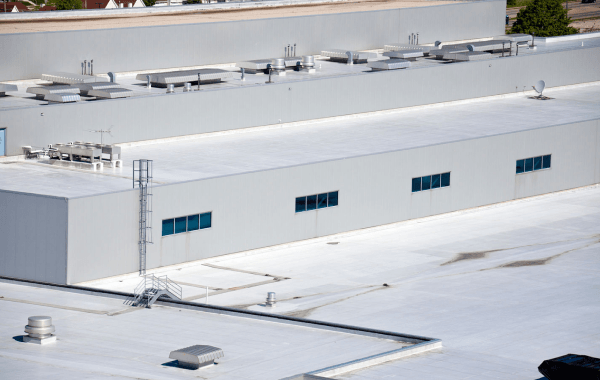
Alpharetta’s weather puts commercial roofs through a real workout every year. Between summer heat that pushes temperatures into the upper 80s and near 90s, frequent warm-season rainfall, and cooler winters that can bring brief cold snaps, roofing materials expand, contract, and wear down faster than most building owners expect. On flat and low-slope roofs, which are common across the office parks, retail centers, and mixed-use developments throughout the area, that repeated stress tends to show up at seams, around rooftop HVAC units, and near drains and scuppers. When those spots are left unchecked, water finds its way in, and what starts as a small problem can quietly spread into insulation and roof decking before anyone inside notices.
A complete commercial roof inspection gives you a clear picture of where your roof stands before small issues turn into expensive repairs. Paramount Roofing & Consulting works with building owners and property managers across Alpharetta to inspect roofing systems, document conditions, and identify problem areas while they’re still manageable. Whether your property sits along the GA-400 corridor or within one of North Fulton’s established business districts, a thorough inspection looks at the full roof surface, drainage points, gaps, flashing, and any areas where wear or biological growth may be developing. That kind of detailed look is what keeps your facility protected and your tenants undisturbed.
A commercial roof inspection should give property owners and managers useful information without disrupting normal operations more than necessary. Paramount Roofing & Consulting coordinates access, examines the roof in detail, records the conditions found, and explains which issues require attention.
A complete commercial roof inspection covers far more than a quick visual scan. Alpharetta’s frequent rainfall, summer heat, and seasonal temperature changes create specific wear patterns that show up in predictable places across flat and low-slope roofing systems. Knowing what those areas are helps you understand why a thorough inspection matters.
| Inspection Area | What We Look For | Why It Matters in Alpharetta |
|---|---|---|
| Field Seams and Membrane Surface | Separation, bubbling, surface wear, biological growth | Heat and humidity accelerate membrane deterioration and algae buildup |
| Flashing and Termination Points | Lifted edges, cracked sealant, gaps at termination bars | Temperature changes cause repeated movement that fatigues flashing over time |
| Drains, Scuppers, and Gutters | Blockages, ponding areas, slow drainage | Warm-season downpours can overwhelm partially blocked drainage on larger roofs |
| Rooftop HVAC Curbs and Gaps | Sealant failure, curb flashing wear, foot traffic damage | Mechanical equipment creates recurring leak points with regular maintenance access |
| Metal Roof Details | Fastener condition, lap structural integrity, expansion point wear | Thermal movement stresses metal connections through repeated seasonal cycling |
Each of these areas gets close attention during the inspection because that is where problems tend to start. Catching wear early at these spots keeps small issues from spreading into insulation, roof decking, or tenant spaces below.
Not all commercial roofs are built the same, and how we interpret what we find depends on the roofing system in place, whether that’s TPO, EPDM, PVC, modified bitumen, or metal. We factor in the age and type of your roof so the inspection results are specific to your system, not a one-size-fits-all checklist.
Alpharetta’s heat and humidity create ideal conditions for algae and biological growth to develop on roof membranes and coatings, especially where moisture sits after storms. We check for surface-level deterioration that can shorten roof life if left to spread across the membrane.
Even mild winters can leave behind brittle sealant, split flashing, and lifted material edges when temperatures briefly drop into the 30s. Identifying that carry-over damage before spring rain arrives keeps early-stage wear from becoming a larger problem once heavier wet-season downpours begin.
The inspection produces a written record of your roof’s condition that you can keep on file for property management purposes, tenant turnover documentation, or permit-related work. Having a dated, documented baseline is especially useful for commercial properties that go through improvements or changes in occupancy over time.
Alpharetta’s combination of heavy warm-season rain, persistent heat and humidity, and occasional winter cold snaps gives commercial roofing systems very little downtime between stressors. For flat and low-slope roofs across office parks, retail centers, and mixed-use properties in the area, that kind of year-round exposure adds up gradually, and the wear often goes unnoticed until it reaches insulation or interior spaces. A routine inspection keeps you ahead of that process, extends the life of your roofing system, and reduces the long-term costs that come with deferred maintenance. Spring and fall are both practical times to schedule, but an inspection is useful any time you want a clear, current picture of your roof’s condition.
Paramount Roofing & Consulting is ready to help you get that picture. If you manage a commercial property in Alpharetta and want an honest, complete inspection from a team that knows local roofing systems, reach out when you’re ready, and we’ll get something scheduled that works for your facility.
Got questions about your roof? We’ve got answers. From maintenance tips to insurance claims and repair timelines, our FAQ section covers the most common concerns homeowners have. Get informed and make confident decisions about protecting your home.
Alpharetta sees rain spread fairly evenly through the year, but the warmer months tend to bring heavier downpours that put real pressure on drainage systems and seams. That pattern makes it useful to inspect at least once a year, with many property managers opting for twice a year to catch anything that developed during the wet season before the next one arrives. Flat and low-slope roofs in particular benefit from this cadence because water has nowhere to run if drainage is even partially blocked.
Yes, and this is something many building owners overlook. A dated, written inspection report creates a documented baseline that can support permit applications, tenant improvement projects, and due diligence reviews if the property changes hands or undergoes renovation. In Fulton County, commercial properties that go through occupancy changes or pull building permits often benefit from having current roof condition records already on file.
On the flat and low-slope roofs common to Alpharetta office parks and retail centers, the areas that fail first are almost always the same: drain openings, flashing around HVAC curbs, and field seams near ponding zones. The combination of heat-driven expansion, heavy rain, and high humidity accelerates wear at those spots faster than on the open membrane surface. Catching deterioration at those specific points early is what keeps a manageable repair from growing into a much larger project.


Our clients’ satisfaction speaks for itself! Read about their experiences with our quality service.
Don't wait to protect your home! Our team is ready to assist with all your roofing needs, so contact us now for expert service and peace of mind.
Our roofing experts are here for your help.

 (404) 971-2880