(404) 971-2880
Essential Winter Roof Care Tips Every Georgia Homeowner Should Know
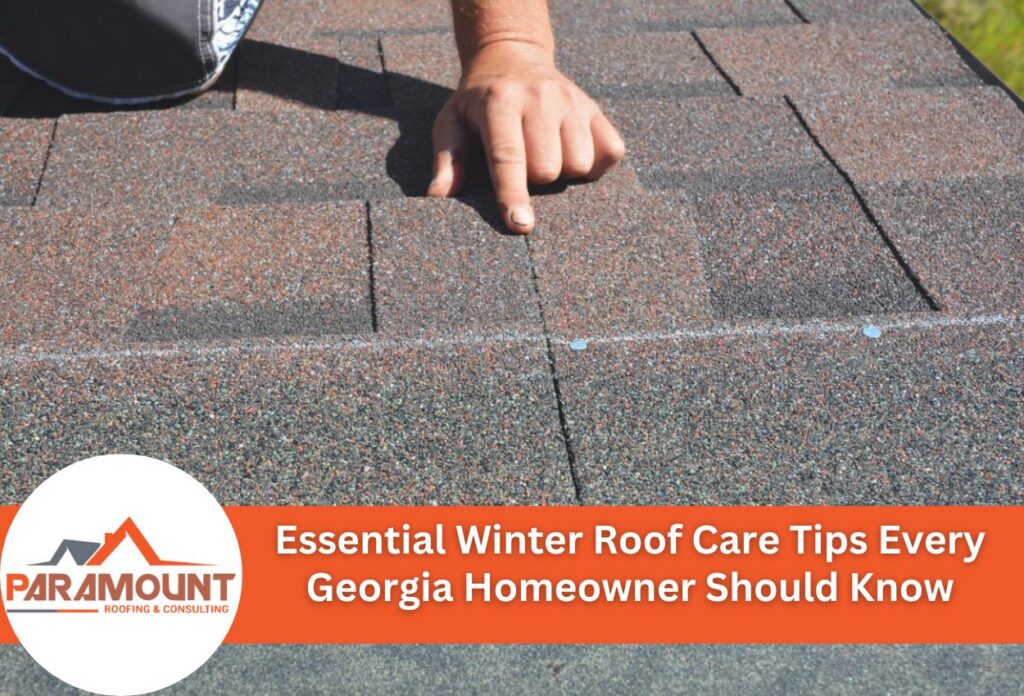

Winter in Georgia can stress residential roofs in ways that many homeowners overlook. While the state doesn’t experience the harsh snow common in northern regions, Georgia winters bring their own set of roof threats, including sudden temperature drops, ice, and unpredictable storms that can cause significant damage. Planning winter roof maintenance in Georgia requires understanding these regional weather patterns and their impact on roofing materials.
Temperature fluctuations between freezing and mild conditions create expansion and contraction cycles that stress shingles, flashing, and gutters. Ice can form along roof edges during brief cold snaps, while winter storms often bring high winds and flying debris that compromise roof integrity.
Roof damage can be difficult to detect until major problems arise. Preventive winter roofing tips focus on spotting vulnerable areas before cooler weather arrives and addressing these problems proactively.
Regular roof inspections in winter help homeowners spot warning signs early. Effective roof protection involves both preparation and ongoing maintenance throughout the colder months. Understanding which maintenance tasks matter most ensures roofs remain in good condition despite Georgia’s sometimes unpredictable winter weather.
Understanding How Georgia’s Winter Weather Affects Your Roof
Georgia’s winter weather creates challenges for roofing systems that differ significantly from northern climates. Temperature fluctuations between warm afternoons and freezing nights cause roofing materials to repeatedly expand and contract, weakening shingles, flashing, and sealants over time. These thermal cycles stress metal components and create micro-cracks in asphalt shingles that eventually lead to leaks.
Occasional ice formation along gutters and roof edges also poses risks during Georgia’s brief cold snaps. Winter storms bring additional threats through high winds, falling branches, and debris that can puncture or dislodge roofing materials.
Certain areas of roofing systems are especially vulnerable during cold weather. Valleys where roof planes meet collect debris and ice, while flashing generally experiences the greatest thermal stress. Gutters become problematic when ice and other organic material prevent proper drainage and force water back onto the roof.
All roofing materials respond differently to cold weather. Asphalt shingles become brittle and crack more easily, while metal roofs expand and contract significantly. Clay and concrete tiles can crack from freeze-thaw cycles, and flat roof membranes may split along seams. Understanding these material-specific vulnerabilities helps homeowners focus their winter roofing maintenance efforts effectively.
What to Look for During a Pre-Winter Roof Inspection
Conducting a thorough roof inspection before winter arrives helps homeowners identify potential problems early. Visual examinations from ground level can reveal obvious damage like missing shingles, sagging gutters, or debris accumulation in valleys. Homeowners should look for cracked or curled shingles, exposed nail heads, and damaged flashing around chimneys, vents, and roof pipes.
Warning signs requiring immediate attention include granule loss on asphalt shingles, rust spots on metal components, and gaps in caulking or sealants. Dark streaks or stains on exterior walls often indicate water infiltration from compromised roofing materials. Plus, gutters showing separation from fascia boards or containing excessive debris signal drainage problems that will likely worsen during winter weather.
Professional inspections become necessary when homeowners spot potential issues beyond their expertise or comfort level. Roofing contractors can examine steep-slope areas, walk roof surfaces safely, and assess structural integrity that visual ground inspections cannot evaluate. Professional winter roofing tips include evaluating the underlayment, decking stability, and ventilation system.
Comprehensive winter readiness evaluations by qualified contractors also examine flashing integrity, sealant condition, and gutter attachment. Professional assessments identify subtle problems like loose fasteners or minor membrane damage that could escalate during sudden weather shifts. Scheduling these inspections during the fall allows adequate time for necessary repairs Georgia’s unpredictable winter season begins.
Safe DIY Maintenance Tasks for Winter Roof Care
Several winter roof maintenance tasks can be safely performed by homeowners without climbing onto the roof. Ground-level gutter cleaning is one of the most important DIY activities, removing leaves, branches, and debris that block drainage. Using extension ladders properly positioned against gutters allows homeowners to clear blockages while maintaining three points of contact for safety.
Along with gutters, debris removal around roof perimeters eliminates materials that retain moisture and promote ice formation. Homeowners can safely remove fallen branches, accumulated leaves, and other organic matter from the roof edge and valleys using extension tools.
Essential tools for safe DIY winter roofing maintenance include sturdy extension ladders rated for user weight plus equipment, telescoping gutter cleaning tools, and debris removal attachments. Safety equipment must include non-slip shoes, work gloves, and eye protection. Basic tools like flashlights help examine dark areas under eaves and overhangs where problems often develop.
DIY maintenance limitations require an honest assessment of personal capabilities and safety comfort levels. Homeowners should never attempt repairs involving roof surface access, electrical components near roofing systems, or structural modifications. Professional contractors handle complex roof inspections, steep-slope work, and repairs. Understanding these boundaries ensures effective winter storm roof protection while maintaining personal safety during roof maintenance activities.
Protecting Your Roof from Winter Storm Damage
Preparation significantly reduces the risk of winter roof damage by taking care of vulnerabilities before severe weather arrives. Securing loose roofing materials prevents wind uplift that can tear away shingles or metal panels during storms. Homeowners should examine roof edges, ridge caps, and flashing connections for signs of loosening or deterioration that compromise storm resistance.
Tree management around residential properties eliminates major sources of storm damage. Overhanging branches should be trimmed back at least 6 feet from the roof surfaces to prevent contact during high winds. Dead or weakened limbs pose particular threats during winter storms when strong winds increase the risk of breakage. Professional arborists can safely remove hazardous trees or limbs that threaten roof integrity.
Reinforcing vulnerable roof components involves securing loose gutters, replacing damaged shingles, and ensuring flashing is attached around chimneys and vents. Temporary reinforcement measures include installing additional fasteners in high-wind areas and applying emergency sealants to minor gaps or cracks that could worsen during storms.
Emergency preparation strategies include covering exposed materials with tarps when severe weather threatens, securing outdoor furniture and debris that could become projectiles, and checking that gutters remain clear. If temporary protection is needed, homeowners can install barriers and should have emergency repair materials readily available. These winter storm roof protection measures help minimize damage when severe weather cannot be avoided, preserving the roof system’s integrity until permanent repairs can be completed safely.
Why Calling Professional Roofing Contractors is Important
Certain roof problems clearly indicate the need for professional intervention rather than DIY approaches. Structural damage, including sagging roof sections, cracked rafters, or damaged decking, requires immediate contractor attention for safety reasons. Multiple leaks, extensive shingle damage, or compromised flashing systems also exceed typical homeowner repair capabilities and need professional expertise to address properly.
Safety concerns make professional service essential for many winter roof maintenance scenarios. Steep roof slopes, icy conditions, or heights exceeding comfortable ladder reach create dangerous situations for untrained individuals. Complex repairs involving electrical components, HVAC units, or structural modifications require specialized knowledge and proper insurance coverage that professional contractors provide.
Professional winter roof services typically begin with comprehensive safety assessments and detailed damage evaluations. Qualified contractors examine roof structures systematically, identify underlying problems that may not be visible from ground level, and provide prioritized repair recommendations. A professional roof inspection in winter also includes moisture detection, structural integrity testing, and ventilation system evaluation.
Selecting qualified roofing contractors involves verifying their licensing, insurance coverage, and local references from recent projects. Reputable contractors provide detailed written estimates, explain repair procedures clearly, and offer warranties on completed work. Professional services become even more valuable during emergencies when damage threatens interior spaces or the home’s structural integrity. Contractors also ensure repairs meet building codes and manufacturer specifications, ensuring protection for years to come.
Long-Term Winter Roof Protection Strategies
Developing comprehensive maintenance routines ensures roofs withstand Georgia’s seasonal weather year after year through consistent care and attention. Effective seasonal maintenance begins in early fall with thorough inspections and necessary repairs before cold weather arrives. Spring assessments evaluate winter damage and address any issues that developed during cold months, while summer maintenance focuses on preparing systems for the upcoming winter.
Annual maintenance schedules should include biannual gutter cleaning, regular shingle inspections, and an evaluation of flashing and sealants. Fall preparation involves clearing debris, checking drainage systems, and securing loose materials before winter storms arrive. Spring follow-up examines potential cold-weather roof damage and addresses problems before they worsen during the warmer months.
Along with regular maintenance, strategic improvements provide lasting benefits that enhance winter storm roof protection capabilities over time. Upgrading to impact-resistant shingles reduces damage from falling debris and hail, while enhanced ventilation systems reduce moisture problems that compromise roof structures during temperature fluctuations common in Georgia winters.
Another smart upgrade is quality gutter systems with proper drainage capacity that handle increased water volumes from winter storms more effectively. Professional-grade flashing and sealant upgrades provide superior weather resistance compared to standard materials. These improvements are wise investments that reduce future maintenance requirements while improving overall roof performance. Consistent maintenance protects residential properties effectively, ensuring roof systems remain functional and secure through multiple winter seasons while minimizing unexpected repair costs and emergency situations.
Choose Paramount Roofing & Consulting for Your Pre-Winter Roof Maintenance
As the colder months approach in Georgia, it’s crucial to prepare your roof for the challenges ahead. At Paramount Roofing & Consulting, we understand how Georgia’s winter weather affects roofing structures. Temperature fluctuations and winter storms can severely impact your roof’s integrity. To avoid expensive damage and ensure your safety, it’s essential to contact professional roofing contractors who can provide thorough inspections and maintenance.
If you notice signs of wear or damage, don’t hesitate to contact us. Call Paramount Roofing & Consulting today at (404) 971-2880 to schedule your winter roof maintenance and ensure your home is protected throughout the season.