(404) 971-2880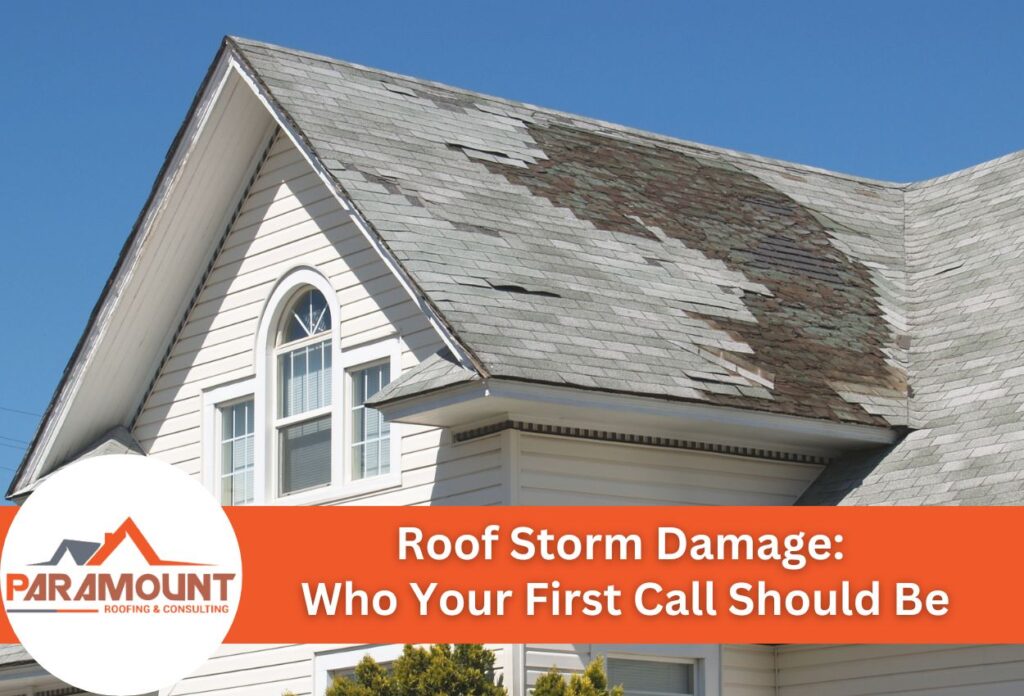

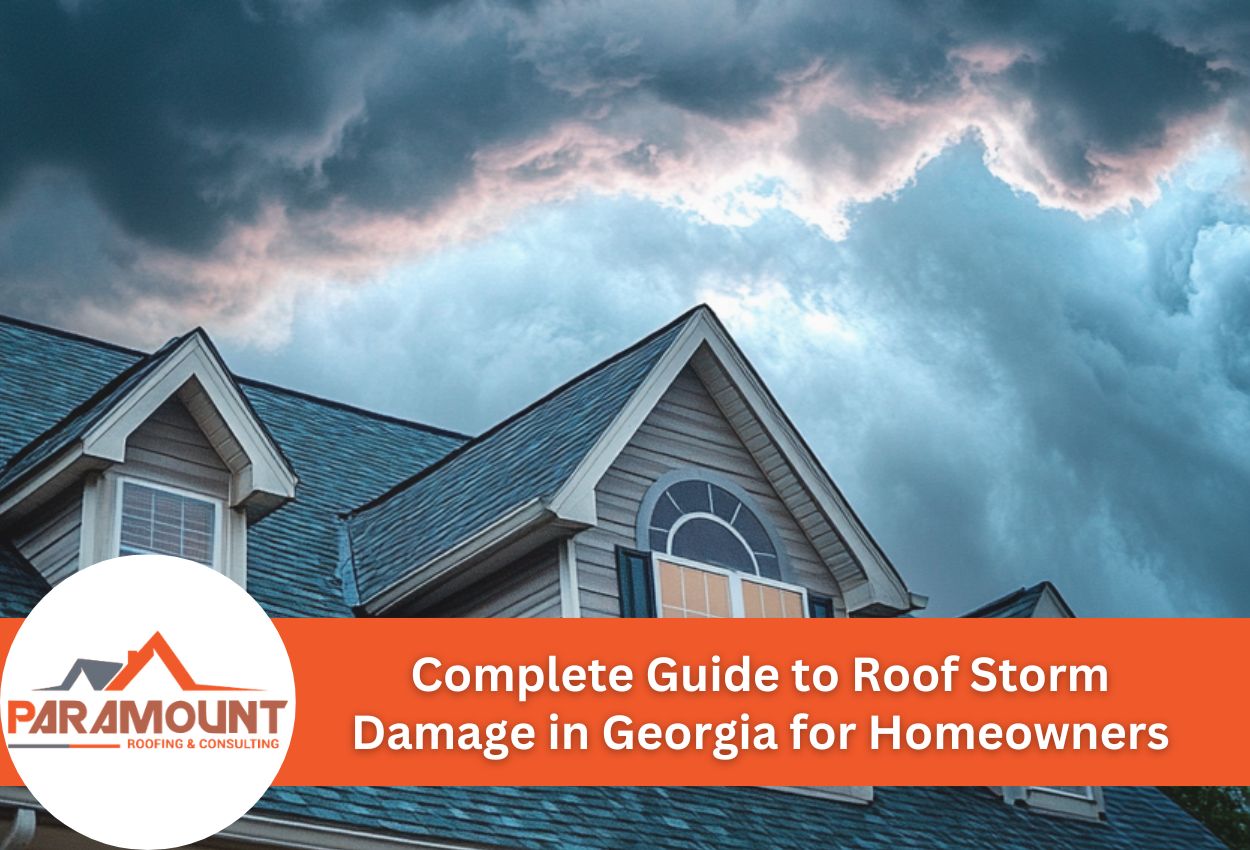
Storm damage to roofs creates urgent situations that need quick decisions. Homeowners often face confusion about whether to call a roofer or insurance first after storm damage strikes their property. Making the wrong choice can delay repairs, reduce insurance coverage, or lead to additional damage from exposure to the elements.
Heavy winds, hail, and debris can cause various types of roof damage that require professional assessment to identify fully. However, the repair process involves multiple steps that must happen in the correct order. Understanding what steps need to be taken and when protects homeowners from expensive mistakes.
Filing roof insurance claims requires documentation and evidence that insurance adjusters need to approve coverage. However, emergency roof repair services may be necessary immediately to prevent water damage or structural issues. This creates a timing challenge that many property owners struggle to navigate.
The decision between contacting insurance companies or roofing contractors first affects the entire repair timeline. Each approach offers distinct advantages depending on the severity of the damage and the immediate safety concerns. A professional roof inspection after a storm can reveal problems that untrained eyes might miss, making this part of the process essential to getting an accurate damage assessment.
Working with insurance adjusters for roof damage becomes more effective when homeowners understand the proper sequence of contacts and documentation requirements.
Why Calling Your Insurance Company First Is Usually the Smart Move
Contacting your insurance carrier immediately after discovering storm damage is the first step to a successful claim. This initial call starts the storm damage roof repair process on the right foot by establishing a claim number and getting your case into the system while the damage remains fresh and well-documented. Insurance companies appreciate quick notification and often view delayed reporting as a red flag that could complicate your claim.
Filing roof insurance claims becomes significantly easier when you contact your insurer before hiring contractors. Your insurance company will schedule an adjuster to assess the damage and provide you with important information about your policy coverage limits, deductibles, and approved repair procedures. This knowledge is valuable for homeowners when discussing repairs with roofing contractors and prevents expensive misunderstandings about what your policy covers.
Early insurance contact prevents potential coverage issues that commonly arise from delays in reporting. Many policies require a quick notification of damage, and waiting too long can result in claim denials or reduced payouts. Additionally, your insurance company can advise you about emergency roof repair services if immediate protection is needed to prevent further damage.
Working with insurance adjusters for roof damage becomes more streamlined when you establish contact early. The adjuster can guide you through the proper documentation process and explain what evidence they need for a claim approval, setting clear expectations for the entire repair timeline.
When You Should Contact a Roofer Before Insurance
Emergencies override the standard protocol of contacting insurance first. When storm damage creates immediate safety hazards or threatens additional property damage, calling a roofing professional becomes the priority. Visible structural damage, large holes in the roof, or debris require instant attention to protect occupants and prevent leaks that could damage interior belongings and building materials.
Severe damage that compromises the structural integrity of the roof cannot wait for insurance approval. Emergency roof repair services become essential when storms remove significant portions of shingles, damage support beams, or create openings that expose the home’s interior to the elements. These situations need immediate temporary repairs to minimize ongoing damage while the claim process unfolds.
Safety concerns should always take precedence over insurance procedures. Dangling gutters, loose shingles threatening to fall, or compromised roof sections that could collapse require professional intervention regardless of insurance protocols. Roofing contractors can perform emergency stabilization and temporary repairs that protect both the property and its occupants from further harm.
The repair process includes emergency damage reduction services that insurance companies actually expect homeowners to pursue when necessary. Most policies include provisions for reasonable emergency repairs to prevent additional damage. Professional roofers can document these emergency measures properly, ensuring that filing roof insurance claims remains viable even when immediate repairs occur before adjuster inspection.
Once emergency repairs are scheduled, the next step should be to call your insurance provider and fill them in on the steps you’ve taken already. Be sure to have all the information that the roofing company provided on hand, and be prepared to send over documentation to the insurance company. Being proactive goes a long way in supporting your claim, and having all necessary information ready to go shows a willingness to comply with the insurance company’s expected emergency procedure.
How Professional Roof Inspections Support Your Insurance Claim
Professional roof inspections provide a damage assessment that insurance companies require for an accurate claims process. Qualified roofers have the necessary training and experience to identify all kinds of storm-related damage that untrained eyes would typically overlook during an evaluation. These professionals understand how different weather conditions affect various roofing materials and can spot subtle signs of damage that may not become apparent until weeks or months after the storm passes.
The process is benefited by professional documentation that meets insurance industry standards. Experienced roofers know exactly what evidence adjusters need to see when filing roof insurance claims, including detailed photographs, measurement data, and written assessments that clearly link damage to specific weather. This thorough documentation prevents claim delays and disputes that commonly arise from incomplete damage reports.
A professional roof inspection after a storm can reveal hidden problems that could compromise your insurance coverage if left undocumented. Experienced contractors can identify granule loss on shingles, seal damage around flashing, compromised underlayment, and structural issues that may not produce immediate leaks but will cause problems over time. Insurance adjusters rely on this comprehensive assessment to determine appropriate coverage amounts.
Working with insurance adjusters for roof damage becomes more productive when professional inspections provide objective, detailed reports. Qualified roofers speak the same technical language as insurance professionals and can communicate damage severity effectively, ensuring that emergency roof repair services and long-term restoration needs receive proper consideration in the final settlement.
Working Effectively with Insurance Adjusters During the Claims Process
Insurance adjusters conduct thorough evaluations to determine the extent of storm damage and calculate appropriate coverage amounts. Understanding their assessment process helps property owners prepare effectively for these critical inspections. Adjusters examine multiple factors, including the age of roofing materials, pre-existing wear patterns, and specific damage attributable to recent weather. They differentiate between storm-related damage and normal deterioration to ensure claims remain within policy guidelines.
Preparation for adjuster visits significantly impacts the success of filing roof insurance claims. Property owners should document all visible damage with photographs, remove debris that might obstruct the inspection, and compile relevant maintenance records that demonstrate proper roof care. Having this information readily available demonstrates professionalism and helps adjusters complete their assessment efficiently without overlooking important damage.
Coordinating between your chosen roofing contractor and insurance adjuster creates the most effective approach to the storm damage roof repair process. Professional roofers can provide technical expertise during adjuster inspections, pointing out subtle damage that might otherwise go unnoticed. This collaboration ensures that working with insurance adjusters for roof damage produces in-depth evaluations rather than rushed assessments that miss important repair needs.
Communication between all parties prevents misunderstandings about the size of the repair and limitations in the coverage. When contractors and adjusters work together during roof inspection after a storm, property owners receive more accurate damage assessments and realistic repair timelines that account for both insurance requirements and emergency roof repair services when necessary.
Choosing the Right Roofing Contractor for Insurance Work
Selecting a roofing contractor experienced in insurance work makes the difference between smooth repairs and complicated claim disputes. Contractors who understand insurance procedures know exactly what documentation adjusters require and how to present repair estimates in formats that insurance companies readily accept. These professionals navigate the roof repair process efficiently because they understand both technical repair requirements and insurance industry standards that govern coverage decisions.
Experienced contractors streamline the process of filing insurance claims by providing detailed estimates that align with the insurance company’s expectations. They know which repair methods adjusters prefer, understand industry pricing standards, and can communicate effectively with insurance professionals throughout the process. This expertise prevents delays that commonly occur when contractors unfamiliar with insurance work submit inadequate documentation or propose repair methods that don’t meet coverage guidelines.
Verifying contractor credentials protects homeowners from potential problems during repairs and warranty periods. Licensed professionals have the appropriate insurance coverage, understand local building codes, and maintain relationships with insurance companies that facilitate smooth claim processing. Checking references from recent insurance jobs reveals how well contractors handle the unique challenges of working with insurance adjusters for roof damage and managing customer expectations during the claims process.
Reputable contractors experienced in emergency roof repair services understand the urgency of storm damage while maintaining quality standards that satisfy insurance requirements. They balance the need for a quick response with thorough roof inspections after a storm, ensuring that all damage receives proper attention and documentation for a successful claim resolution.
Managing Emergency Repairs While Waiting for Insurance Approval
Emergency repairs often become necessary before insurance adjusters complete their assessment, creating a delicate balance between protecting your property and maintaining coverage eligibility. Understanding which immediate actions you can take without jeopardizing your claim helps prevent additional damage during the waiting period. Most insurance policies include provisions for reasonable emergency repairs when they prevent further property damage, but these temporary measures must be properly documented and executed.
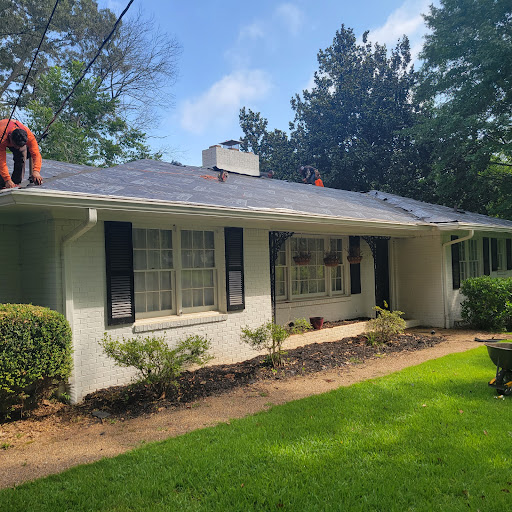
Temporary protective measures should focus on stopping leaks and securing loose materials without permanently altering the damaged roof. Covering exposed areas with tarps, removing debris that could cause additional damage, and temporarily securing loose shingles are typically acceptable emergency actions. These measures help maintain your insurance coverage while preventing leaks in interior spaces that could significantly increase the cost of a repair and the complexity of the claim.
Emergency roof repair services must be clearly distinguished from permanent repairs when working with insurance companies. Temporary work that prevents immediate danger or additional damage receives different treatment from comprehensive repairs that restore the roof to its original condition.
Documenting all emergency actions becomes important for filing roof insurance claims successfully. Photographing damage before and after temporary repairs, saving receipts for emergency materials, and maintaining records of contractor communications help insurance adjusters understand the necessity of immediate protective measures and ensure these costs receive proper consideration in final claim settlements.
Choose Paramount Roofing & Consulting for Your Storm Damage Roof Repairs
If you’re facing storm damage to your roof, deciding whether to call a roofer or your insurance first can be an important step. In cases where immediate action is needed to secure your home and prevent further damage, contacting a professional roofing service like Paramount Roofing & Consulting should be your first step. We provide emergency roof repair services that not only secure your property but also support your insurance claim process.
At Paramount Roofing & Consulting, we specialize in assessing storm damage accurately and swiftly. Our expert team will document all necessary repairs, which is essential when you file your insurance claim. Understanding the extent of damage thoroughly ensures that your insurance coverage meets all the required repairs, avoiding potential disputes and accelerating the claims process.
Don’t wait for insurance approval while your home risks further damage. Call us now at (404) 971-2880 to schedule an immediate inspection and secure your roof with the professionals at Paramount Roofing & Consulting. Protect your home and ensure your peace of mind by choosing the right experts for your roofing needs.