Quality Is Doing The Job Right, The First Time!

Quality Is Doing The Job Right, The First Time!
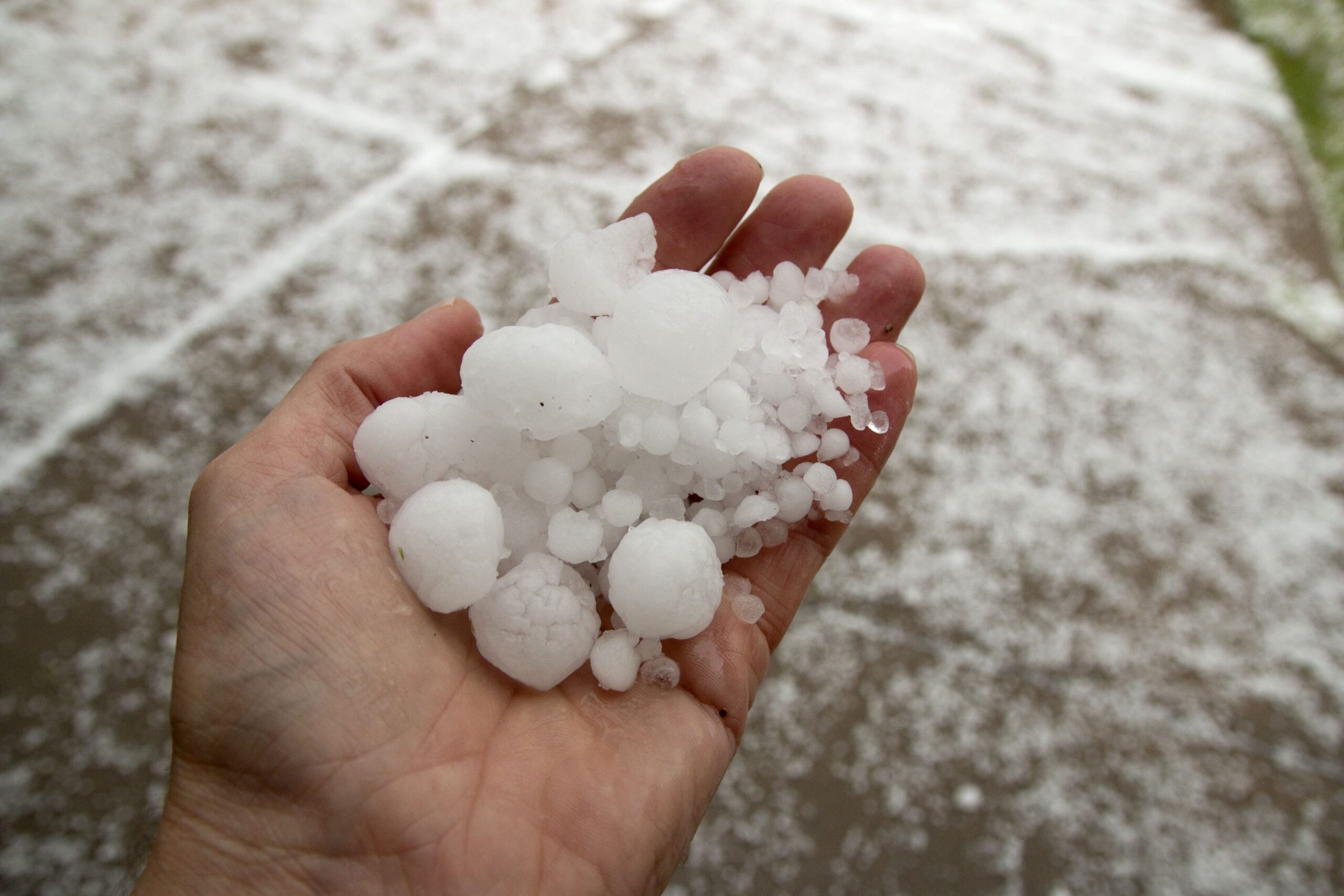
Villa Rica sits in a part of Georgia where spring and summer thunderstorms roll through with real force. Hail, high winds, and heavy rain can arrive fast and leave behind damage that is not always obvious from the ground. The area sees dozens of thunderstorm days each year between late spring and early fall, and even penny-sized hail traveling on 60 mph wind gusts can bruise and puncture roofing materials without leaving a mark you can spot from your yard. The problem is that damage you cannot see does not stay hidden forever. Once hail compromises the protective layer of your roof, Georgia's heat and humidity work against you, pushing moisture deeper into the structure with every rain that follows.
That is exactly why hail damage roof repair in Villa Rica, GA requires more than a quick visual check after a storm. Shingles can look intact from the street while the underlying layers have already been weakened. Over time, small punctures and impact points become leaks, and leaks become expensive repairs that go well beyond the roof itself. Taller trees common throughout the area add another layer of risk, since debris impact during a storm can add to what the hail alone has already done.
Paramount Roofing & Consulting works with Villa Rica homeowners who need straight answers about the condition of their roof after a storm. The focus is on finding what is actually damaged, explaining your options clearly, and getting your home protected before the next round of weather moves through.
Hail damage can leave your roof with issues that are difficult to identify without a detailed evaluation. Our repair process focuses on finding the affected areas, explaining the necessary work, and restoring the damaged portions of your roof correctly.
Hail damage is deceptive. A storm can pass through Villa Rica and leave your roof looking perfectly fine from the street while the shingles above have taken a beating that will cause real problems within months. Understanding what hail actually does to different roofing materials helps you make smarter decisions after any storm.
| Roof Material | How Hail Affects It | What to Watch For |
|---|---|---|
| Asphalt Shingles | Impact knocks away protective granules and bruises the mat beneath, weakening the surface without cracking it visibly | Bare spots, granules collecting in gutters, soft impact points |
| Metal Roofing System | More resistant to hail overall, though large hail can dent panels or damage seams | Visible dents, compromised seam edges, displaced fasteners |
| Ridge Caps and Flashing | Exposed positioning makes them especially vulnerable to direct impact and uplift from wind during a storm | Lifted edges, gaps, cracked or shifted materials at joints |
| Underlayment | Repeated hail impact can compromise the protective layer beneath shingles even when surface materials appear intact | Interior ceiling stains, soft roof decking, moisture detected during inspection |
Georgia's heat accelerates problems once hail creates even a small opening. Thermal expansion and contraction cycles through summer and into fall cause tiny punctures to widen gradually, so damage that seems minor after a storm can become a serious leak by the time cooler weather arrives. Scheduling an inspection quickly after any hailstorm gives you the clearest picture of what your roof actually needs.
When hail strips granules from asphalt shingles, the exposed mat underneath degrades faster under Georgia's intense summer sun and humidity. Replacing affected shingles restores that protective layer before UV exposure and heat break down the underlying material and invite moisture into your home.
Hail and high winds frequently shift or crack the flashing around chimneys, vents, and roof edges, creating gaps that let water in even when shingles above look fine. Correcting flashing during a hail repair is one of the most important steps for keeping your roof watertight through Villa Rica's active storm season.
Hail impact can punch through or weaken the protective underlayment even when the shingles above are still in place, leaving your roof deck vulnerable to leaks that won't show up until they've already done damage inside your home. Addressing underlayment issues as part of the repair, rather than treating them as a separate job, closes that hidden vulnerability completely.
Ridge caps sit at the highest and most exposed point of your roof, making them a frequent target for direct hail strikes and wind uplift during Villa Rica's stronger thunderstorms. Replacing cracked or lifted ridge caps restores an important seal at your roof's peak and prevents water from working its way down into the structure below.
Villa Rica's warm, humid climate does not give a compromised roof much time to recover on its own. Once hail creates an opening, heat and moisture move in quickly, and what starts as minor surface damage can quietly work its way deeper into your home's structure before you notice anything wrong inside. Catching and repairing that damage while the scale is still manageable protects your investment and keeps a straightforward repair from turning into something far more involved down the road. Scheduling an inspection before the next active stretch of spring weather is one of the most practical steps you can take as a homeowner.
Paramount Roofing & Consulting is here to help Villa Rica homeowners get a clear, honest picture of their roof's condition and move forward with repairs that are done correctly the first time. If you have questions about what a recent storm may have left behind, reach out, and we will walk you through the next steps.
Got questions about your roof? We’ve got answers. From maintenance tips to insurance claims and repair timelines, our FAQ section covers the most common concerns homeowners have. Get informed and make confident decisions about protecting your home.
Yes, and this catches a lot of Villa Rica homeowners off guard. Hail does not need to be large to cause real damage. Penny-sized hail driven by high winds can knock granules loose and bruise shingle mats without making much noise or leaving obvious marks. The storm might feel unremarkable from your living room, while the roof above has already taken impact that will slowly get worse through Georgia's heat and humidity.
The tall trees throughout this area create a problem after hailstorms. Branches and debris loosened by high winds land on a roof that hail has already weakened, so a repair scale that looks straightforward on the surface may involve additional damage underneath where debris struck an already vulnerable spot. Any inspection after a storm here should account for both hail impact and debris strike points, not just one or the other.
Acting sooner genuinely matters in this climate. Georgia's heat and humidity accelerate leaks once hail has created even a small opening, and waiting through several additional rain before scheduling an inspection gives that process a head start. Getting on the repair schedule before Villa Rica's active storm stretch picks up in late spring also means your roof is not absorbing repeated hits while it is already compromised from a previous storm.


Our clients’ satisfaction speaks for itself! Read about their experiences with our quality service.
Don't wait to protect your home! Our team is ready to assist with all your roofing needs, so contact us now for expert service and peace of mind.
Our roofing experts are here for your help.

 (404) 971-2880