(404) 971-2880
Key Points:
- To ensure your new roof lasts and protects your home, consistent, proactive maintenance is key, especially within the first 90 days.
- Regular seasonal inspections, clearing gutters, and quickly removing debris are vital steps to prevent issues and extend your roof’s lifespan.
- Know when to call professionals for complex tasks and keep detailed maintenance records to protect your warranty and investment.
A new roof represents one of the most significant investments homeowners make, yet many overlook the important maintenance steps needed immediately after installation. The first 90 days following roof installation create a crucial break-in period when your new roofing system settles and adjusts to environmental conditions. During this time, proper monitoring and preventive care determine whether your roof will deliver decades of reliable protection or require expensive repairs.
New roof care extends far beyond the installation date. Establishing proactive roof maintenance tips and following a consistent roof inspection schedule prevents minor issues from developing into expensive problems. Preventive roof maintenance during these early months helps extend roof lifespan while ensuring warranty coverage remains intact. Understanding these essential first steps transforms reactive homeowners into informed property protectors who maximize their roofing investment through strategic maintenance practices.
Creating Your Roof Inspection Schedule and What to Look For
Establishing a systematic roof inspection schedule forms the foundation of effective preventive roof maintenance for any new installation. Seasonal inspections should occur during spring and fall when weather conditions allow safe visual assessments from ground level. These strategic timing windows help identify potential issues before harsh winter weather or intense summer heat adds to existing problems.
During routine inspections, homeowners should examine shingles for curling edges, granule loss in gutters, and displaced or missing materials. Flashing around chimneys, vents, and roof gaps requires careful attention since these areas commonly develop leaks first. Look for rust stains, separated joints, or lifted edges that indicate compromised sealing. Additionally, check for debris accumulation in valleys and gutters that restricts proper water drainage.
Recognizing early warning signs enables quick action that can extend the roof’s lifespan significantly. Dark streaks, moss growth, or sagging areas signal moisture problems requiring professional evaluation. These new roof care practices, when performed consistently, prevent minor maintenance needs from evolving into structural concerns that threaten the entire roofing system investment.
Gutter System Maintenance for Maximum Roof Protection
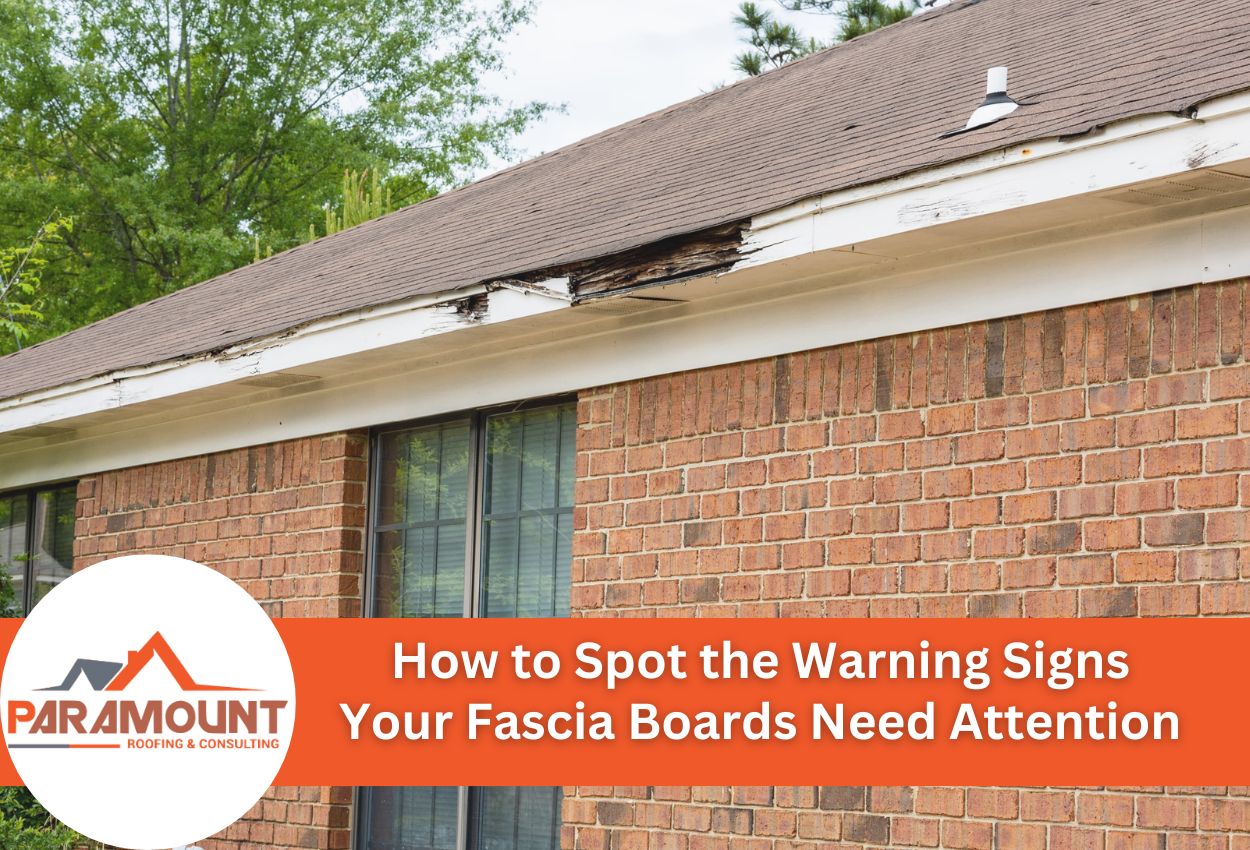
Proper gutter maintenance directly impacts new roof care by preventing water damage that compromises the entire roofing system. Clogged gutters create water backup that forces moisture under shingles and into vulnerable areas around eaves and fascia boards. This standing water accelerates the deterioration of roofing materials and can void manufacturer warranties if damage results from poor drainage maintenance.
Regular gutter cleaning should occur at least twice a year, with additional cleanings during heavy leaf-fall periods. Remove all debris, including leaves, twigs, and granules that wash down from asphalt shingles. Check downspouts for proper water flow and ensure drainage directs water at least 6 feet away from the foundation. Damaged or sagging gutters require immediate repair since improper water flow can create ice dams during the winter.
Ice dam prevention becomes essential for extending the roof lifespan in colder climates. Adequate attic insulation and ventilation prevent heat buildup that melts snow unevenly across the surface of the roof. When combined with clean gutters and proper drainage patterns, these preventive roof maintenance practices protect the structural integrity of new roofing systems while maintaining the best possible performance throughout changing seasons.
Managing Debris and Environmental Factors
Effective debris management plays an important role in new roof care by preventing moisture accumulation that leads to premature material deterioration. Leaves, pine needles, and organic matter naturally collect in roof valleys, around gaps, and along gutter lines where they trap water against roofing surfaces. This trapped moisture creates ideal conditions for mold and algae growth while accelerating the breakdown of shingles and underlayment materials.
Regular debris removal should target areas where organic matter accumulates most heavily. Use a soft-bristled brush or leaf blower to clear valleys and low-slope sections without damaging shingle surfaces. Pay special attention to areas around skylights, chimneys, and vents where debris often builds up unnoticed. These preventive roof maintenance practices help extend roof lifespan by maintaining proper water flow patterns across the entire surface.
Tree limb management reduces storm damage risks while improving air circulation around the roof structure. Branches hanging within 6 feet of the roof should be trimmed to prevent impact damage during high winds and reduce leaf accumulation. Proper tree maintenance also enhances natural drying after rain, which prevents prolonged moisture exposure that can compromise roofing materials and create breeding grounds for destructive organisms.
Protecting Against Weather-Related Damage
Weather conditions in the Southeast create unique challenges for new roofing systems that require proactive protection strategies. Summer thunderstorms bring intense rainfall and high winds that test the flashing’s structural integrity and drainage capacity, while winter freeze-thaw cycles cause roofing materials to expand and contract repeatedly. High humidity levels throughout the year promote moisture retention that can accelerate material degradation if proper ventilation systems fail to maintain adequate air circulation.
Thermal expansion affects different roofing materials in distinct ways that impact long-term performance. Metal roofing systems require expansion joints and proper fastening patterns to accommodate movement, while asphalt shingles depend on flexible underlayment to handle dimensional changes. Clay and concrete tiles need adequate spacing and proper installation techniques to prevent cracking during temperature fluctuations. Understanding these material-specific requirements helps homeowners recognize when a professional evaluation becomes necessary.
Minimizing weather-induced stress on roofing systems involves maintaining proper attic ventilation, ensuring adequate drainage capacity, and addressing minor issues before seasonal weather changes occur. Regular inspection of caulking around gaps, checking for loose or damaged materials, and verifying that gutters handle water volume effectively prevents weather-related problems from compromising the roof structure during extreme conditions.
When to Call Professional Roofing Services
While basic visual inspections and debris removal can be performed safely from ground level, accessing the surface of the roof or working near electrical lines creates significant hazards. Professional contractors have specialized equipment and training to handle elevated work safely while identifying potential problems that untrained eyes often miss.
Complex maintenance tasks such as flashing repairs, shingle replacement, and structural assessments should always involve qualified professionals. Attempting these repairs without proper knowledge can void manufacturer warranties and create liability issues if improper installation causes future damage. Additionally, working with electrical components near the roof, addressing chimney issues, or handling suspected structural problems requires specialized licensing and expertise that homeowners typically lack.
Establishing relationships with qualified local contractors ensures quick attention when professional intervention becomes necessary. Regular professional inspections complement homeowner maintenance efforts by providing expert evaluation of system performance and identifying emerging issues before they become expensive repairs. This collaborative approach to roof maintenance tips maximizes the effectiveness of preventive care while maintaining proper warranty protection throughout the roof’s service life.
Extending Your Roof’s Lifespan Through Smart Maintenance Habits
Developing long-term care strategies transforms routine maintenance into a powerful investment protection system that preserves your roof’s structural integrity for decades. Smart maintenance habits focus on consistent preventive actions rather than reactive repairs, creating a proactive approach that significantly extends roof lifespan while maintaining the best performance. These strategic practices address both visible and hidden components of your roofing system through systematic care protocols.
Successful preventive roof maintenance requires understanding how different environmental factors affect roofing materials over time. Seasonal temperature fluctuations, UV exposure, and moisture cycles gradually impact even the highest-quality materials, making consistent care essential for long-term durability. Implementing smart maintenance habits during the early years of roof ownership establishes protective routines that prevent accelerated deterioration and preserve your investment value.
Maintaining detailed maintenance records provides important documentation that impacts warranty coverage and demonstrates responsible ownership practices. These records create valuable reference points for tracking system performance, scheduling future maintenance, and supporting warranty claims when necessary. Professional contractors can use maintenance histories to identify patterns and recommend targeted improvements that enhance overall roof performance and longevity.
Ensure Your New Roof’s Longevity with Paramount Roofing & Consulting
Protecting your new roof investment in Atlanta starts with understanding the essentials of roof maintenance. Paramount Roofing & Consulting specializes in helping homeowners like you extend the lifespan of your roof through proactive and preventive maintenance strategies. Whether it’s setting up your initial roof inspection schedule, managing debris and environmental factors, or preparing for Atlanta’s unique weather challenges, our expert team is here to assist.
Maintaining your roof properly not only enhances its functionality and appearance but also ensures structural integrity for years to come. Don’t wait for visible damage to take action. Call us today at (404) 971-2880 to schedule a professional inspection or to consult about the best maintenance practices for your new roof. Let Paramount Roofing & Consulting help you maximize your roof’s performance and safeguard your home.