(404) 971-2880
Understanding TPO Roof Replacement Investment for Your Atlanta Commercial Property
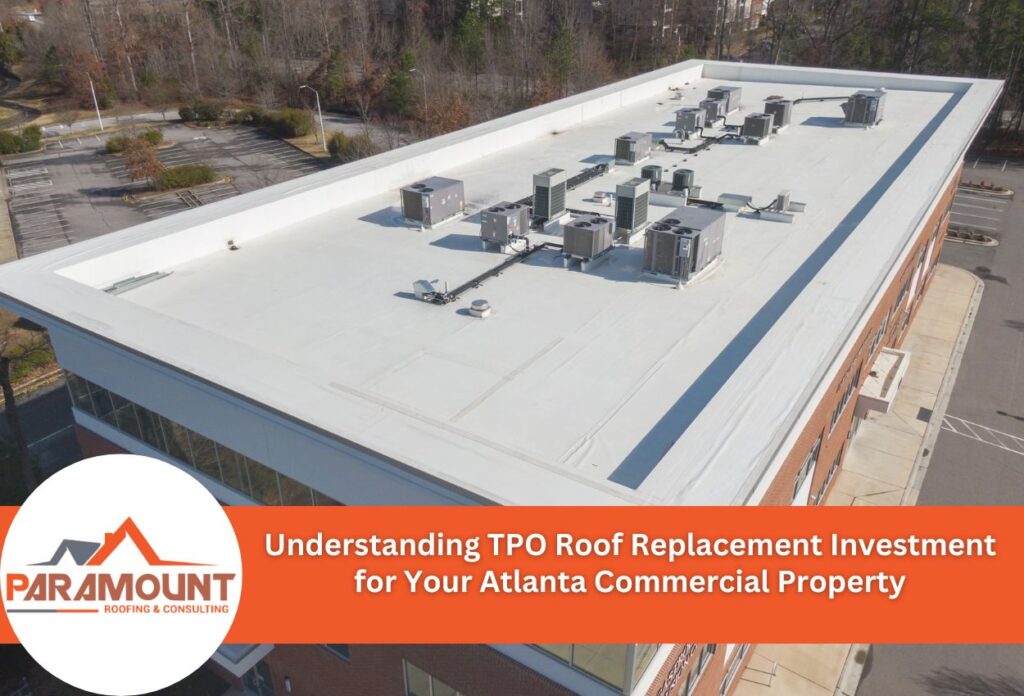

TPO roof replacement cost represents a significant consideration for Atlanta commercial property owners seeking reliable, long-term roofing solutions. Thermoplastic Polyolefin roofing systems have become increasingly popular among businesses throughout the region due to their exceptional durability, energy efficiency, and cost-effectiveness compared to traditional roofing materials.
TPO roofing installation offers commercial property owners a single ply membrane roofing solution that withstands Atlanta’s challenging weather conditions, including intense summer heat, severe storms, and temperature fluctuations. This white or light-colored membrane reflects sunlight effectively, reducing cooling costs during Georgia’s hot summers while maintaining structural integrity year-round.
Several critical factors influence the total investment required for commercial roof replacement projects using TPO systems. The size and complexity of the building, existing roof condition, insulation requirements, and specific membrane thickness all impact the overall project scope. Additional considerations include the building’s structural capacity, drainage systems, and any necessary repairs to the roof deck before TPO roofing installation begins.
Understanding these variables helps property owners make informed decisions when evaluating flat roof replacement options. TPO roof benefits extend beyond initial installation, offering reduced maintenance requirements and extended service life that can span two to three decades with proper care and regular inspections.
Key Factors That Determine Your TPO Roof Replacement Budget
Several crucial elements significantly impact the overall investment required for TPO roofing installation on commercial properties. Building size stands as the primary cost driver, as larger structures require more materials and extended labor hours for completion. Roof complexity adds another layer of consideration, with buildings featuring multiple levels, skylights, HVAC units, or intricate architectural details requiring additional time and specialized techniques during single ply membrane roofing installation.
Accessibility plays a vital role in determining project requirements and timeline. Buildings with limited crane access, challenging terrain, or height restrictions often require alternative equipment and installation methods, affecting the overall scope of commercial roof replacement projects. The existing roof condition directly influences budget considerations, as severely deteriorated surfaces may require complete tear-off and disposal rather than overlay installation.
Structural modifications present additional variables that impact TPO roof replacement cost calculations. Properties requiring new insulation, updated drainage systems, or roof deck repairs expand the project scope beyond basic membrane installation. The removal of multiple existing roof layers, hazardous materials like asbestos, or outdated flashing systems requires specialized handling and disposal procedures.
These factors work together to create unique project parameters for each flat roof replacement options evaluation. Property owners benefit from professional assessments that identify specific building requirements and potential complications before TPO roofing installation begins, ensuring accurate budget planning and successful project outcomes.
TPO Material Options and Their Impact on Project Investment
TPO membrane selection significantly influences both upfront investment and long-term performance outcomes for commercial roof replacement projects. Standard TPO roofing installation options include membrane thicknesses ranging from 45 mil to 80 mil, with thicker materials providing enhanced durability and extended service life. The 60 mil thickness represents the most common choice for commercial applications, offering an optimal balance between performance and cost-effectiveness.
Reinforcement types within TPO membranes create distinct performance characteristics that affect project investment decisions. Polyester-reinforced membranes provide excellent tensile strength and dimensional stability, making them suitable for most single ply membrane roofing applications. Fiberglass-reinforced options offer superior fire resistance and lower thermal expansion, though they typically command higher material costs.
Quality grades among TPO manufacturers vary considerably, with premium products featuring enhanced UV resistance, improved weldability, and extended warranty coverage. These higher-grade membranes require larger initial investments but often deliver superior long-term value through reduced maintenance requirements and extended replacement cycles.
Membrane color selection impacts both energy efficiency and material costs, with white and light gray options providing maximum heat reflection for reduced cooling expenses. The choice between mechanically attached, fully adhered, or ballasted installation systems affects both material requirements and labor intensity during flat roof replacement options evaluation.
TPO roof benefits extend beyond material selection to include compatibility with various insulation types and roof deck preparations, allowing property owners to customize systems based on specific building requirements and budget parameters.
Complex Roof Designs That Invite Ice Dam Problems
Architectural complexity significantly increases ice dam risk as dormers, valleys, and intersecting roof lines create multiple problem areas where snow accumulates unevenly and melting water becomes trapped. These design features disrupt natural drainage patterns and establish temperature variations across different roof sections that promote the freeze-thaw cycles responsible for ice dam formation on roofs.
Dormers present particular challenges because they create perpendicular intersections with main roof planes, forming pockets where snow collects and remains longer than on open roof surfaces. The vertical walls of dormers also absorb and radiate heat differently than sloped roofing materials, creating warm spots that melt accumulated snow. This melted water then flows downward toward colder areas where it refreezes and begins forming ice barriers.
Valley areas where two roof planes meet represent another high-risk zone for asphalt shingle ice dams. Snow naturally accumulates in these low points, creating thick deposits that insulate the roofing material below while exposing upper roof sections to solar heating. Water from melting snow concentrates in valleys before flowing toward gutters, but temperature drops in these shaded areas often cause refreezing before proper drainage occurs.
Multi-level roofs with varying elevations compound ice dam problems by creating step-like formations where water from upper levels drains onto lower roof sections. These transitions become collection points for both snow and ice, establishing conditions where gutter ice dam problems develop rapidly and spread across larger roof areas than simple single-plane designs would experience.
Comparing TPO Against Other Flat Roof Replacement Options
When evaluating single ply membrane roofing systems, TPO stands out among flat roof replacement options for its balanced performance characteristics and competitive investment requirements. EPDM rubber membranes typically require lower upfront costs but offer shorter lifespans and reduced energy efficiency compared to TPO systems. The black surface of EPDM absorbs significant heat, increasing cooling expenses throughout Atlanta’s extended summer seasons.
PVC roofing systems command premium pricing due to superior chemical resistance and welded seam strength, making them ideal for facilities with grease exposure or industrial applications. However, TPO roofing installation delivers comparable performance for most commercial applications at substantially lower material costs. Both TPO and PVC provide excellent heat reflection and energy savings that EPDM cannot match.
Modified bitumen systems present traditional alternatives that many property owners consider during commercial roof replacement evaluations. These multi-layer systems require torch application or hot asphalt installation, creating safety concerns and weather dependencies that single ply membrane roofing avoids. TPO installation proceeds efficiently in various weather conditions without flame or heated materials.
Long-term value analysis reveals TPO roof benefits extending well beyond initial investment comparisons. The membrane’s resistance to UV degradation, thermal shock, and punctures reduces maintenance frequency while its reflective properties generate ongoing energy savings. These performance advantages often offset higher upfront costs compared to EPDM while providing similar service life to more expensive PVC systems, establishing TPO as an optimal balance between performance and investment requirements.
Additional Project Components That Affect Total Investment
TPO roof replacement cost extends beyond membrane installation to include essential building improvements that enhance system performance and longevity. Insulation upgrades represent one of the most common additional components during commercial roof replacement projects, as older buildings often lack adequate thermal barriers required by current energy codes. Upgrading insulation during TPO roofing installation provides optimal timing for these improvements while avoiding future disruption to the new membrane system.
Drainage improvements frequently become necessary when existing systems fail to meet current building standards or show signs of deterioration. Poor drainage compromises any roofing system, making these upgrades critical investments that protect the new TPO membrane from standing water damage. Structural enhancements may include roof deck repairs, parapet wall reinforcement, or HVAC unit support modifications that ensure proper load distribution across the single ply membrane roofing system.
Permit requirements and professional inspections add regulatory compliance costs that vary based on local jurisdictions and project scope. These mandatory components ensure TPO roofing installation meets building codes and safety standards while protecting property owners from liability issues. Professional inspections during installation phases verify proper techniques and materials usage that maintain warranty coverage.
Warranty considerations significantly impact long-term value, with manufacturer warranties requiring specific installation procedures and approved contractors. Extended warranty options provide additional protection but require higher-grade materials and certified installation teams. These comprehensive warranty packages often justify their additional investment through reduced risk and guaranteed performance standards that protect flat roof replacement options over decades of service life.
Maximizing Your TPO Roof Replacement Investment Value
Protecting the investment in TPO roofing installation requires strategic decisions that extend beyond material selection to encompass contractor expertise and long-term performance planning. The quality of installation directly impacts system longevity, with proper techniques determining whether TPO roof benefits materialize over the expected service life. Experienced contractors understand membrane welding procedures, substrate preparation requirements, and detail work that prevents premature failures in single ply membrane roofing systems.
Contractor selection significantly influences commercial roof replacement outcomes, as TPO installation demands specialized knowledge of thermal welding, proper fastening patterns, and membrane handling techniques. Certified installers maintain manufacturer approvals that protect warranty coverage while ensuring compliance with industry standards. These qualifications translate directly into investment protection through reduced callback risks and guaranteed performance standards that maintain system integrity.
Quality installation practices include thorough substrate inspection, proper insulation placement, and meticulous attention to flashing details around penetrations and edges. These critical elements determine long-term performance regardless of membrane quality, making contractor expertise essential for maximizing flat roof replacement options value. Professional installation teams also identify potential issues before they compromise system performance, preventing costly repairs that could otherwise undermine the investment.
Strategic maintenance planning establishes routines that preserve TPO roof replacement cost value through preventive care and early problem detection. Regular inspections identify minor issues before they develop into major repairs, while proper cleaning and drainage maintenance prevent conditions that accelerate membrane deterioration. Warranty utilization strategies ensure maximum coverage benefits when issues arise, protecting the investment through manufacturer support programs and professional repair services that maintain system performance standards.
Optimize Your Investment with Paramount Roofing & Consulting
When considering a TPO roof replacement for your Atlanta commercial property, understanding the nuances of cost and benefits is crucial. Paramount Roofing & Consulting specializes in TPO roofing installations and comprehensive commercial roofing services, offering a comprehensive service that ensures maximum value for your investment. Our expertise not only covers the installation but also provides critical insights into the long-term benefits of choosing a high-quality TPO membrane. Whether you’re comparing flat roof replacement options or looking to upgrade to a more durable and cost-effective roofing solution, our team is here to guide you.
To discuss your project specifics, schedule a commercial roof inspection, or receive a detailed quote, call Paramount Roofing & Consulting today at (404) 309-8035. Let us help you make an informed decision that aligns with your budget and functional requirements, ensuring your property’s roofing system is robust, reliable, and ready to withstand Atlanta’s diverse weather conditions.
Related Articles
-
 February 17, 2025The Benefits of TPO Roofing Systems In AtlantaNeed a durable, cost-effective roof in Atlanta? TPO roofing offers energy efficiency and climate resistance.
 -
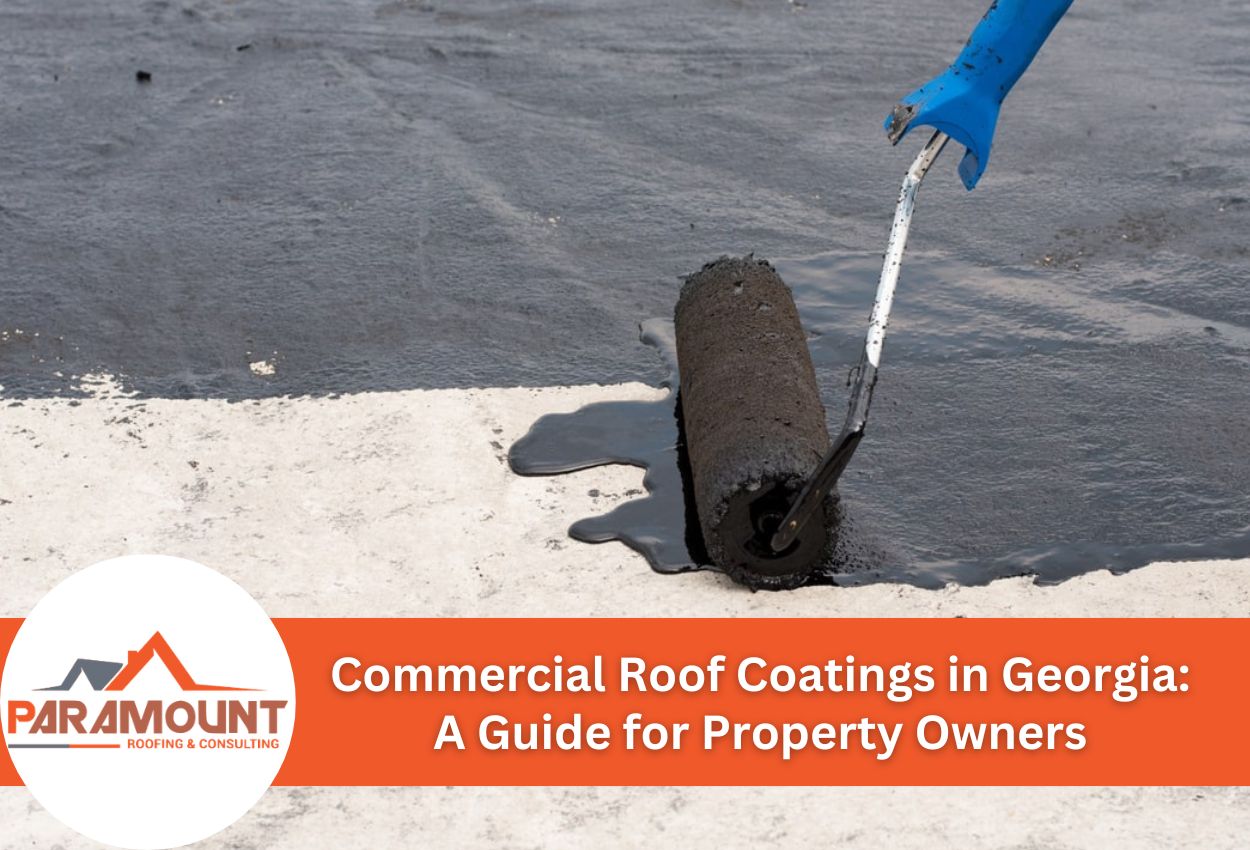 July 28, 2026Commercial Roof Coatings in Georgia: A Guide for Property OwnersIs your Georgia commercial roof driving up costs? Compare roof coating options, pricing, and climate benefits.
 -
 August 19, 2026Commercial Roofing Services in Douglasville, GA: What Business Owners Need to KnowExplore commercial roofing systems, costs, contractor tips, and maintenance to protect your building.
Protect Your Home with Expert Roofing
Don’t wait for leaks or storm damage to cause costly repairs. Our experienced roofing team provides fast, reliable service, high-quality materials, and lasting results. Ensure your home stays safe, secure, and looking great—contact us today for a free estimate.