Quality Is Doing The Job Right, The First Time!

Quality Is Doing The Job Right, The First Time!
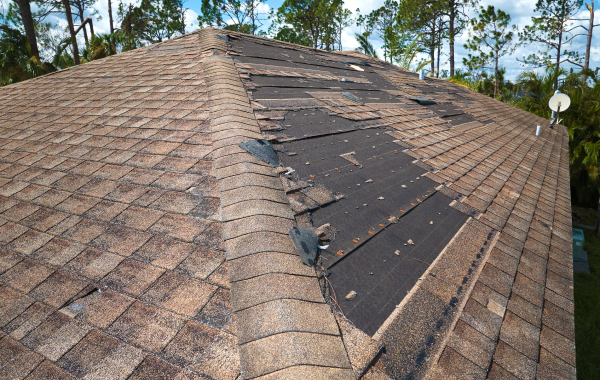
Atlanta puts roofs through a lot. Summers bring afternoon thunderstorms that roll in fast and hit hard, dropping around 50 inches of rain across the year and sending wind, hail, and falling branches onto rooftops throughout the metro. The city's heavy tree cover, one of the things that makes Atlanta neighborhoods so appealing, also means branches come down during storms and land on shingles, sometimes causing damage that isn't visible from the ground. Older homes, and there are plenty of them here, built from the 1950s through the 1980s, are dealing with roofs that have been through decades of that kind of weather. Granule loss, curling shingles, and worn flashing can develop quietly over time until a steady rain reveals a leak inside your home. Catching those problems early is what keeps a straightforward repair from turning into something far more extensive and expensive.
That's where professional residential roof repair makes a real difference. Paramount Roofing & Consulting works with Atlanta homeowners who want honest answers about what their roof actually needs, whether that's a targeted repair after storm damage or addressing deterioration that's been building up over the years. Atlanta's humidity also creates conditions where moss and algae can quietly take hold on shingles, masking underlying damage that only a proper inspection will catch. Knowing what to look for, and where to look is what separates a repair that holds from one that leaves you dealing with the same problem a season later.
Roof issues are easier to manage when the process is clearly defined. Here is how Paramount Roofing & Consulting handles residential roof repairs from initial inspection through final review.
Atlanta's combination of heavy rainfall, mature tree canopy, and aging housing stock creates a fairly predictable set of roof problems for homeowners. Understanding what typically causes repairs can help you recognize warning signs early and know what you're dealing with before a technician arrives.
| Issue Type | Common Cause | Typical Urgency |
|---|---|---|
| Localized shingle damage | Branch impact during storms | Inspect quickly: damage is often not visible from the ground |
| Leaks at roof valleys or joints | Foundation movement from clay soil shifting: worn flashing | Addressing the problem before rainy periods makes the problem worse |
| Granule loss and curling shingles | Age-related deterioration in older homes | Schedule an inspection to determine the repair scale |
| Moss and algae growth | Year-round humidity and shaded roof areas | Can mask underlying damage: inspection recommended |
| Poor attic ventilation and condensation | Inadequate soffit or ridge venting in older construction | Relevant year-round, given Atlanta's persistent humidity |
Many of these issues develop gradually, which is why homeowners often don't notice them until a leak shows up inside. Branch damage is a good example: it tends to be concentrated in specific spots near mature trees rather than spread across the whole roof, making it easy to miss without a proper inspection. If your home was built before 1990, a targeted inspection after any significant storm is a practical step that can catch problems while they're still straightforward to fix.
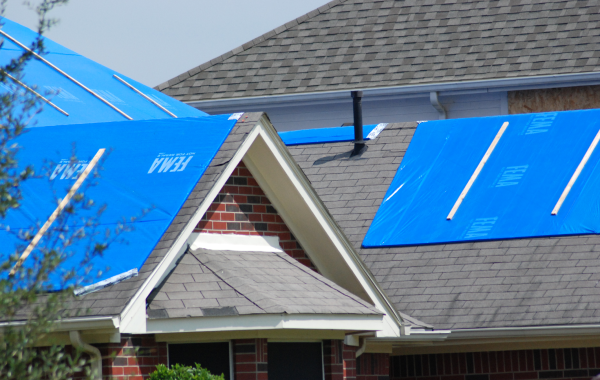
Whether the damage is from a fallen branch, wind-lifted shingles, or years of granule loss, the repair addresses both what you can see and what's underneath. Replacing only the surface without checking the underlayment is one of the most common reasons repairs don't last, and it's something Paramount Roofing & Consulting never skips.
Flashing around chimneys, vents, skylights, and roof joints is one of the most failure-prone areas on Atlanta homes, especially where clay soil movement puts stress on spots where two roof planes meet. Repairing or resealing flashing properly is often what stops a recurring leak that other work has failed to fix.
Many older Atlanta homes were built with soffit and ridge venting that doesn't handle today's humidity levels well, leading to condensation buildup that damages the roof structure from the inside. When ventilation issues are identified during the repair process, correcting them is part of making sure the repair actually holds long-term.
Atlanta's humidity keeps conditions favorable for moss and algae growth year-round, particularly on shaded sections of the roof. Treating affected areas during a repair visit removes the growth before it continues breaking down shingles and gives you a cleaner starting point going forward.
Atlanta's weather doesn't ease up much from season to season, and older homes in particular tend to carry repairs that have been quietly building up over time. Addressing what your roof actually needs now, before another round of spring thunderstorms or a wet fall season, works on already vulnerable spots, and keeps a minor repair from growing into a much larger project. For homeowners who've had the same roof for decades, that kind of attention is one of the most practical investments you can make in your property.
Paramount Roofing & Consulting is straightforward to work with. You get a clear inspection, honest answers, and repair work done by people who know Atlanta homes. If you're ready to find out what your roof actually needs, reach out, and we'll take it from there.
Got questions about your roof? We’ve got answers. From maintenance tips to insurance claims and repair timelines, our FAQ section covers the most common concerns homeowners have. Get informed and make confident decisions about protecting your home.
Clay soil expands when it absorbs moisture and contracts as it dries out, and over the years, that movement can shift a home's foundation just enough to stress the roof structure. The most common sign is a recurring leak at a valley or where two roof planes meet, even after the area has been repaired before. If a specific spot keeps leaking despite previous work, soil movement may be contributing to the problem rather than simple material wear.
Late fall and early spring tend to be the best windows. Spring repairs address anything that winter rains exposed, while fall repairs get your roof ready before the wet season puts pressure on weak spots. Summer heat makes roofing work harder and can affect how materials set, so if you have flexibility, avoiding the peak of summer is worth it. That said, active leaks should never wait for an ideal season.
It breaks down the shingle surface gradually, accelerating wear in ways that aren't always obvious until the damage is already significant. In Atlanta's humidity, shaded roof sections under tree canopy are especially prone to this, and the growth can mask cracking or lifted shingles underneath. Getting it treated during a repair visit rather than leaving it in place gives your repaired roof a much better starting point going forward.


Our clients’ satisfaction speaks for itself! Read about their experiences with our quality service.
Don't wait to protect your home! Our team is ready to assist with all your roofing needs, so contact us now for expert service and peace of mind.
Our roofing experts are here for your help.

 (404) 971-2880