Quality Is Doing The Job Right, The First Time!

Quality Is Doing The Job Right, The First Time!
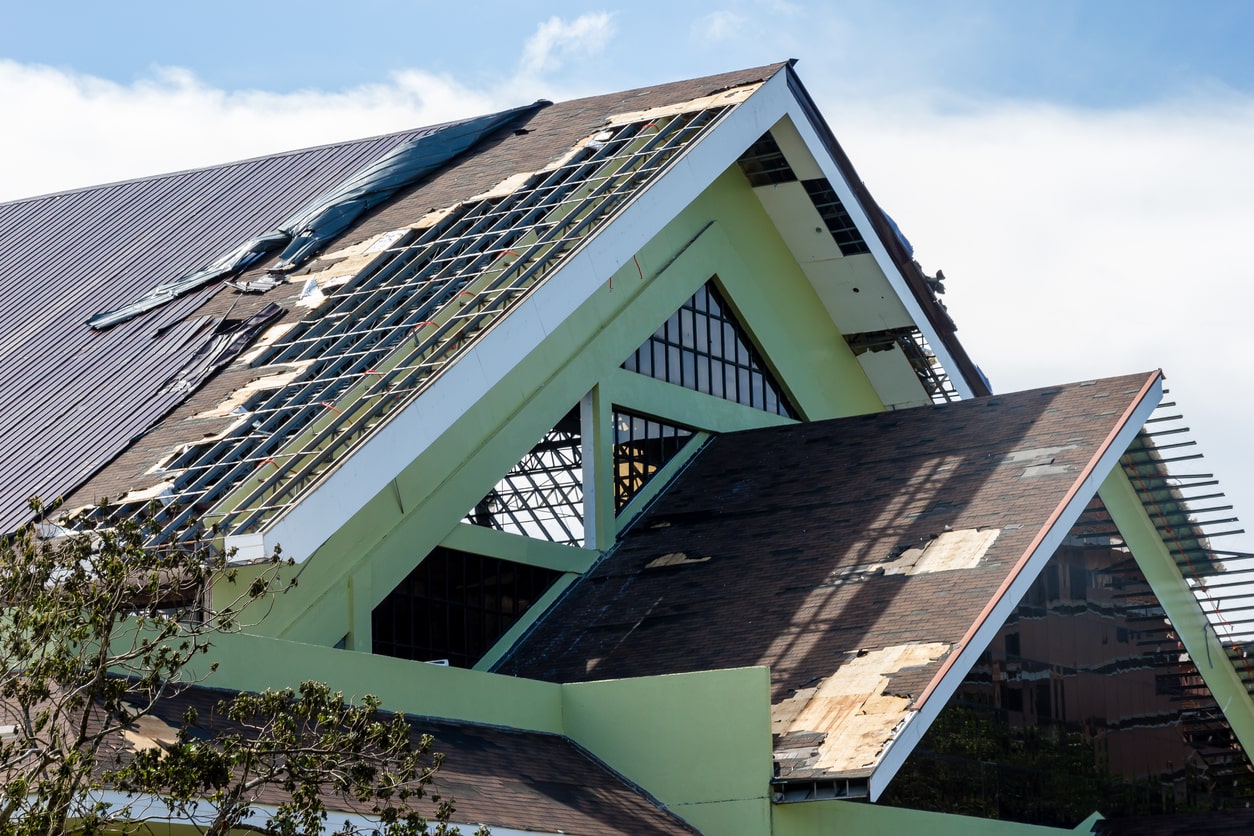
Atlanta’s weather can be relentless. With around 50 thunderstorms rolling through the metro area every year, wind gusts regularly topping 60 mph, and hailstones large enough to bruise and crack shingles, your roof takes a beating that adds up over time. Many of the homes across Atlanta were built between the 1960s and 1990s and still carry their original asphalt shingle roofs, which makes them especially vulnerable to wind uplift and hail impact during severe storms. A single storm can lift shingles, knock granules loose, and open the door to leaks that work their way into your roof deck and framing before you even realize the damage is there. Left unaddressed, that kind of water exposure can shorten your roof’s lifespan by nearly a decade.
That’s where professional storm damage roof repair makes a real difference. Identifying the full extent of damage after a storm, sealing exposed areas quickly, and restoring your roof’s ability to protect your home are all steps that require experience and an understanding of how Atlanta’s humidity and weather patterns accelerate problems once a roof is compromised.
Paramount Roofing and Consulting works specifically in this market, and that means knowing what storm damage looks like here, how it behaves in this climate, and what repairs will hold up through the next round of severe weather. If your home was hit by a recent storm, our hail damage repair services are designed to address exactly that kind of impact.
After a storm, the last thing you need is uncertainty about what comes next. Here is exactly how Paramount Roofing and Consulting moves from the initial call to a completed roof repair.
Atlanta’s storm season doesn’t always leave obvious clues. Some damage is easy to spot from the ground, but a lot of what compromises your roof’s performance hides in places you’d never think to look. Knowing what to watch for after a severe storm helps you act before a small problem turns into a much larger repair.
Photo documentation of these signs right after a storm is worth doing. Clear photos of shingle lifts, impact marks, and visible damage provide a useful record as you move into the repair process.
When damaged shingles are removed, replacements are installed using asphalt shingles rated for 110 to 130 mph wind resistance, which meets Atlanta’s enhanced post-storm code standards. This matters because the same conditions that damaged your roof once will come around again, and using the right materials the first time gives your repair lasting durability.
Any area where shingles are replaced includes proper underlayment treatment beneath the surface layer, adding an important barrier between your roof decking and the elements. Atlanta’s high humidity after storms means that even small gaps in underlayment coverage can allow moisture to work its way into the structure quickly.
Storm damage frequently compromises flashing around chimneys, vents, and valleys, which are the spots most likely to develop leaks after high winds or hail. Repairing or resealing flashing as part of your storm repair closes off the entry points that cause the most persistent interior water damage.
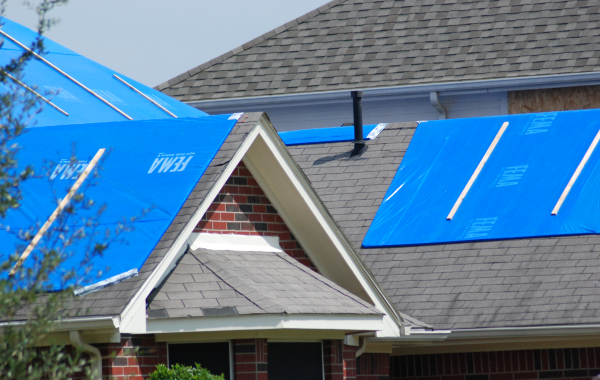
When storm damage leaves sections of your roof exposed before full repairs can begin, heavy-duty tarping is applied to protect the roof decking and interior from further water exposure. In Atlanta’s warm, humid conditions, an unprotected opening can lead to mold growth within 2 days, so covering the damage quickly is one of the most important steps in the process.
Atlanta’s combination of frequent severe storms, high humidity, and aging housing stock means roof damage tends to add up quickly when it goes unaddressed. A repaired roof isn’t just about fixing what’s visibly broken. It’s about restoring your home’s ability to hold up through the next line of storms, keeping moisture out of your roof decking and framing, and protecting the value you’ve built in your property over time. Addressing storm damage quickly, especially heading into spring or fall when severe weather picks back up, puts you in a far better position than waiting to see how things develop. Professional hail damage roof repair in Atlanta can also help address roofing issues caused by hail before they lead to more extensive damage.
Paramount Roofing and Consulting is based in this market and focused on doing this work right. If your roof took a hit recently, or you’re not sure what a past storm may have left behind, reaching out for an inspection is the simplest next step. A professional storm damage roof inspection can identify hidden issues and give you a clearer understanding of any repairs that may be needed.The team is ready to take a look and give you a clear picture of where things stand.
Got questions about your roof? We’ve got answers. From maintenance tips to insurance claims and repair timelines, our FAQ section covers the most common concerns homeowners have. Get informed and make confident decisions about protecting your home.
It can, and most homeowners never hear about this until there’s a problem. The expansive clay soil common throughout the metro area shifts with moisture changes, and that movement puts stress on roof attachments, particularly on gable-style roofs that were common in subdivisions built through the 1980s. When a roof has already been loosened by wind or hail, that added stress from soil movement below can work against the repair if fastening and sealing aren’t done with that factor in mind. A contractor familiar with Atlanta’s specific conditions will account for this during the repair, not discover it later.
Faster than most people expect. Atlanta’s post-storm temperatures regularly stay in the 70s and 80s, and that warm, humid air moving through an exposed opening can trigger mold growth in roughly 48 hours. This is why getting damaged areas covered quickly matters so much here, even if full repairs can’t start right away. Humidity isn’t just a comfort issue in this region; it’s a structural one once water finds its way into the roof deck or framing.
Granule loss is one of those things that looks minor but has a real timeline attached to it. Once the granule layer is gone, the asphalt underneath is exposed directly to UV rays, and that degradation moves quickly under Atlanta’s intense summer sun. A shingle that loses significant granule coverage after a hailstorm can reach the end of its functional life years ahead of schedule. Catching it early and replacing the affected sections is almost always less expensive than dealing with a roof that’s deteriorated across a broader area.


Our clients’ satisfaction speaks for itself! Read about their experiences with our quality service.
Don't wait to protect your home! Our team is ready to assist with all your roofing needs, so contact us now for expert service and peace of mind.
Our roofing experts are here for your help.

 (404) 971-2880