Quality Is Doing The Job Right, The First Time!

Quality Is Doing The Job Right, The First Time!
Dallas sits in a part of northwestern Georgia where severe thunderstorms roll through with regularity, and hail comes with them. Paulding County has seen repeated storm warnings over the years, and the damage those storms leave behind is not always obvious right away. Summer heat in the upper 80s and 90s causes roofing materials to expand and contract, which can pull hidden hail damage into view weeks after a storm passes. By then, what started as a bruised shingle or a few dented metal parts can quietly turn into leaks that work their way into your attic and ceiling. Most homes in the Dallas area were built around the late 1990s and early 2000s, which means a large share of roofs in this market are asphalt shingle systems that are now old enough to feel the full impact of a serious hailstorm.
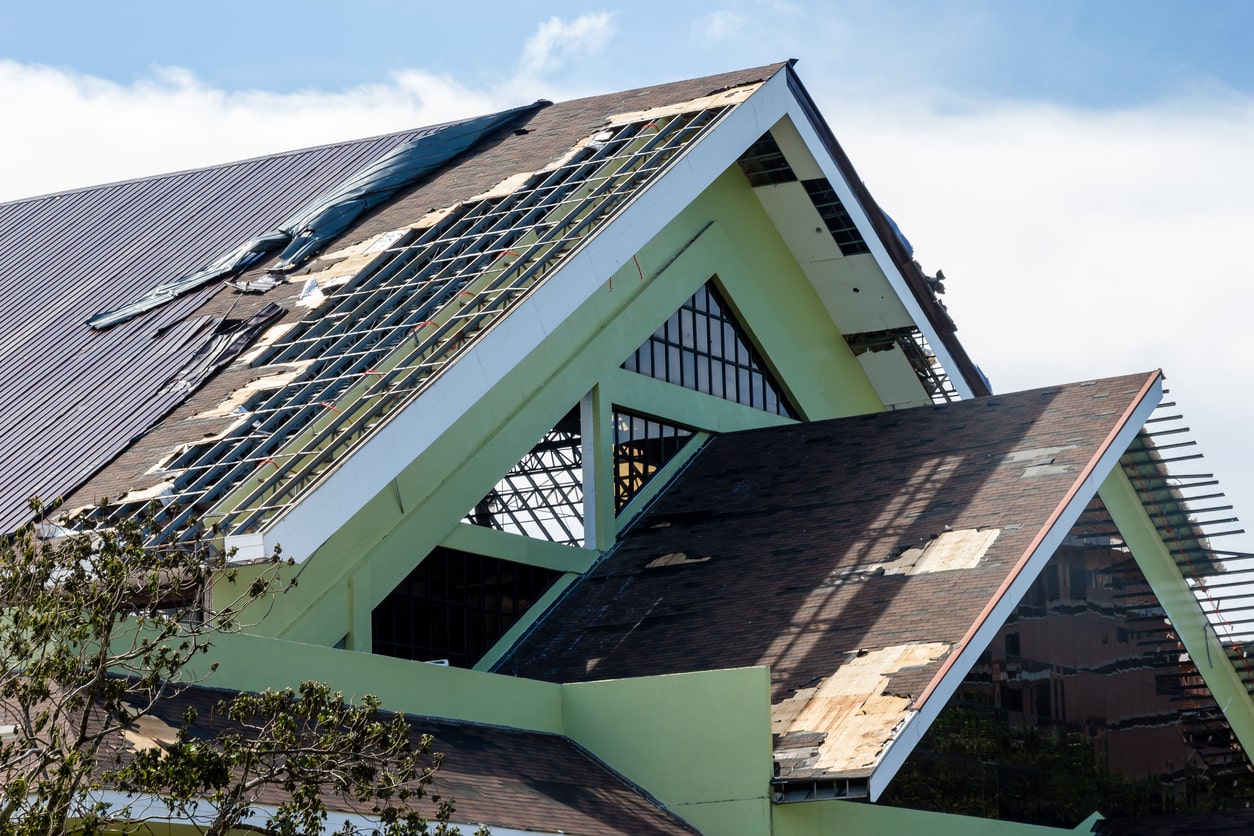
Hail rarely hits just one spot. A strong storm can leave granule loss along the ridgeline, cracked shingle tabs across the field, dented vents, and damaged gutters all at once. That kind of combined damage calls for a thorough post-storm inspection from someone who knows what to look for at every transition point and roof edge. Paramount Roofing & Consulting works with homeowners in Dallas, GA who need a straight answer about the condition of their roof after a storm, and the repairs done right the first time.
Hail damage does not always leave behind an obvious mark, and a closer look can reveal problems that are easy to miss from the ground. We inspect the roof thoroughly, explain what the storm affected, and map out the necessary repairs before work begins.
After a strong storm moves through Dallas, the damage it leaves behind is not always easy to spot from your driveway. Hail and wind often hit together in this part of northwestern Georgia, which means the impact typically spreads across multiple areas of your roof at the same time. Knowing what signs to look for helps you understand what your roof has been through and why a complete inspection matters.
Dallas summers can make some of this damage harder to see right away. Heat causes roofing materials to expand and contract, which sometimes reveals cracked tabs or broken seals days after the storm has passed. Getting on the roof sooner rather than later gives you a clearer picture of what actually needs attention.
When shingles are replaced after a hailstorm, the new material needs to match your existing roof in profile, weight, and color as closely as possible. A good match keeps your home looking consistent and ensures the repaired sections perform the same way as the surrounding roof over time.
Pipe boots, chimney bases, and drip edge are among the most exposed parts of any roof during a hail storm, and they often take damage that goes unaddressed in basic repairs. We include these transition areas in every hail repair job because that's where leaks tend to develop first if they're overlooked.
Hail that hits your roof almost always hits your gutters too, and dented or misaligned gutters can affect how well water drains away from your home after future storms. We check gutter connections and the downspout’s structural integrity as part of the repair process so your drainage system is working properly when the next round of spring storms arrives.
Roof repairs in Dallas and unincorporated Paulding County can trigger permit requirements depending on the scale of work involved. We help you understand whether your repair falls under those requirements so the job is done correctly and your home stays compliant with local building guidelines.
Storms in this part of Georgia do not always leave obvious clues behind, and the longer minor hail damage sits without attention, the more your roof is exposed to whatever comes next. Addressing repairs while the damage is still limited keeps your home protected and helps you avoid the kind of repair bills that come with ignored problems. Spring storm season in northwestern Georgia arrives quickly, and having a solid roof going into it matters.
If you've had a storm move through recently and you're not sure what your roof looks like, Paramount Roofing & Consulting is ready to help. Reach out when you're ready and we'll start with an honest inspection so you know exactly where things stand.
Got questions about your roof? We’ve got answers. From maintenance tips to insurance claims and repair timelines, our FAQ section covers the most common concerns homeowners have. Get informed and make confident decisions about protecting your home.
Hail damage is rarely limited to just the shingles, and gutters, vents, drip edge, and flashing often need attention as separate parts of the repair. Each of these areas takes impact differently, and dented gutters or cracked pipe boots can cause drainage and leak problems even if the shingles around them look fine. A thorough inspection covers all of these areas so nothing gets missed and the full repair holds up over time.
It depends on the scale of work. Minor spot repairs often fall below the threshold that triggers a permit, but larger repairs involving structural roof members or a good portion of the roof can require one under local guidelines. The rules differ between the City of Dallas and unincorporated Paulding County, so it’s worth confirming which jurisdiction applies to your address before work begins.
Dallas summers put a lot of stress on roofing materials, and the heat causes shingles to expand and contract repeatedly after a storm. That movement can widen small cracks, break adhesive seals that were already weakened by impact, and shift flashing that took a hit but did not fully separate right away. Damage that looked minor from the ground right after the storm can develop into active leaks by the time the next heavy rain arrives.


Our clients’ satisfaction speaks for itself! Read about their experiences with our quality service.
Don't wait to protect your home! Our team is ready to assist with all your roofing needs, so contact us now for expert service and peace of mind.
Our roofing experts are here for your help.

 (404) 971-2880