Quality Is Doing The Job Right, The First Time!

Quality Is Doing The Job Right, The First Time!
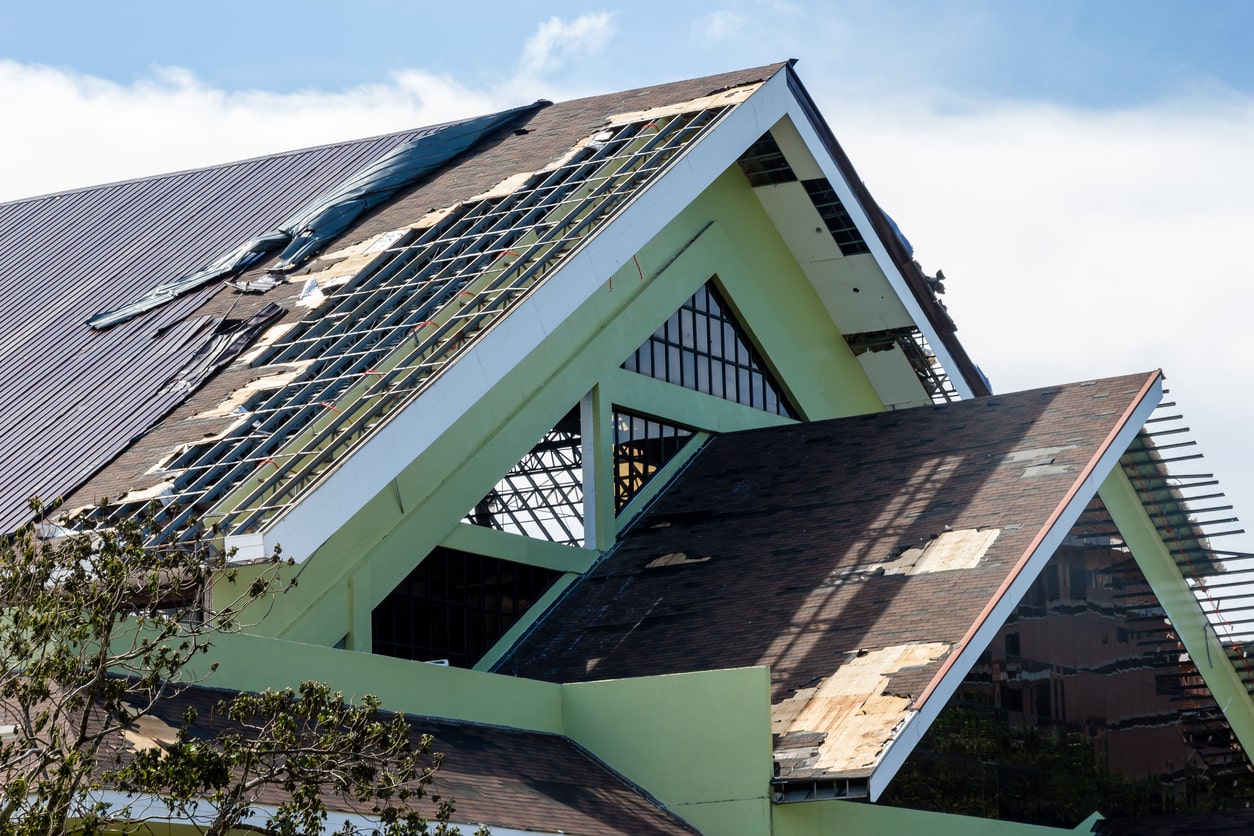
Fayetteville sits in a part of Georgia where spring and summer thunderstorms roll through regularly, and some of them bring hail. Even small hailstones can crack, dent, or strip the protective granules off asphalt shingles, and because that damage is not always obvious from the ground, many homeowners do not realize there is a problem until water starts getting in. With a large share of local homes built between the 1970s and early 2000s, many roofs in this area are already at the age where storm wear starts to show up quickly.
That is where professional hail damage roof repair makes a real difference. A thorough inspection after a storm can identify exactly where shingles have been compromised, whether flashing around valleys or gaps have shifted, and how far the damage extends. Catching these issues early keeps a straightforward repair from turning into a much larger project down the road. Paramount Roofing & Consulting works with Fayetteville homeowners to do exactly that, bringing the kind of local experience that comes from repairing roofs in this specific storm environment season after season.
If your roof took a hit during a recent storm, the sooner you get eyes on it, the better. Hot Georgia summers accelerate wear on already damaged shingles, and what starts as a few missing granules can lead to leaks faster than most homeowners expect.
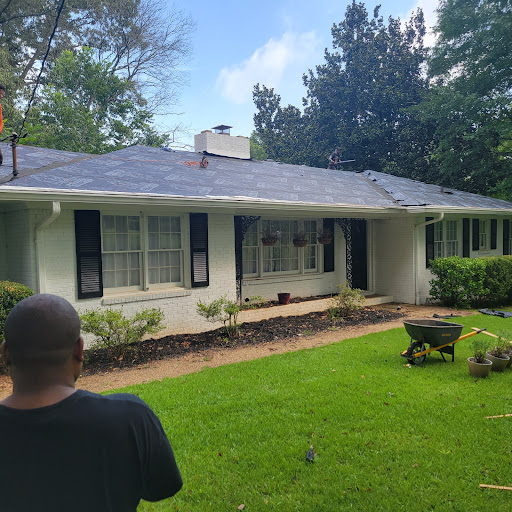
A storm can leave behind damage that is easy to miss until you get a closer look at the roof. Paramount Roofing & Consulting evaluates the affected areas, separates storm damage from normal wear, and explains what needs to be repaired before any work begins.
Hail damage on asphalt shingles is not always dramatic. Sometimes it shows up as small dark spots where granules have been knocked loose, and sometimes the shingle surface looks almost normal until water finds its way through. Understanding how different types of damage affect your roof can help you know what you are dealing with and why acting quickly during storm season matters.
| Damage Type | What It Looks Like | Why It Matters |
|---|---|---|
| Granule loss | Bare or thinned shingle surface, granules in gutters | Exposes asphalt layer to UV and heat, accelerating wear |
| Cracked or bruised shingles | Soft spots, hairline cracks, or small punctures | Creates entry points for leaks, especially in heavy rain |
| Damaged flashing | Lifted, bent, or separated metal at valleys and gaps | One of the most common sources of leaks after a storm |
| Compromised underlayment | Not visible from outside; found during inspection | Last line of protection before water reaches your home's structure |
Georgia's heat and humidity put extra pressure on shingles that have already taken a hit. A roof that looked fine the morning after a storm can start showing leak problems within a single season if damaged areas are not repaired. Spring and summer are the busiest storm months in Fayetteville, which means getting an inspection on the calendar quickly after any hailstorm gives you the best chance of catching problems before they grow.
Replacing only the damaged sections of your roof means the new shingles need to blend with what is already there. We take care to match shingle style, profile, and color as closely as possible so the repaired areas do not stand out against the rest of your roof.
Valleys, pipe boots, vents, and other roof gaps rely on properly sealed flashing to stay watertight. Hail can lift or crack that flashing seal even when the surrounding shingles look intact, and resealing these spots is a standard part of any complete repair.
Georgia's building standards call for ice-and-water shield underlayment at eaves and valleys, the spots where water tends to back up and sit longest after heavy rain. If hail has compromised the shingles in these areas, we address the underlayment layer too, not just what you can see from the surface.
Fayette County has specific rules about when a roofing repair requires a permit, including limits on how much sheathing can be replaced and whether the new material matches the existing roof. We handle the permit side of your project correctly from the start, so your repair meets local building requirements without added stress on your end.
Georgia's storm season does not slow down, and roofs that took hail hits earlier in the year tend to show the real effects once summer heat settles in. Older asphalt shingles are especially vulnerable, and a small area of damage can open the door to leaks well before the next round of storms arrives. Getting hail damage repaired quickly protects your home and helps you avoid the kind of repair bills that come with putting it off too long.
Paramount Roofing & Consulting is ready to help homeowners in this part of Fayette County get their roofs back in solid shape. If you have questions or want to schedule an inspection after a recent storm, reaching out is the easiest first step. We will take a close look, tell you exactly what we find, and give you a clear path forward.
Got questions about your roof? We’ve got answers. From maintenance tips to insurance claims and repair timelines, our FAQ section covers the most common concerns homeowners have. Get informed and make confident decisions about protecting your home.
Hail damage often hides in plain sight for weeks or even months before it causes obvious problems. Granule loss and hairline cracks in shingles may not produce leaks until heavy rain hits a weakened spot at just the right angle, or until summer heat accelerates the wear on already compromised areas. This is why scheduling an inspection shortly after any hailstorm in Fayetteville matters, even if your roof looks fine from the street.
Age is only one factor in how a roof handles hail. Georgia's heat and humidity put constant pressure on asphalt shingles, and a 15-year-old roof in Fayetteville has likely already weathered several active storm seasons that wear down the surface over time. A mid-age roof can take hail damage just as easily as an older one, and because the shingles still look decent overall, the damage is sometimes easier to overlook until water finds its way in.
A well-done partial repair should not affect how your roof drains or performs, but it does require careful attention to how the repaired sections tie into the surrounding areas. Flashing, valleys, and eave edges all need to work together as a system, so any repair in those zones has to account for what is already there. That is why a thorough inspection before work starts matters: it helps identify whether nearby areas need attention too, so the finished repair holds up as a complete, watertight system rather than just a patch.


Our clients’ satisfaction speaks for itself! Read about their experiences with our quality service.
Don't wait to protect your home! Our team is ready to assist with all your roofing needs, so contact us now for expert service and peace of mind.
Our roofing experts are here for your help.

 (404) 971-2880