Quality Is Doing The Job Right, The First Time!

Quality Is Doing The Job Right, The First Time!
Jonesboro gets hit hard by Georgia's weather. Between the heavy spring thunderstorms, summer hail, and tropical remnants that roll through in the fall, roofs here take a beating throughout the year. With around 50 inches of rain annually and a real mix of wind-driven storms and temperature changes across the seasons, the conditions are tough on roofing materials year-round. That pressure adds up fast, especially on older homes. A large share of the housing stock in Clayton County dates back to the 1980s and earlier, which means many roofs are already dealing with worn shingles and aging flashing before a storm ever makes landfall. When a strong storm rolls through, it does not just cause new damage. It often exposes problems that were quietly building underneath the surface.
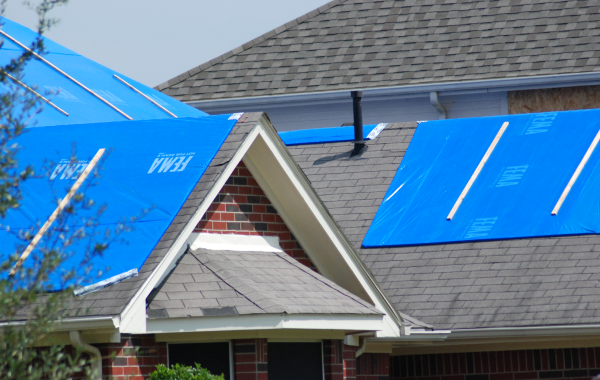
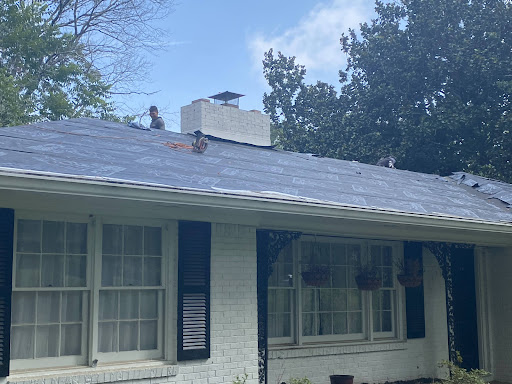
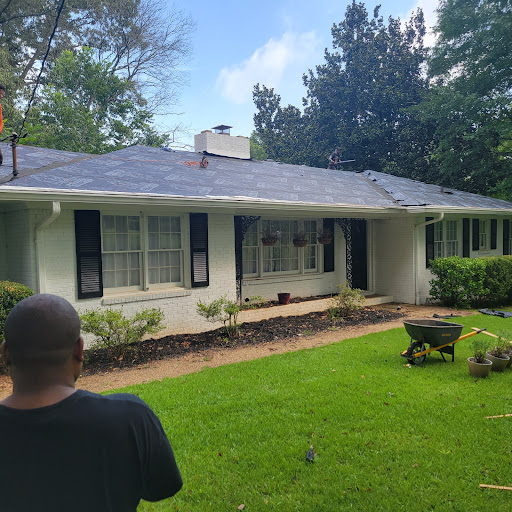
That is where professional storm damage roof repair makes a real difference. What looks like a minor issue from the ground can turn out to be lifted shingles, loosened flashing, or a compromised underlayment that is letting water into your home with every rain. Paramount Roofing & Consulting works with Jonesboro homeowners to inspect roofs thoroughly after storms, identify exactly what was damaged, and complete repairs that hold up to the weather patterns this area sees regularly. Whether the damage is isolated to a few shingles or involves structural parts of the roof, repairs are handled with code-compliant materials and the kind of workmanship that does not cut corners where it counts.
Storm damage is not always obvious from the ground, so the repair process starts with a detailed assessment of the roof and its vulnerable areas. From there, the necessary repairs are explained, documented, and completed before the finished work is reviewed with you.
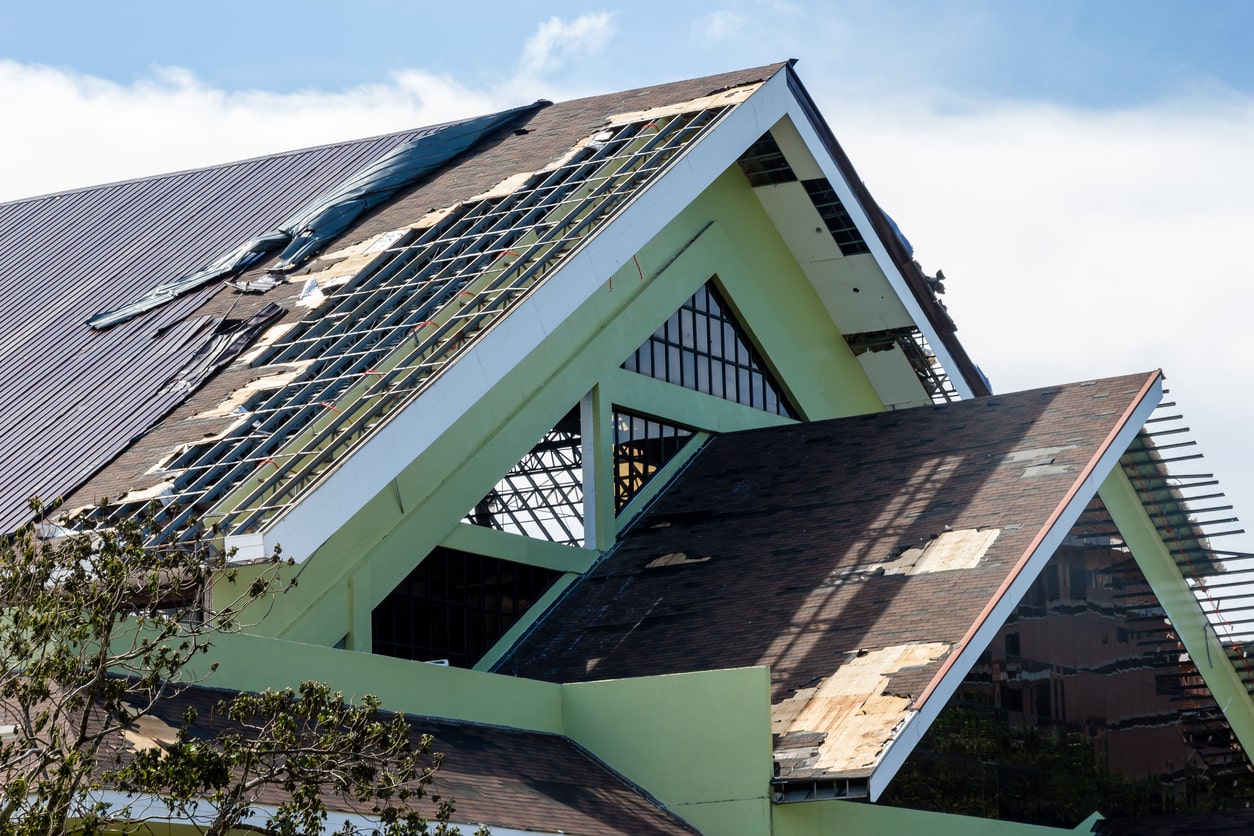
After a strong storm passes through Jonesboro, the damage to your roof is not always obvious from the yard. Hail can bruise asphalt shingles without leaving a visible hole, and wind can lift flashing just enough to let water in without tearing anything loose entirely. Knowing what to look for helps you catch problems before they turn into bigger repairs.
If your home was built in the 1980s or earlier, a storm does not have to be severe to reveal vulnerabilities. Worn shingles and aging underlayment leave older roofs with less to give when severe weather arrives.
Jonesboro storms regularly bring hail and straight-line winds that crack shingles, loosen ridge vents, and batter roof edges where trees overhang. These repairs address the specific damage patterns Georgia thunderstorms leave behind, not just surface-level fixes that leave hidden vulnerabilities intact.
Storm-loosened flashing around chimneys, vents, and roof gaps is one of the most common reasons water gets into your home after heavy rain. Resealing and resecuring these areas as part of storm repair keeps the places most likely to leak from becoming a repeat problem with every new storm.
When shingles are lifted or cracked, the underlayment beneath them often takes on moisture or tears before anyone notices. Replacing damaged underlayment during repair restores that layer of protection your roof depends on between the shingles and the roof deck.
For roofs that have already been through one serious storm, upgrading to impact-resistant shingles during repair is worth considering. These shingles are built to hold up better against hail and wind-driven debris, which matters in a market where severe weather rolls through more than once a season.
Georgia's weather does not let up, and roofs in Jonesboro feel that pressure across every season. Spring thunderstorms, summer hail, and fall remnants from the Gulf leave behind the kind of cumulative wear that catches up with a roof faster than most homeowners expect, especially on homes that were built a few decades ago. Getting storm damage repaired the first time correctly protects your home from the next round of heavy weather and keeps a manageable repair from growing into something far more expensive.
Paramount Roofing & Consulting is here to help homeowners in the Jonesboro area get their roofs back in solid shape after a storm, without pressure and without guesswork. If you noticed something after a recent storm or just want a roofing professional to take a closer look, reaching out is a simple first step. We will give you a clear picture of what your roof actually needs and handle the repair the right way.
Got questions about your roof? We’ve got answers. From maintenance tips to insurance claims and repair timelines, our FAQ section covers the most common concerns homeowners have. Get informed and make confident decisions about protecting your home.
It depends on the scale of the work. Targeted repairs like replacing a few shingles or resealing flashing typically do not require a permit, but full roof replacements and re-covering projects do fall under Clayton County's permit requirements. Having a roofer who knows where that line is matters, because unpermitted work that should have been permitted can create problems if you sell your home or file a claim later.
Yes, and it happens more often than people expect. Some storm damage, especially lifted flashing or bruised shingles, does not produce a leak right away. It takes a few good rainstorms to push water through the compromised area and show up inside your home. By then, the original damage may look minor on the surface while the issue underneath has already gotten worse.
The age of your roof and the condition of your underlayment are two of the biggest factors. Homes built in the 1980s or earlier often have shingles that were already near the end of their life before the storm hit, and new damage in those cases can reveal widespread wear that a patch will not fix. A full inspection after any storm is the best way to get a straight answer on whether targeted repairs will hold or whether the roof has simply reached the point where a full replacement makes more sense.


Our clients’ satisfaction speaks for itself! Read about their experiences with our quality service.
Don't wait to protect your home! Our team is ready to assist with all your roofing needs, so contact us now for expert service and peace of mind.
Our roofing experts are here for your help.

 (404) 971-2880