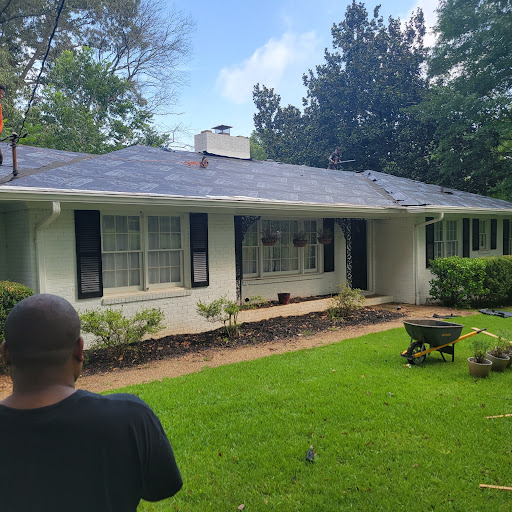
Quality Is Doing The Job Right, The First Time!

Quality Is Doing The Job Right, The First Time!
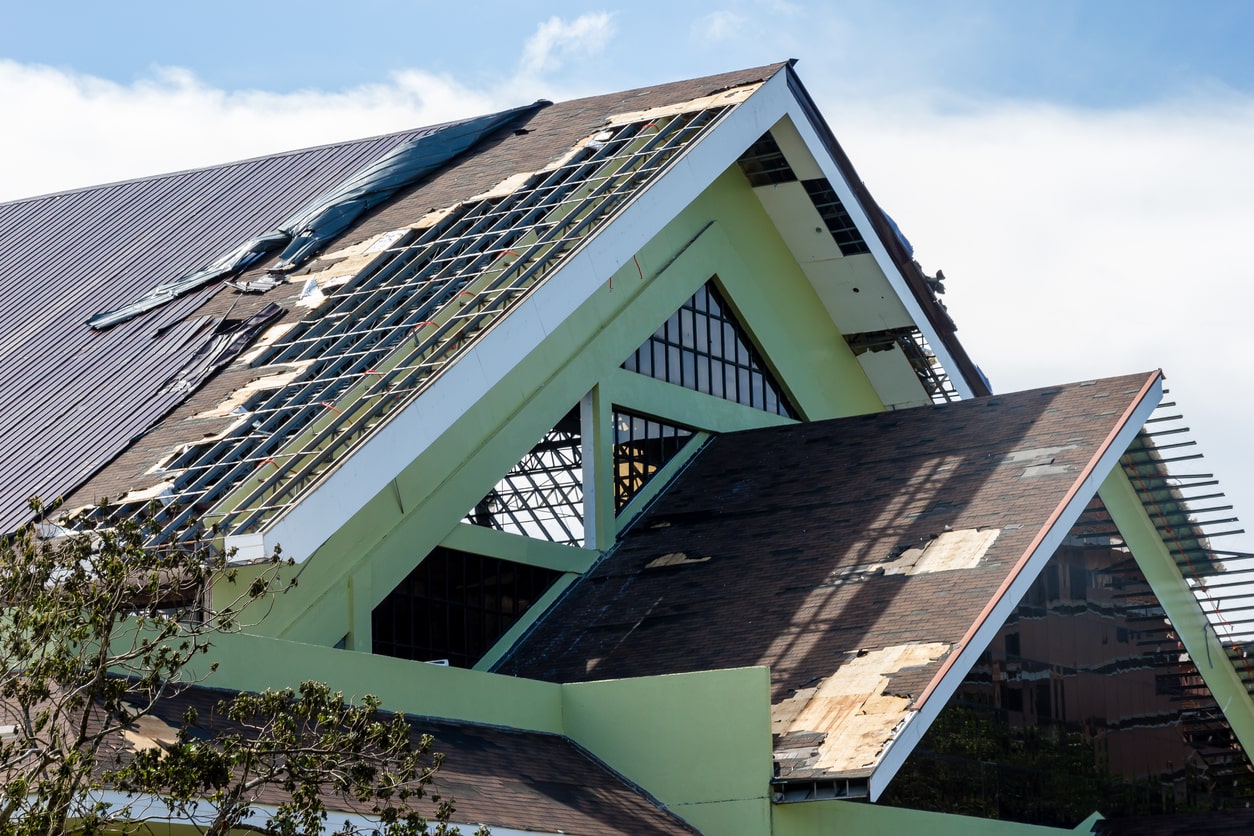
Powder Springs sits squarely in one of Georgia's most active storm corridors. From May through September, the area sees around 50 thunderstorm days each year, bringing high winds, driving rain, and hail that can lift shingles, crack materials, and break down the flashing seals around chimneys and roof gaps. Add in the relentless summer heat and humidity that quietly wear on roofing materials between storms, and your roof is under more pressure than most homeowners realize. The trouble is that a lot of this damage doesn't show up as an obvious hole or missing shingle. It shows up months later as a water stain on your ceiling or a soft spot in your attic insulation.
That's exactly why fast storm damage roof repair matters so much in this area. Small issues like a few lifted shingles or a cracked flashing seal might seem minor after a storm passes, but those entry points don't stay small when the next round of rain moves through. Granule buildup in your gutters, subtle bruising on shingle surfaces, and failing seals around vents are the kinds of details that only become obvious once water has already started working its way in.
Paramount Roofing & Consulting works specifically with homeowners in Powder Springs who need a contractor that understands local weather conditions and knows what to look for after a Georgia storm. A thorough inspection after any significant storm is the most reliable way to catch damage before it reaches your interior living space.
Storm damage can leave questions about what needs to be repaired and what condition your roof is actually in. Our process focuses on identifying the damage accurately, explaining the available solutions, and completing the necessary repairs with care.
Not all storm damage announces itself right away. In Powder Springs, some of the most serious roof problems develop quietly, well below what you can see from your yard or driveway. Knowing what to look for, both on the surface and out of sight, helps you understand why a professional inspection matters after any significant storm.
| Damage Type | Visible Indicators | Hidden Indicators |
|---|---|---|
| Shingle Damage | Missing, lifted, or cracked shingles | Bruised surfaces, thinning granules under shingles |
| Flashing Failure | Bent or separated flashing at the chimney or vents | Cracked sealant, gaps that allow water behind flashing |
| Granule Loss | Granule buildup is collecting in gutters | Thinned protective layer reducing wind uplift resistance |
| Impact Damage | Cracked or displaced shingles from fallen limbs | Internal shingle bruising from hail is not visible at ground level |
| Leaks | Water stains on ceilings or walls | Attic insulation damage, early wooden roof deck deterioration |
Because Georgia's storm season runs hot and long, damage that goes unaddressed between storms tends to add up quickly. A professional inspection catches both the surface-level issues and the problems that only reveal themselves once a trained eye gets up close on the roof.
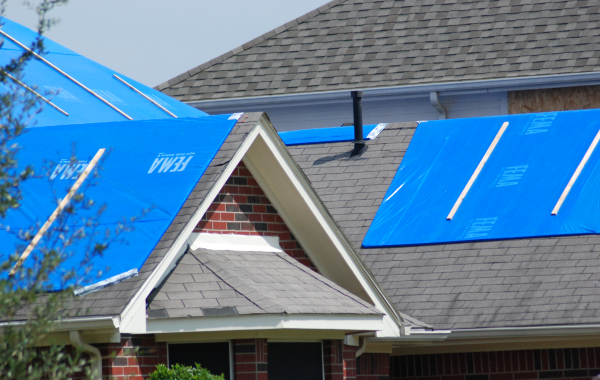
When a storm leaves your roof exposed, waiting days for a permanent repair isn't always an option. Emergency tarping creates a temporary barrier that keeps water out of your attic and away from your insulation until the full repair can be completed.
Chimneys, vents, and skylights are the spots where flashing seals fail most often after high winds and hail. Paramount addresses these gaps directly, resealing and replacing flashing where needed to close off the entry points that storms most commonly exploit.
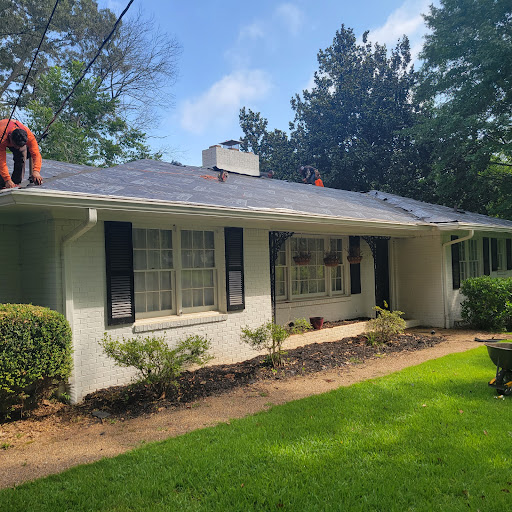
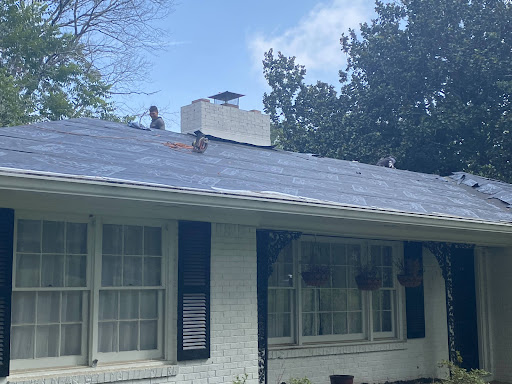
When shingles are lifted, cracked, or missing after a storm, replacements are matched as closely as possible to your existing roof in color and material weight. This keeps your roof performing as a unified system rather than leaving repaired areas with different wind uplift resistance than the surrounding field.
Hail that bruises asphalt shingles accelerates granule loss, which thins the protective layer your roof depends on during future storms. Addressing hail-impacted shingles early restores that protection before the next round of Georgia summer storms has a chance to make the damage significantly worse.
Georgia's storm season doesn't give roofs much of a rest, and the wear from repeated storms adds up faster than most homeowners expect. Getting storm damage repaired quickly protects your home from the kind of hidden deterioration that shows up as expensive interior repairs down the line. With peak storm activity running well into late summer, there's real value in addressing damage sooner rather than waiting to see if a small issue holds through another round of storms.
Paramount Roofing & Consulting is ready to inspect your roof and give you a clear picture of what's there and what needs to be done. If you've recently had significant weather move through your area, reaching out to get an inspection scheduled is a simple next step that gives you the information you need to make a confident decision for your home.
Got questions about your roof? We’ve got answers. From maintenance tips to insurance claims and repair timelines, our FAQ section covers the most common concerns homeowners have. Get informed and make confident decisions about protecting your home.
Granules are the protective layer on asphalt shingles that shields the underlying material from UV exposure and physical wear. When hail or high winds knock them loose, the shingle surface thins and becomes significantly more vulnerable to wind uplift during future storms. In an area like Powder Springs, where summer storm activity is frequent, that thinning can escalate from a minor issue to widespread shingle failure faster than most homeowners expect.
Waiting is one of the more common mistakes homeowners make after a Georgia storm. Small issues like a cracked flashing seal or a few lifted shingles give water a direct path into your roof deck, and each storm that follows pushes more moisture into that opening. By the time the damage becomes obvious inside your home, the repair typically involves far more than the original shingle or flashing work would have.
Powder Springs and the broader Atlanta metro area see hail impacts that leave bruising on shingle surfaces rather than clean breaks, which means the damage doesn't look serious from the ground but is actively weakening the shingle structure underneath. Local inspectors know to look at flashing around chimneys and roof gaps closely because the combination of high winds and thermal expansion from intense summer heat creates seal failures that a standard visual sweep can easily miss. Getting on the roof and checking those specific areas up close is the only reliable way to understand what a storm actually left behind.


Our clients’ satisfaction speaks for itself! Read about their experiences with our quality service.
Don't wait to protect your home! Our team is ready to assist with all your roofing needs, so contact us now for expert service and peace of mind.
Our roofing experts are here for your help.

 (404) 971-2880