Quality Is Doing The Job Right, The First Time!

Quality Is Doing The Job Right, The First Time!
Riverdale sits in the south metro Atlanta corridor, and the weather here does not go easy on roofs. Summers bring heat and humidity well into the 90s, and the area sees around 50 or more inches of rainfall spread throughout the year, with the heaviest storm activity running from late winter through early summer. Spring and summer thunderstorms in Clayton County frequently bring strong winds, hail, and heavy downpours in combination, which is rough on asphalt shingles, flashing, and the roof edges where wind damage tends to start. Older homes are common in Riverdale, and a roof that has already seen years of heat and rain does not need much to go from surface wear to an active leak after a strong storm.
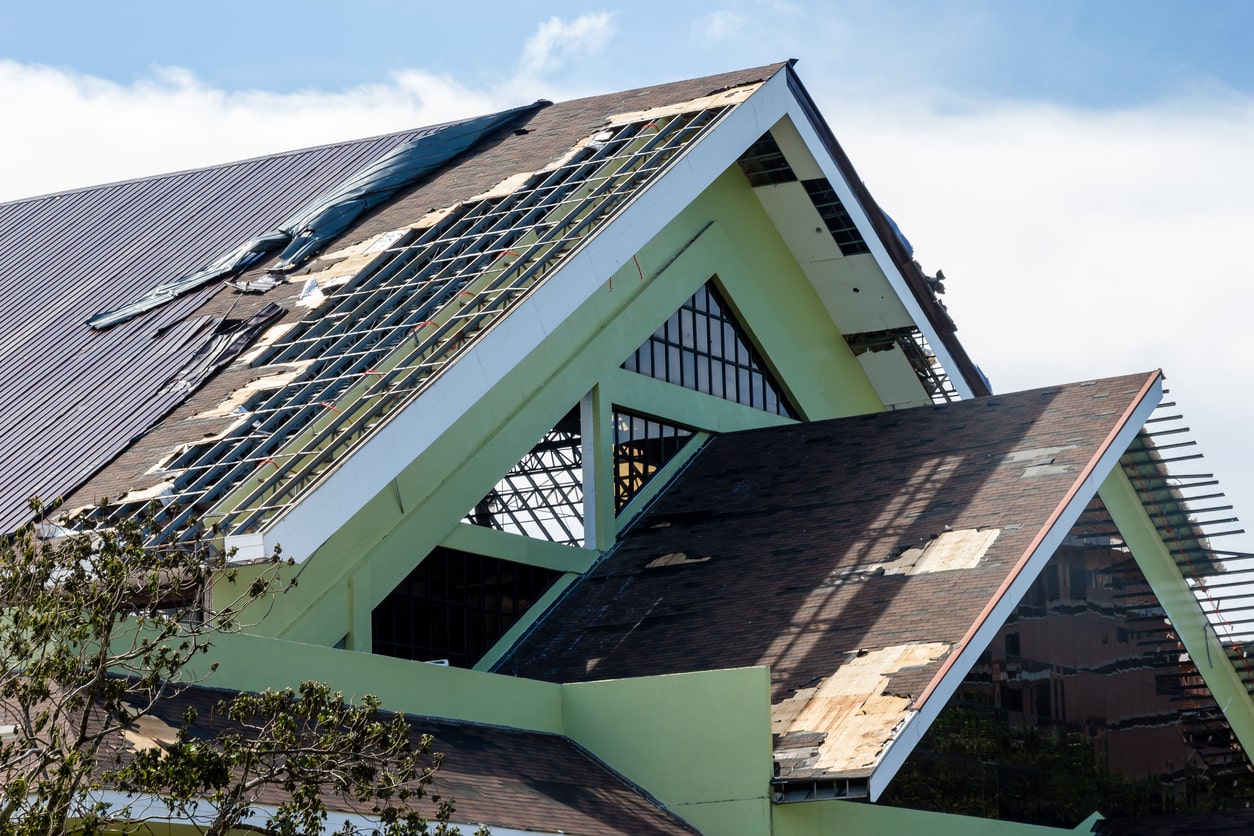
That is where Paramount Roofing & Consulting comes in. Storm damage rarely looks dramatic from the ground. Missing or lifted shingles, granule loss, separated flashing, and small gaps around roof gaps can let water in long before you notice anything inside your home. Getting a proper inspection after any storm is the right call, especially if your roof is more than a decade old and has already been through several Clayton County storm seasons.
The repairs themselves are direct and focused. Depending on what the inspection turns up, most standard storm repairs can be completed in a few hours to a full day. Catching the problem early keeps the work contained and protects the rest of your roof from the next round of rain.
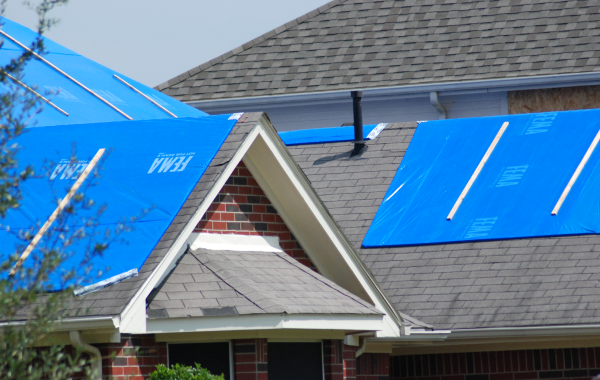
Storm damage can affect shingles, flashing, and other roof components without being obvious from the ground. Paramount Roofing & Consulting follows a step-by-step repair process that identifies the damage, explains the necessary work, and verifies the finished repair.
Storms in Clayton County can hit hard and fast, and the damage they leave behind is not always obvious right after the rain stops. Knowing where your roof is most likely to take a hit helps you understand what to look for and why a post-storm inspection matters, especially on a home that has been through a few decades of Georgia weather.
| Damage Type | What Causes It | Why It Gets Worse Fast |
|---|---|---|
| Shingle lift and tab separation | High winds pulling at shingle edges | Exposes underlayment to rain on the next storm |
| Granule loss | Hail impact or wind-driven debris | Leaves shingles unprotected from UV and rain |
| Flashing separation | Wind stress on aging sealant around chimneys, vents, and edges | Creates direct leak pathways along roof gaps |
| Cracked or failed sealant | Repeated temperature changes wearing down older materials | Allows water behind flashing and around pipe boots |
| Underlayment compromise | Storm-lifted shingles leaving gaps | Moisture reaches the roof deck before leaks appear inside |
Older roofs are especially vulnerable to these failure points because sealants and shingle adhesion weaken over time. A storm that a newer roof handles without issue can open up real problems on a roof that has already seen years of heat, humidity, and repeated storm stress.
When shingles are torn off or cracked by wind and hail, they are replaced with materials that match your existing roof in weight, texture, and color as closely as possible. This keeps your roof looking consistent while restoring the protection that was lost during the storm.
Pipe boots, vent collars, and chimney flashing are some of the first places water finds a way in after a storm loosens aging sealant or shifts the metal. These areas are reseated or replaced and resealed so they can hold up against Riverdale’s heavy rain without becoming a recurring leak source.
When lifted or missing shingles leave the underlayment exposed, that layer can absorb moisture long before a leak shows up inside your home. Where underlayment has been torn or saturated, it’s addressed as part of the repair so your roof deck is not sitting under damaged material going into the next storm season.
Wind damage on Riverdale homes often starts at the roof edges, where shingles and drip edge are most exposed to gusts that come with spring and summer thunderstorms. Damaged or lifted drip edge is corrected during the repair to close off one of the most common entry points for water running down the roofline after heavy rain.
Georgia’s warm seasons bring the kind of weather that tests every roof, and Riverdale homes deal with that stress year after year. Heat, humidity, and repeated rounds of wind and rain wear roofing materials down gradually, which means a storm does not have to be catastrophic to leave real damage behind. Getting repairs handled while the problem is still contained protects the rest of your roof, keeps your home dry through whatever comes next, and avoids the kind of repair bills that come with letting moisture reach your roof deck and framing.
If your roof has been through a recent storm and you are not sure what it looks like up close, that is exactly the right time to have someone take a look. Paramount Roofing & Consulting is ready to help Riverdale homeowners get a clear picture of where things stand and take care of what needs to be fixed. Reach out when you are ready, and we will take it from there.
Got questions about your roof? We’ve got answers. From maintenance tips to insurance claims and repair timelines, our FAQ section covers the most common concerns homeowners have. Get informed and make confident decisions about protecting your home.
Yes, and this is something a lot of homeowners do not think about until they see the damage spread. Once a storm lifts shingles or separates flashing, Riverdale’s humidity moves into those gaps and stays there, keeping the underlying materials damp between rainstorms. That ongoing moisture exposure accelerates wood rot, encourages mold growth in the attic, and breaks down underlayment faster than it would in a drier climate. Getting repairs done quickly after a storm reduces how much work the humidity can do in the meantime.
It can, because older roofs often have sealants and shingle adhesion that have already weakened from years of Georgia heat and rain cycles. When a storm stresses those materials, the damage sometimes extends beyond what is immediately visible, with cracked sealant or brittle underlayment turning up around the same areas that took the direct hit. A thorough inspection on an older roof looks at the surrounding materials too, not just the obvious damage, because repairs done in isolation can miss what the storm exposed nearby.
Hail bruising on asphalt shingles is not always obvious from the ground, and smaller hail can cause granule loss and soft spots on shingles without leaving the kind of visible dents or cracks that catch your eye during a walk-by. Clayton County sits in a corridor where hail lines from spring and summer thunderstorms can be narrow, meaning one side of a street may have taken a hit while the other showed nothing. If a strong storm moved through your area, having your roof inspected is the only reliable way to know whether hail contact occurred and what condition your shingles are in after the fact.


Our clients’ satisfaction speaks for itself! Read about their experiences with our quality service.
Don't wait to protect your home! Our team is ready to assist with all your roofing needs, so contact us now for expert service and peace of mind.
Our roofing experts are here for your help.

 (404) 971-2880