Quality Is Doing The Job Right, The First Time!

Quality Is Doing The Job Right, The First Time!
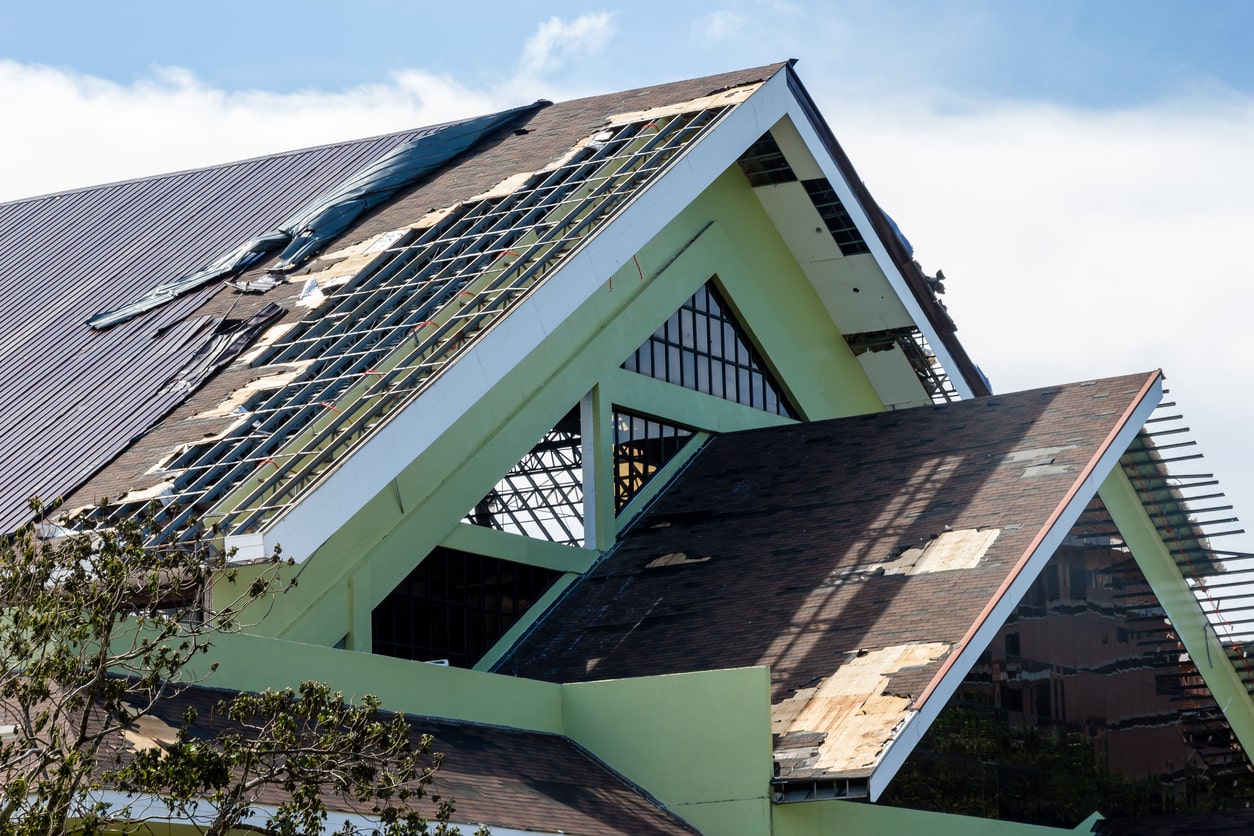
Union City sits in a part of the Atlanta metro that sees its fair share of rough weather. Spring and summer bring regular thunderstorms capable of driving high winds and hail across entire neighborhoods in a matter of minutes. With around 50 inches of rain spread throughout the year and summer storms that can pack a serious punch, your roof takes a beating well beyond what most homeowners realize. The problem is that storm damage does not always show up as an obvious interior leak right away. Granule loss, lifted shingles, and bent flashing can quietly undermine your roof for weeks or months before water finds its way inside.
Older homes in Union City are especially worth watching after a major storm. Many were built with 3-tab shingles that are more vulnerable to wind uplift than the architectural shingles commonly installed today. When those shingles take a hit from hail or high winds, the damage may look minor on the surface while the underlayment and the roof deck beneath are already starting to break down. Catching those issues early is the difference between a straightforward repair and a much larger, more expensive project down the road.
Paramount Roofing & Consulting works with homeowners across Union City to inspect roofs after storms, identify what actually needs attention, and complete repairs that hold up to the local weather patterns year after year. The goal is always an honest read on your roof's condition and work done to code.
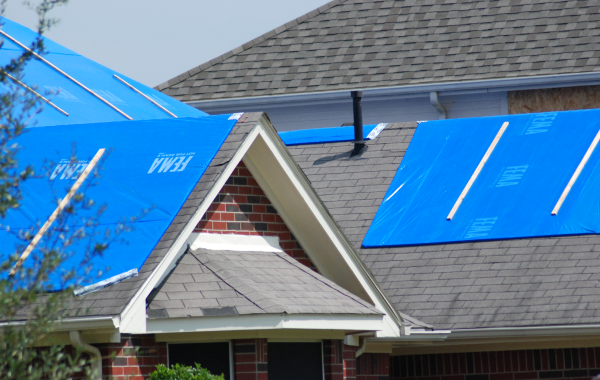
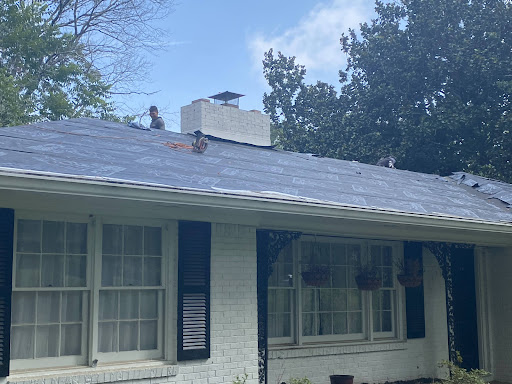
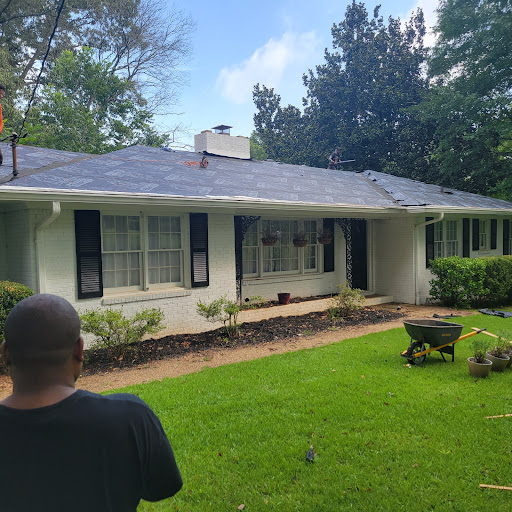
Storm damage can affect multiple parts of a roof, and some problems may not be obvious from the ground. Paramount Roofing & Consulting works through the damage systematically so the necessary repairs are identified, explained, and checked once completed.
Union City's weather keeps roofs under steady pressure across multiple seasons, and storm damage rarely announces itself in obvious ways. Knowing what to look for after a wind or hail storm can help you catch problems before they turn into something much more expensive to fix.
| Damage Type | What Causes It | Why It Matters |
|---|---|---|
| Granule loss on shingles | Hail impact or high-wind abrasion | Exposes the asphalt layer to UV and rain, shortening shingle life |
| Lifted or missing shingles | Wind uplift, especially on older 3-tab roofs | Opens gaps where water and wind can reach the underlayment and roof deck |
| Damaged or displaced flashing | Straight-line winds and wind-driven rain | Allows water to work into seams around vents, chimneys, and roof edges |
| Dented or cracked vent covers | Hail strikes | Can break the seal and allow water to enter the roofing system |
| Soffit and fascia board damage | Debris impact or high winds | Affects the roof edge’s structural integrity and can allow moisture into the structure |
Many of these issues do not cause interior leaks right away, which is why a complete inspection after any storm makes sense. Catching damage at the surface level is almost always less expensive than addressing what happens after water reaches the roof deck.
Wind-driven rain is one of the more persistent problems Union City roofs face after a storm, and flashing is often where water finds its way in first. We repair or replace flashing around chimneys, pipe boots, vents, and roof edges using materials sized to match your existing system so nothing is left vulnerable when the next storm rolls through.
When hail or high winds push past the shingle layer, the underlayment and roof deck can take damage that is easy to miss from the ground. We address those underlying layers directly when storm impacts go beyond surface shingles, which protects your home's structure and keeps repairs from becoming a bigger problem later.
One of the more overlooked parts of storm repair is making sure replacement shingles actually match what is already on your roof in terms of style, color, and profile. A repair that stands out visually or uses the wrong shingle type can affect both the curb appeal and the long-term performance of the repaired area, so we take the time to source materials that work with your existing roofing system.
Depending on the extent of storm damage, certain repairs in Fulton County require permits and inspections before work can be signed off. We handle repairs to meet local code requirements so your roof is not only fixed properly but also documented correctly, which matters if questions come up about the work down the road.
Georgia weather does not take a break between seasons, and roofs in the area feel that throughout the year. Between spring and summer thunderstorms that bring hail and high winds, and a rainy fall and winter that test every seam and flashing joint, even a small area of unaddressed damage can work its way into something much larger over time. Getting repairs done after a storm protects your home, keeps your repair costs from growing, and gives you confidence in your roof heading into the next stretch of rough weather.
If your roof has taken a hit from a recent storm or you just want a clear picture of where things stand, Paramount Roofing & Consulting is ready to help. Reach out when you are ready, and we will get a roofer out to take a look, walk you through what we find, and make sure you have the information you need to move forward.
Got questions about your roof? We’ve got answers. From maintenance tips to insurance claims and repair timelines, our FAQ section covers the most common concerns homeowners have. Get informed and make confident decisions about protecting your home.
Interior leaks are usually one of the last signs of storm damage, not the first. Granule loss on shingles, lifted edges, dented vent covers, and displaced flashing can all allow water to slowly work toward your roof deck long before you notice anything on your ceiling. A post-storm roof inspection catches those issues at the surface level, which is far less expensive to address than damage that has had time to reach the structure underneath.
It does, and older roofs with 3-tab shingles tend to be the most vulnerable because that shingle style has less wind resistance than the architectural shingles that are standard on most roofs installed in the last couple of decades. Years of sun, humidity, and heavy rainfall also dry out and weaken the sealant strips along shingle edges, making it easier for wind to get underneath them even in a storm that might leave a newer roof untouched. If your roof is older, it’s worth getting a closer look after any wind or hail storm.
When storm repairs involve replacing roof covering across a large area or addressing damage to the structural roof deck, Fulton County typically requires a permit and inspection before the work can be officially closed out. This matters more than most homeowners realize because unpermitted work can create problems if you sell your home or have questions about the repair later. A reputable contractor handles the permit process as part of the job so everything is documented correctly from the start.


Our clients’ satisfaction speaks for itself! Read about their experiences with our quality service.
Don't wait to protect your home! Our team is ready to assist with all your roofing needs, so contact us now for expert service and peace of mind.
Our roofing experts are here for your help.

 (404) 971-2880