Quality Is Doing The Job Right, The First Time!

Quality Is Doing The Job Right, The First Time!
Villa Rica sits in the heart of west Georgia, where warm, humid summers and unpredictable seasonal swings put real pressure on residential roofing year after year. The heat alone can work against your roof faster than most homeowners expect, loosening sealants, accelerating shingle aging, and creating small gaps around chimneys, vents, and flashing that let moisture in. Add the frequent rain that moves through Carroll County and the occasional cold snap that cracks caulk and lifts shingle edges, and even a relatively new roof can develop weak points that grow into leaks before you notice anything inside the house.
That's why catching problems early matters so much in this area. A minor flashing failure or a handful of damaged shingles might seem easy to put off, but in a climate this wet, small defects tend to move fast. Water finds its way under roofing materials, works into the roof decking, and can turn a straightforward repair into something much more involved. Paramount Roofing & Consulting works with homeowners across Villa Rica and surrounding communities, including Bremen, Carrollton, Temple, and Douglasville, and the pattern is consistent: the repairs that stay simple are the ones that get handled quickly.
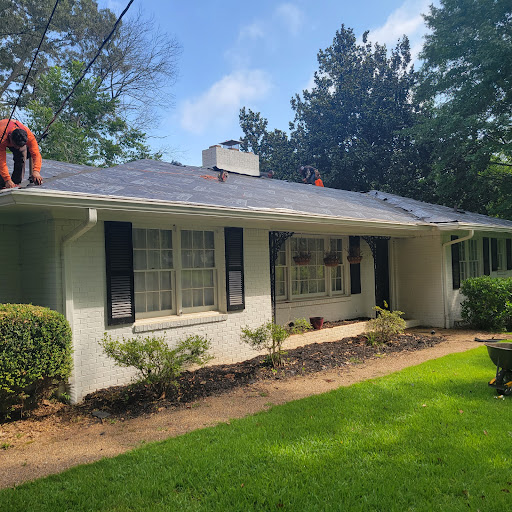
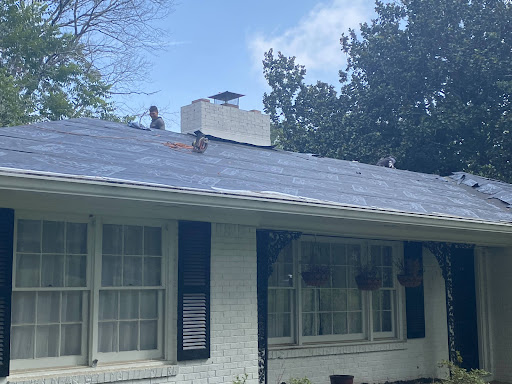
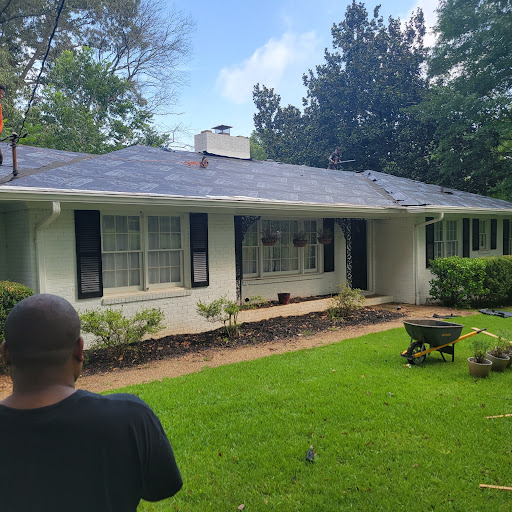
Professional residential roof repair means more than patching a visible problem. It means inspecting the surrounding area, identifying what caused the damage, and making sure the fix holds up against the same weather conditions that created the issue in the first place.
Hiring a roofer is easier when each stage is laid out clearly in advance. Here is how residential roof repair is handled from first inspection through completion.
Most residential roof repairs in West Georgia come down to a handful of recurring problems. The warm, humid conditions here are hard on roofing materials over time, and knowing what to watch for can help you catch a small issue before it turns into a bigger one.
| Repair Issue | Common Cause | Why It Matters |
|---|---|---|
| Damaged or missing shingles | Wind, heat exposure, and age-related wear | Exposed roof decking allows moisture to enter quickly in wet conditions |
| Flashing failures | Sealant breakdown, expansion and contraction from temperature changes | Gaps around chimneys, vents, and roof edges are frequent leak points |
| Cracked or loose sealants | Repeated heat cycles drying out materials over summer | Small cracks let water work under roofing materials before damage is visible inside |
| Leaks around gaps | Worn seals at skylights, pipe boots, and vent collars | Gaps are among the most vulnerable spots on any residential roof |
Older suburban homes in Villa Rica are especially prone to these issues as materials age and original sealants break down. The good news is that most of these repairs are straightforward when addressed early. Waiting tends to be the one thing that turns a simple fix into a more involved job, particularly after heavy rain moves through the area.
Whether your roof has a few cracked shingles, a section lifted by wind, or granule loss from years of summer heat, repairs are handled at the shingle level rather than defaulting to broader work. Targeting only what's damaged keeps your repair focused and protects the rest of your roof from unnecessary disruption.
Chimney bases, pipe boots, vent collars, and roof edges get specific attention when flashing has separated or sealant has broken down. Properly secured flashing is one of the most reliable ways to keep water out of your home in a climate with as much rain as West Georgia sees.
If damaged shingles or failed flashing have allowed moisture to reach the roof decking beneath, that area gets inspected before the surface repair is completed. Addressing any soft spots or compromised underlayment at the same time prevents hidden damage from continuing to develop under a freshly repaired surface.
Replacement shingles and sealants are selected to match what's already on your roof as closely as possible in terms of type, weight, and color. This keeps the repaired area from standing out visually and ensures the materials perform consistently with the rest of your roof over time.
West Georgia weather doesn't give your roof much of a break. The heat and moisture that move through this area summer after summer gradually work against even well-maintained roofing materials, and the occasional cold spell in between only adds to the wear. Staying ahead of that means taking small repairs seriously before they have a chance to reach your roof decking or the interior of your home. Protecting your property and your family's comfort doesn't require a full replacement in most cases. It just requires attention before a minor issue grows into something more involved.
If something on your roof has caught your attention, or if it's simply been a while since anyone took a close look, Paramount Roofing & Consulting is glad to help. We work with homeowners across Villa Rica and the surrounding area and are happy to answer questions, talk through what you're seeing, or schedule an inspection at a time that works for you. Reach out whenever you're ready.
Got questions about your roof? We’ve got answers. From maintenance tips to insurance claims and repair timelines, our FAQ section covers the most common concerns homeowners have. Get informed and make confident decisions about protecting your home.
In west Georgia, yes, and faster than most homeowners expect. High summer temperatures cause roofing materials to expand, which can pull a small gap or lifted shingle edge open further, giving rain an easier entry point. Combined with the frequent rain that moves through Carroll County, even a minor defect can allow moisture to reach your roof decking within a single season if it goes unaddressed.
For routine repairs like replacing a few shingles or resealing flashing, a permit is typically not required. Larger repairs that involve structural work or significant roof decking replacement may fall under local building code requirements in Carroll County. If your repair is more extensive, your contractor should be able to tell you upfront whether a permit applies before work begins.
Pipe boots and vent collars are the most commonly missed trouble spots, and they tend to fail quietly. The rubber seals around these gaps dry out and crack under repeated heat exposure, but because they are not visible from the ground and not near the obvious problem areas like chimneys or gutters, they rarely get checked until water shows up inside. In a humid climate with as much annual rainfall as this region sees, a cracked pipe boot can push a surprising amount of water into your attic before you ever notice a stain on the ceiling.


Our clients’ satisfaction speaks for itself! Read about their experiences with our quality service.
Don't wait to protect your home! Our team is ready to assist with all your roofing needs, so contact us now for expert service and peace of mind.
Our roofing experts are here for your help.

 (404) 971-2880