(404) 971-2880

Georgia’s climate presents unique challenges for roofing systems, with intense humidity, heavy rainfall, and severe storm conditions testing the structural integrity of every home’s protective barriers. Roof flashing serves as an important line of defense at vulnerable points where water can leak in and cause extensive damage. Understanding which roof flashing types and materials perform best in Georgia’s weather patterns makes the difference between a roof that protects for decades and one that fails prematurely.
The right flashing selection directly impacts a home’s ability to withstand the state’s climate. Metal roof flashing options, particularly copper and aluminum varieties, offer superior durability against moisture and temperature fluctuations common throughout Georgia. Installing roof flashing properly at chimneys, valleys, and roof gaps prevents the expensive water damage that affects thousands of Georgia homeowners each year.
Chimney and valley flashing require special attention, as these areas collect the most water during heavy storms and prolonged rainstorms that characterize the region’s weather patterns.
Essential Flashing Materials That Stand Up to Georgia Weather
Choosing between aluminum, copper, and galvanized steel for roof flashing requires understanding how each material responds to Georgia’s humidity and temperature swings. Aluminum flashing resists corrosion effectively in humid Southern climates and expands minimally during seasonal temperature changes, making it a reliable choice for preventing roof leaks with flashing. Copper offers superior longevity and naturally resists moisture damage, though its higher cost reflects its exceptional durability in areas with heavy rainfall.
Galvanized steel provides strength and affordability among metal roof flashing options, but the protective zinc coating can deteriorate faster under constant moisture exposure, common in Georgia. Stainless steel presents another alternative with excellent corrosion resistance, particularly beneficial for chimney and valley flashing, where water concentration is highest.
The material selection impacts performance against Georgia’s seasonal extremes, from summer heat exceeding 90 degrees Fahrenheit to winter freezes that can cause expansion and contraction cycles. Properly installed roof flashing using materials matched to local climate conditions creates a barrier that withstands years of exposure without premature deterioration or failure.
Important Types of Flashing Every Georgia Homeowner Should Know About
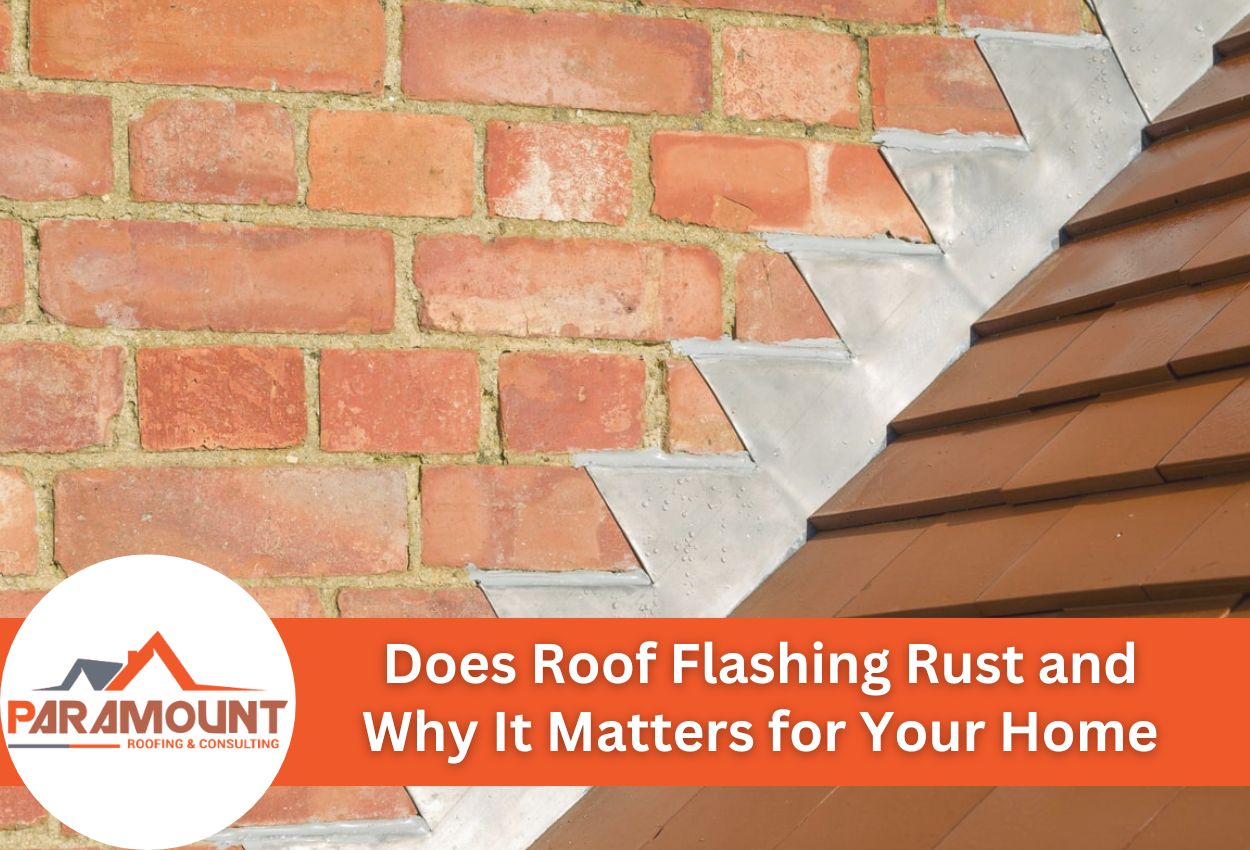
Step flashing protects the intersection where a roof meets vertical walls, with individual pieces interwoven between shingles to channel water downward without allowing lateral leaks. This roof flashing type proves particularly valuable around dormers and sidewalls common in Georgia architecture. Drip edge flashing installed along roof edges directs water away from fascia boards and prevents moisture from working underneath roofing materials during heavy rainstorms, typical throughout the region.
Continuous flashing, also called apron flashing, covers longer wall-to-roof junctions where step flashing would prove impractical. Understanding these roof flashing types and materials helps identify which application suits specific areas of a home’s structure. Chimney and valley flashing require specialized attention since these locations handle concentrated water flow during storms. Valley flashing channels rainfall from two roof planes meeting at an angle, while chimney installations require counter flashing and base flashing working together to seal the leak.
Georgia homes with skylights, vent pipes, and decorative cupolas need custom flashing solutions addressing each architectural feature’s vulnerability points. Installing roof flashing properly around these elements prevents water intrusion that leads to interior damage. Metal roof flashing options provide durability for these applications, with material selection depending on the specific exposure and surrounding roofing materials used throughout the structure.
Valley Flashing Solutions for Managing Georgia’s Heavy Rainfall
Open valley methods allow water to flow down an exposed metal channel between two roof planes, providing excellent drainage capacity during Georgia’s intense thunderstorms and prolonged rainy seasons. This approach handles high water volume effectively since the visible metal pathway prevents debris accumulation and allows rapid runoff. Closed valley systems conceal the flashing beneath shingles that meet along the valley centerline, creating a more uniform appearance but potentially restricting water flow during extreme weather.
For Georgia’s climate, open valleys using metal roof flashing options typically outperform closed systems when managing the state’s heavy rainfall patterns. The exposed metal channel in open valleys accommodates larger water volumes without creating backup that could force moisture under roofing materials. Installing roof flashing properly in valleys requires selecting materials with appropriate width and profile to match the roof pitch and expected water weight during peak storm conditions. A professional roof inspection can help identify whether valley flashing is properly installed and capable of handling heavy storm water.
Valley flashing materials should include corrosion-resistant metals like aluminum or copper that withstand constant water exposure without deteriorating. The flashing profile must extend sufficiently up each roof plane to prevent water from migrating sideways under shingles during wind-driven rain common in Georgia storms. Preventing roof leaks with flashing in valleys depends on proper underlayment installation and secure fastening methods that maintain watertight properties through years of thermal expansion and weather cycles. Prompt roof leak repair can address water intrusion before minor flashing issues lead to more extensive damage.
Protecting Chimneys and Roof Gaps from Water Intrusion
Chimneys represent one of the most vulnerable points for water entry on Georgia roofs due to their large profile and exposure to weather from multiple angles. A complete chimney flashing system incorporates base flashing installed where the chimney meets the surface of the roof, counter flashing embedded into chimney masonry that overlaps the base layer, and cap flashing that seals the top edges. This multi-layer approach creates redundant protection against moisture that might otherwise leak in during Georgia’s frequent heavy rainfall and wind-driven storms.
Base flashing consists of L-shaped pieces bent to cover the joint between roofing material and chimney structure, with one leg extending up the chimney side and the other lying flat across shingles. Counter flashing pieces fit over the base layer and tuck into mortar joints, preventing water from running behind the base flashing during rainstorms. Installing roof flashing properly around chimneys requires careful measurement and cutting to ensure tight fits without gaps where moisture could infiltrate.
Roof gaps like plumbing vents, exhaust pipes, and skylights need specialized flashing boots or collars designed for each specific fixture type. Rubber or metal boots seal circular vent pipes with flexible material that accommodates thermal movement while maintaining watertight contact. Skylight installations require stepped flashing integrated with the window frame and roofing layers to direct water around rather than into the opening. These gaps commonly cause moisture problems in Georgia homes when flashing deteriorates or was never installed correctly during initial construction.
Installation Practices That Ensure Long-Term Flashing Performance
Proper overlapping technique forms the foundation of effective flashing installation, with each piece positioned to shed water downward and outward away from vulnerable seams. Upper flashing layers must overlap lower sections by at least 3 inches to prevent water from working backward under the protection during Georgia’s wind-driven rainstorms. Step flashing pieces should integrate with each shingle course rather than sitting on top of completed roofing, ensuring water flows over rather than behind the protective barrier.
Fastening methods significantly impact how well flashing withstands Georgia’s severe weather, with screws or nails placed in locations that avoid creating gap points where water can enter. Fasteners should secure flashing to solid roof decking rather than just into shingles, providing stability during high winds common during summer thunderstorms and tropical systems. Sealant application at important joints and seams adds another defense layer, though relying exclusively on caulking without proper mechanical attachment leads to premature failure as sealants degrade under UV exposure and temperature fluctuations.
Common installation mistakes include insufficient overlap distances, using incompatible metals that create galvanic corrosion, and failing to account for thermal expansion in long flashing runs. Contractors sometimes reverse the proper layering sequence, placing flashing under materials that should actually sit beneath it. Homeowners should verify that their contractor follows manufacturer specifications for installing roof flashing properly and uses appropriate materials for each application rather than attempting one-size-fits-all solutions that compromise performance in Georgia’s tough climate conditions.
Maintaining Roof Flashing in Georgia’s Climate
Regular flashing inspections protect Georgia homes from water damage by identifying problems before minor issues become major repairs. Homeowners should examine flashing twice a year during spring and fall, with additional checks following severe storms or hurricane activity. Visual signs of deterioration include rust spots on metal surfaces, gaps between flashing and adjacent materials, lifted edges where wind has loosened fasteners, and deteriorating sealant that has cracked or pulled away from joints.
Preventive maintenance extends flashing life by addressing Georgia’s humidity and weather extremes proactively. Clearing debris from valleys and around chimney bases prevents moisture accumulation that accelerates metal corrosion. Applying fresh sealant to joints showing separation maintains watertight properties between professional evaluations. Checking that step flashing remains properly integrated with shingles ensures each piece continues directing water downward rather than allowing leaks during heavy rainfall.
Georgia’s combination of intense summer heat, high humidity, and periodic freezing creates expansion cycles that loosen fasteners and open gaps in flashing systems over time. Monitoring these vulnerable areas helps catch deterioration early, particularly around chimney and valley flashing, where water concentration is highest. Addressing small separations or loose sections immediately prevents the progressive damage that occurs once moisture begins leaking beneath roofing materials and into structural components.
Ensure Your Georgia Home’s Durability with Paramount Roofing & Consulting
Choosing the right roof flashing is important for protecting your Georgia home from the harsh weather elements it faces throughout the year. At Paramount Roofing & Consulting, we understand the importance of installing the best roof flashing that not only prevents water damage but also enhances the longevity of your roof. Our expert team specializes in selecting and installing the most effective flashing materials like aluminum, copper, and galvanized steel, tailored to withstand Georgia’s intense humidity and rainfall.
Don’t let improper flashing compromise your home’s structural integrity. Contact Paramount Roofing & Consulting today at 678-905-4165 to ensure your roof is equipped with the best defense against Georgia’s tough climate. Let us help you choose the right flashing materials and installation techniques that provide lasting protection and peace of mind.