(404) 971-2880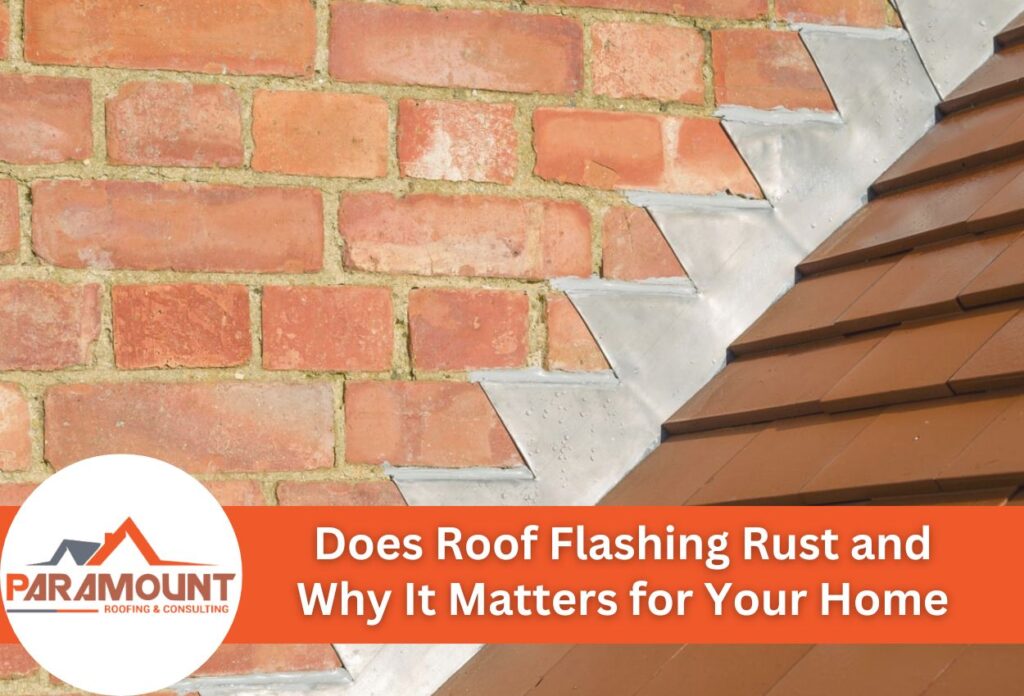

Roof flashing protects your home against water damage, directing moisture away from vulnerable areas where different roofing materials meet. These thin pieces of metal create waterproof barriers around chimneys, vents, skylights, and roof valleys. Without properly functioning flashing, water can seep into your home’s structure, causing expensive damage to walls, insulation, and foundations.
The question of whether roof flashing will rust or corrode depends entirely on the material used during installation, as only iron alloys like steel truly rust over time. Galvanized steel flashing, while affordable and commonly used, will eventually rust when its protective zinc coating wears away. This process typically accelerates in areas with high humidity, frequent rain, or coastal air.
Understanding if various flashing materials are susceptible to rust or corrosion helps homeowners plan roof maintenance throughout the year. Signs of rusted roof flashing include visible orange or brown staining, flaking metal, and water stains on interior walls or ceilings. Preventing roof flashing corrosion requires choosing the appropriate materials for your climate and regularly inspecting your roof to catch problems before they cause structural damage.
Common Types of Roof Flashing Materials and Their Rust Resistance
Knowing the different types of roof flashing materials available helps property owners make smart choices about rust prevention and long-term protection. Each material has varying levels of rust and corrosion resistance based on its composition and protective coatings.
Galvanized steel is popular for roof flashing due to its affordability and strength. This material features a zinc coating that provides temporary rust protection. However, once the coating deteriorates, the underlying steel becomes vulnerable.
Aluminum flashing offers superior rust resistance since aluminum naturally forms a protective oxide layer. This lightweight material resists weathering and maintains its integrity longer than galvanized steel, making it an excellent middle-ground option. Copper flashing represents the premium choice for rust resistance because it naturally resists corrosion and develops a patina over time, which strengthens its weather resistance. Property owners should consider their local climate, budget, and long-term maintenance preferences when selecting flashing materials for optimal protection.
Galvanized Steel Flashing: Lifespan and Risk of Rust
As mentioned in the last section, the flashing material directly affects its susceptibility to rust. For galvanized steel, the zinc coating applied during manufacturing provides initial protection against rust, but once this barrier deteriorates, the underlying steel becomes vulnerable to corrosion. The thickness of the zinc coating, quality of installation, and exposure to moisture all influence how quickly galvanized steel flashing begins to deteriorate.
Galvanized steel flashing typically lasts between 15 and 30 years, though many things can impact this timeframe. Environmental conditions play a crucial role in determining when galvanized steel will start corroding. Areas with frequent temperature fluctuations, high humidity levels, and extended moisture exposure accelerate the breakdown of protective zinc coatings. Plus, poor drainage around flashing can trap water against the metal surface, creating ideal conditions for rust formation.
Atlanta’s climate challenges the durability of galvanized steel flashing throughout the year. The region’s high humidity levels, frequent thunderstorms, and hot summers can reduce the expected lifespan of galvanized materials. Heavy rainfall during spring and summer months increases moisture exposure, while the humid subtropical climate maintains conditions that promote corrosion year-round.
Preventing roof flashing rust and corrosion requires understanding these environmental factors and conducting regular inspections. Property owners should examine their flashing annually for early signs of deterioration, such as white chalky deposits or small rust spots, which indicate the protective barrier is failing and replacement may be necessary.
Copper vs. Aluminum Flashing: Performance and Lifespan Differences
When evaluating copper vs. aluminum flashing options, rust and corrosion resistance are the primary differentiators between these two popular materials. Copper flashing offers exceptional corrosion resistance due to its natural properties, developing a protective patina over time that actually enhances its durability. This green-colored oxidation layer shields the underlying metal from further deterioration, making copper virtually immune to deterioration that affects steel-based materials.
Aluminum flashing provides excellent rust resistance through its natural oxide coating, which forms immediately upon exposure to air. Unlike galvanized steel flashing, aluminum maintains its protective barrier throughout its service life. The material resists corrosion in most climates, though it can experience pitting or white corrosion in certain environmental conditions.
Weight considerations significantly impact installation processes for both materials. Aluminum flashing weighs less than copper, making it easier to handle during installation and reducing structural load. This lightweight characteristic simplifies roof work and allows for faster installation times. On the other hand, copper’s heavier weight requires more support but provides superior wind resistance once properly installed.
Long-term maintenance requirements differ substantially between these types of roof flashing materials. Copper typically requires minimal maintenance beyond periodic inspections, often lasting over 50 years without needing replacement. Aluminum flashing needs more frequent monitoring for signs of damage, particularly around fastener points where dissimilar metals may create galvanic corrosion. Both materials require proper installation techniques to prevent corrosion and maximize their protective capabilities.
Early Warning Signs Your Roof Flashing is Starting to Rust
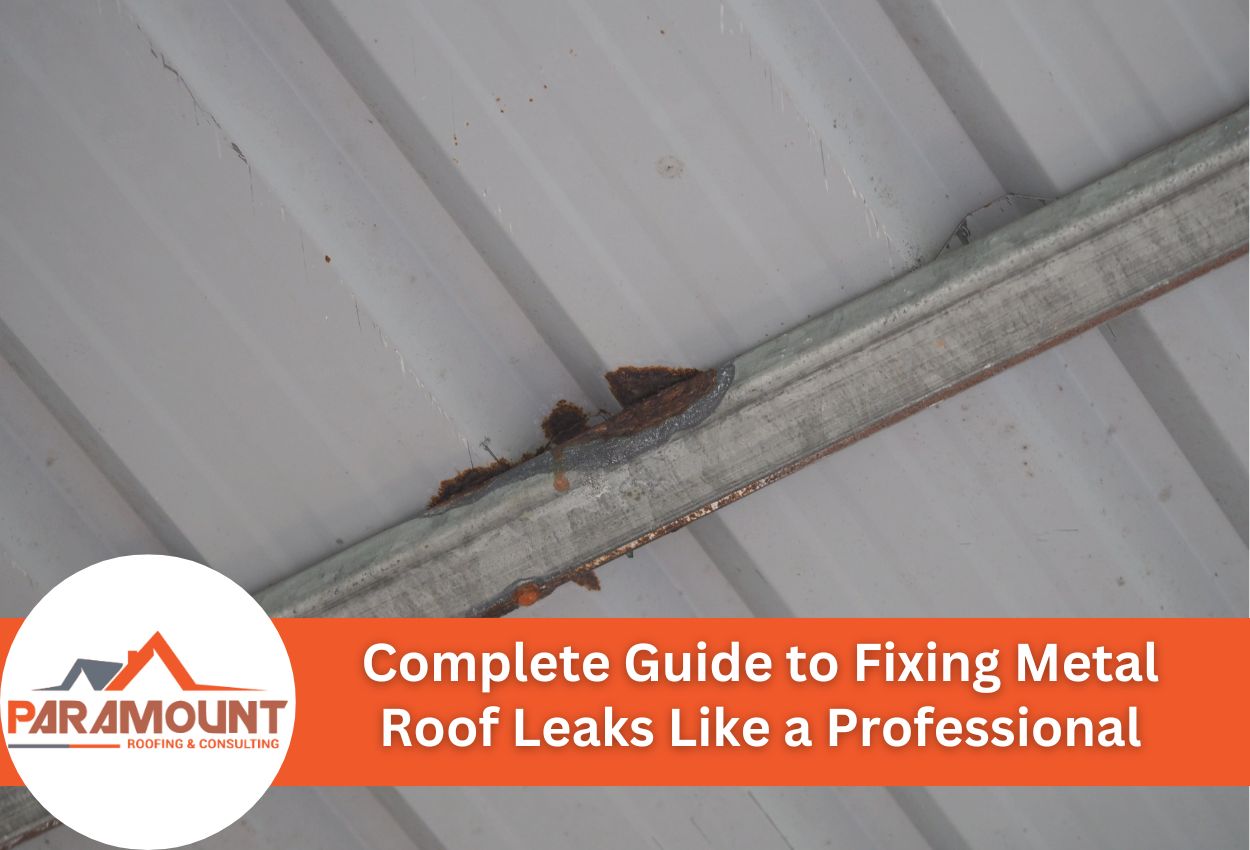
Identifying signs of rusted roof flashing early can save property owners from expensive water damage. Certain indicators can be found during routine exterior inspections, allowing homeowners to catch rust or corrosion before it compromises the flashing’s protective function. Discoloration represents the most obvious early warning sign, appearing as orange, brown, or reddish streaks along the metal surface.
Surface changes provide additional clues about developing corrosion issues. Flaking or peeling sections indicate the protective coating has failed, exposing the underlying metal to moisture and oxygen. Small holes or pitted areas suggest advanced deterioration that requires immediate attention, while staining on adjacent roofing materials or siding often reveals where rusted flashing has allowed water inside the home.
Interior warning signs may appear before exterior rust becomes visible, making regular attic inspections valuable for early detection. Water stains on ceilings or walls near flashing locations indicate moisture infiltration through the compromised metal barriers. Dampness around chimney areas, vents, or roof valleys also suggests failing flashing.
Leak patterns provide specific information about the condition of the flashing and the location of rust damage. Water typically follows predictable paths, creating stains that trace back to the original failure point. Musty odors in attic spaces or upper-floor rooms can indicate hidden moisture problems caused by deteriorating flashing. These interior signs often appear months before exterior rust becomes readily apparent, making them crucial indicators for preventing structural damage.
Proven Methods to Prevent Roof Flashing Rust and Corrosion
Preventing roof flashing corrosion and rust requires both proactive maintenance and protective treatments that create barriers against moisture and environmental damage. Regular inspections allow property owners to spot potential problems before rust compromises the flashing.
Annual cleaning is the most effective maintenance practice for extending the service life of flashing. Homeowners can remove debris, leaves, and organic matter that trap moisture against metal surfaces, and use soft brushes and mild detergent to clean flashing without damaging protective coatings. Extra attention should be paid to areas where different materials meet, as these joints commonly accumulate water and debris.
Protective coatings and sealants provide an additional defense against the elements. For galvanized steel flashing, apply rust-inhibiting primers to exposed metal surfaces showing early signs of coating deterioration. Elastomeric sealants around flashing edges create waterproof barriers that prevent moisture infiltration.
Maintaining the gutter system prevents water accumulation that accelerates corrosion near the roofline. Clean and inspect gutters and downspouts regularly to ensure water flows away from the roof instead of pooling against it. Check that roof slopes direct water appropriately and repair any areas where standing water might contact flashing materials. Additionally, address caulking failures promptly to maintain sealed joints between different types of roof flashing materials. These preventive measures significantly reduce the likelihood of rust and corrosion while maximizing the performance of the flashing.
When to Replace Rusted Flashing and Professional Solutions
Determining whether roof flashing requires repair or complete replacement depends on assessing the extent of the damage and remaining structural integrity. Minor surface rust on galvanized steel flashing can often be treated with rust removal and protective coatings, extending the material’s service life. However, when rust has created holes, extensive pitting, or compromised more than 25% of the flashing surface, replacement is usually necessary to maintain water protection.
Professional roofers bring specialized knowledge about different types of roof flashing materials and installation techniques that prevent future rust and corrosion. They can help homeowners choose a flashing material based on specific roof conditions, climate factors, and building requirements. Professional installation includes proper fastening methods, appropriate sealant application, and integration with existing roofing systems that homeowners often struggle to achieve.
Additionally, working with experienced contractors provides access to commercial-grade materials and tools that improve installation quality and longevity. Professionals understand how to prevent galvanic corrosion between dissimilar metals, properly slope flashing for water drainage, and create seamless connections that eliminate vulnerable points where rust typically begins. Their work often includes warranties that protect property owners from premature failure.
A professional assessment also helps distinguish between surface-level issues and structural problems requiring immediate attention. Contractors can evaluate the entire flashing system, identifying areas where protective measures have failed and recommending comprehensive solutions. This expertise is even more important when signs of rusted roof flashing appear in multiple locations or when comparing the long-term benefits of different flashing materials.
Protect Your Home with Expert Flashing Replacement from Paramount Roofing & Consulting
If you’ve noticed signs of rust on your roof flashing or are concerned about potential water damage, it’s crucial to act quickly. Paramount Roofing & Consulting specializes in replacing rusted or damaged flashing with high-quality materials designed to withstand the harsh Atlanta weather. Whether you need galvanized steel, aluminum, or copper flashing, our experienced team ensures proper installation to maximize the lifespan and effectiveness of your roof.
Call Paramount Roofing & Consulting today at (404) 971-2880 to schedule a consultation and protect your home from the risks of rusted or corroded flashing.