(404) 971-2880
How Does the Roof Insurance Claim Process Work in Georgia and What Should You Do First?

Georgia homeowners file tens of thousands of claims every year and need roof damage insurance claim assistance, with hail and wind damage behind the majority of residential losses, and Georgia ranks among the top 10 states for severe weather-related property insurance losses nationwide. That makes knowing how to file a claim correctly one of the most valuable things a Georgia homeowner can do.
The process breaks down into five steps: document the damage, contact your insurer, schedule an adjuster inspection, get a contractor estimate, then approve and complete the repair or replacement. Having that framework in mind before you start saves time and reduces expensive mistakes.
From the first notice of loss to a claim decision, most Georgia homeowners wait 2 to 8 weeks. That window shifts based on storm volume, how backed up the insurer is, and how complex the damage turns out to be. Knowing that range helps set realistic expectations from day 1.
What Types of Roof Damage Are Covered and What Does Georgia’s Climate Make Most Common?
Hail impact, wind uplift, heavy rain intrusion, and falling debris are the four most common covered causes of roof damage for Georgia homeowners, and Georgia’s climate makes all four a year-round concern. The state averages about 50 inches of rain annually, with north Georgia receiving even more, and summer thunderstorm season regularly produces gusts of 60 to 90 mph that can loosen or strip shingles outright. That combination of high rainfall, heat, and storm exposure accelerates shingle aging and increases the odds of a covered loss, especially in northern counties where hailstorms are more frequent.
| Damage Type | Coverage Status & Typical Claim Outcome |
|---|---|
| Hail impact on asphalt shingles | Covered: often results in full replacement |
| Wind uplift (60 to 90 mph gusts) | Covered: partial or full repair approved |
| Heavy rain intrusion after storm damage | Covered: interior and roof repairs approved |
| Falling debris (tree limbs, storm debris) | Covered: repair or replacement approved |
| Granule loss from age | Excluded: claim denied |
| Gradual wear and deterioration | Excluded: claim denied |
| Improper installation or poor workmanship | Excluded: homeowner liability |
| Maintenance neglect (clogged gutters, moss buildup) | Excluded: claim denied or reduced |
If damage falls into the excluded column, insurers will deny or reduce the payout, so documenting storm dates and keeping basic maintenance records strengthens any covered claim from the start.
What Are the Step-by-Step Stages of the Georgia Roof Insurance Claim Process?
Georgia homeowners have up to one year from the date of loss to file a roof insurance claim, but acting within the first 24 to 48 hours puts your claim in the strongest position. Follow these 6 steps to avoid expensive delays or denials.
- Document damage with timestamped photos within 24 to 48 hours. Photograph every affected area from multiple angles: roof surface, gutters, siding, and any interior leaks. Timestamped images tie the damage directly to a specific storm, which insurers require.
- Review your policy for ACV versus RCV coverage before calling your insurer. Actual Cash Value (ACV) subtracts depreciation from the payout. On a 15-year-old asphalt shingle roof, an ACV policy might cover only 40% to 50% of full replacement cost after depreciation. Replacement Cost Value (RCV) pays the full replacement cost minus your deductible a meaningful difference on most Georgia roofs.
- File your claim quickly, noting that standard homeowner policies typically require filing within one year. Call your insurer the same day you document the damage. Delays give insurers reason to question whether the damage is storm-related.
- Prepare for the adjuster inspection. Be present during the inspection. Point out every area of documented damage and share your timestamped photos. Adjusters may miss damage on lower slopes or in valleys without guidance.
- Get an independent contractor estimate to compare against the adjuster’s scale. A reputable Georgia roofing contractor can identify line items the adjuster missed things like drip edge replacement, underlayment, or code-required upgrades. Gaps between estimates are common and negotiable.
- Review the insurer’s written estimate and negotiate if the payout seems low. If the adjuster’s scale leaves out covered damage, submit the contractor’s estimate and request a supplemental review. Homeowners who push back with written contractor documentation recover more of their replacement costs than those who accept the first offer.
One more step applies before any work starts: While Georgia does not require a state-level license for specialty roofing trades, contractors should hold local business licenses, and permits must be pulled locally before work begins. Confirm your contractor is licensed and will pull the required permit before signing any contract.
What Should You Expect During the Roof Insurance Inspection in Georgia?
A Georgia roof insurance adjuster evaluates six specific areas: shingle condition, granule loss density, hail impact marks, wind-lifted tabs, flashing integrity, and interior attic evidence of leaks. Each area tells the adjuster whether damage is storm-related or the result of normal aging, and that distinction determines whether your claim gets approved or denied.
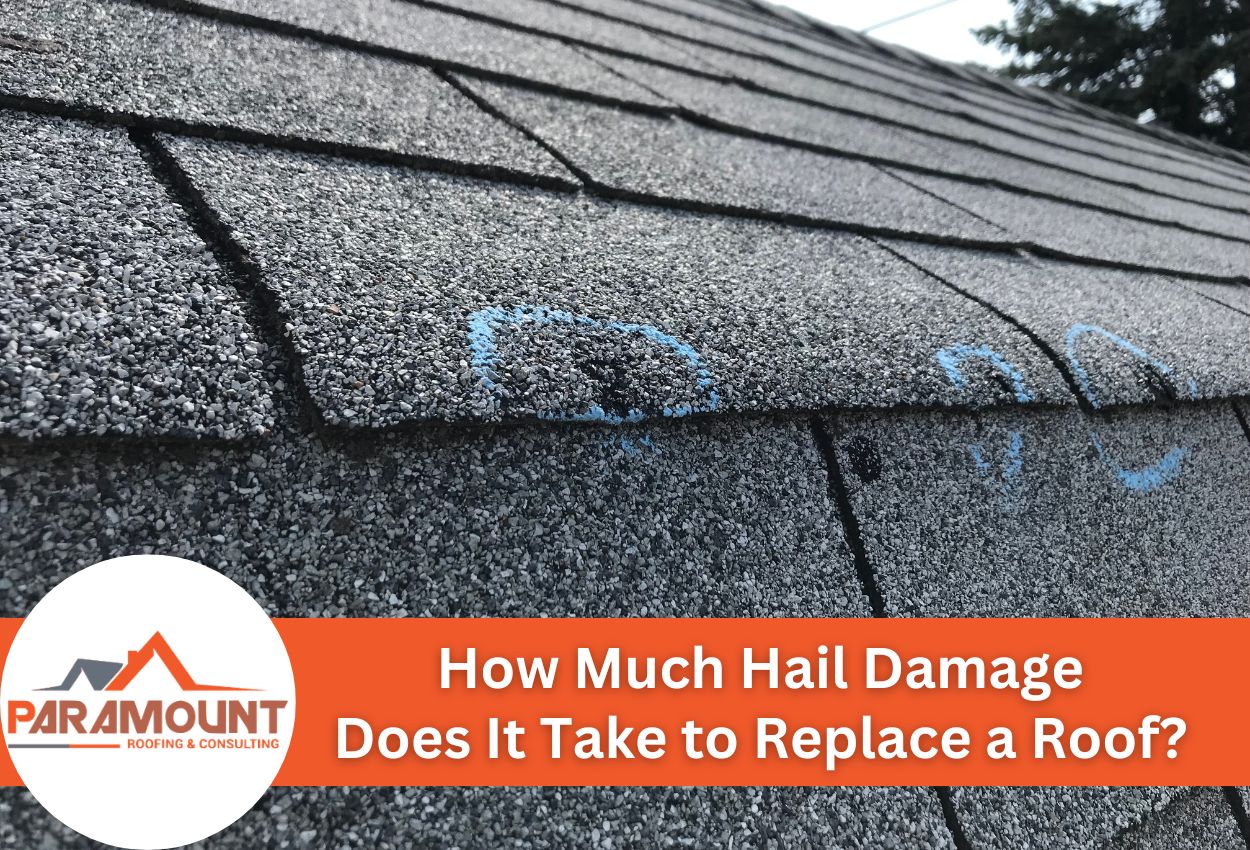
Hail damage on asphalt shingles typically appears as bruising or soft spots roughly 1 to 2 inches in diameter. These marks can be subtle, especially on darker shingles or in low-light conditions. Granule loss from hail impact looks different than granule loss from age; adjusters are trained to tell them apart, and so is a knowledgeable contractor. Flashing around chimneys, vents, and valleys gets checked for separation or lifting caused by wind. Inside the attic, the adjuster looks for staining, wet insulation, or daylight showing through the roof decking.
Having a licensed local roofing contractor present during the adjuster’s roof damage inspection can result in settlements 20% to 40% higher on average than unrepresented claims a difference that can mean thousands of dollars on a full replacement. A contractor knows where adjusters commonly miss damage and can point out covered items in real time.
Georgia adjusters may also use third-party weather verification tools such as CoreLogic or Verisk to confirm the date and intensity of a storm before approving a claim. Homeowners should document the exact storm date and cross-reference it with National Weather Service records. That paper trail keeps the claim tied to a specific covered storm and makes it harder for an insurer to question the cause. Paramount Roofing & Consulting can help homeowners gather and organize that documentation before the adjuster arrives.
How Much Does a Roof Insurance Claim Cost a Georgia Homeowner Out of Pocket?
Out-of-pocket costs for a Georgia homeowner filing a roof insurance claim can range from under $1,500 to well over $10,000 depending on policy type, roof age, and deductible structure. The table below breaks down three common scenarios across a standard Georgia residential roof replacement costing $8,000 to $18,000.
| Scenario | Typical Deductible | Depreciation Withheld | Est. Homeowner Out-of-Pocket | Full Replacement Cost Range |
|---|---|---|---|---|
| ACV policy, 10-year-old roof | $1,000 to $2,500 | 40% to 50% of replacement cost | $4,700 to $11,500+ | $8,000 to $18,000 |
| RCV policy, 10-year-old roof | $1,000 to $2,500 | $0 (recovered after repairs complete) | $1,000 to $2,500 | $8,000 to $18,000 |
| RCV policy, 3-year-old roof | $1,000 to $2,500 | $0 (minimal depreciation held) | $1,000 to $2,500 | $8,000 to $18,000 |
The difference between an ACV and an RCV policy is often thousands of dollars out of your pocket, especially on an older roof. On an ACV policy with a 10-year-old roof, a homeowner could pay more than half the replacement cost themselves after depreciation is applied. Also worth knowing: some Georgia insurers now require a separate wind/hail percentage deductible.
On a $300,000 dwelling policy with a 1% wind/hail deductible, the homeowner owes $3,000 before the insurer pays a dollar more than most flat-dollar deductibles. Reviewing your deductible structure before storm season hits is a smart financial planning step that costs nothing but a phone call to your insurer.
How Can Georgia Homeowners Avoid Claim Mistakes That Cost Them Money?
Six specific decision rules separate homeowners who recover full replacement costs from those who lose money or face legal trouble during the claims process. Follow each one before signing anything or accepting any payment from your insurer.
- Never sign an Assignment of Benefits (AOB) agreement. An AOB transfers your legal claim rights directly to the contractor. Once signed, you lose the ability to negotiate, dispute, or appeal your own claim; the contractor controls all settlement decisions on your behalf.
- Get at least 2 contractor estimates before accepting the insurer’s scale. Adjuster scopes commonly leave out covered line items: drip edge, underlayment, or code-required upgrades. A second estimate from a reputable Georgia roofing contractor often reveals gaps that are fully negotiable.
- Do not accept a denial without requesting a re-inspection or hiring a public adjuster. A denial is not final. Georgia homeowners can request a re-inspection, submit additional documentation, or hire a licensed public adjuster to dispute the insurer’s findings at any stage of the process.
- Confirm your contractor holds a valid Georgia state license and will pull a local permit. Georgia law requires licensed contractors to pull permits before work begins. Skipping this step can void your workmanship warranty and create liability for the homeowner.
- Never allow a contractor to waive your deductible. Waiving a deductible is insurance fraud under O.C.G.A. § 33-1-9. Both the contractor and the homeowner can face criminal charges. If a contractor offers this, walk away.
- Document every communication with your insurer in writing with dates. Phone calls leave no paper trail. Follow up each call with a written email summary including the date, the representative’s name, and what was discussed. Written records protect you if a dispute arises later.
Georgia’s Department of Insurance accepts complaints against insurers at no cost to the homeowner. For contractor disputes, you must contact the state’s Consumer Protection Division, so if a claim is improperly denied or delayed beyond a reasonable timeline, filing a complaint is a free and available option. Knowing these six rules before the process starts puts every dollar of covered damage back where it belongs: in the homeowner’s pocket.
Is a Full Roof Replacement Through Insurance Worth It? What Do the Numbers Say?
A full replacement covered by an RCV policy leaves the homeowner paying only the deductible, typically $1,000 to $2,500 on a roof that costs $10,000 to $18,000 to replace. Compare that to patching damaged areas out of pocket. A quality asphalt shingle patch repair in Georgia typically costs $500 to $1,500, but a patch does not stop ongoing leaks if the underlying damage is widespread. The math is straightforward: paying $1,000 to $2,500 out of pocket for a brand-new roof beats spending $1,500 on a repair that fails within a season.
There is also a resale argument. Remodeling Magazine’s Cost vs. Value data consistently shows asphalt shingle roof replacement returns 55% to 68% of project cost at resale. In Georgia’s competitive suburban markets, including the Atlanta metro, Savannah, and Augusta, a new roof reduces buyer negotiation leverage and shortens time-to-sale. A homeowner who files a legitimate claim, pays the deductible, and gets a full residential roof replacement comes out ahead financially both now and at the time of sale.
Many homeowners avoid filing because they fear a premium increase. A single weather-related claim in Georgia typically does not trigger a non-renewal or automatic rate hike. However, multiple claims within a 3-year window can affect renewal terms. If the damage is real and storm-related, filing one claim is the financially sound decision, not one to avoid out of fear.
Ready to Start Your Roof Insurance Claim in Georgia? Here’s Your Next Step.
Filing a roof insurance claim the right way can mean the difference between paying $1,000 to $2,500 out of pocket versus $4,700 to $11,500 or more, and the biggest factor is having the right contractor involved from the start. Paramount Roofing & Consulting serves Georgia homeowners with free storm damage inspections, professional damage documentation, and the adjuster’s scale reviews designed to help you recover every dollar your policy covers.
Storm damage roofing services can be tricky to navigate, and getting a licensed contractor on-site before or after your adjuster visit is one of the most valuable steps a Georgia homeowner can take during the claims process. Paramount Roofing & Consulting will document damage, identify items adjusters commonly miss, and review your insurer’s scale line by line at no cost to you before work begins. If emergency protection is needed before repairs begin, our emergency roof tarping service can help prevent further damage to your home.
Schedule your free roof inspection.
Not ready to schedule? Learn more about the roof insurance claim process.