(404) 971-2880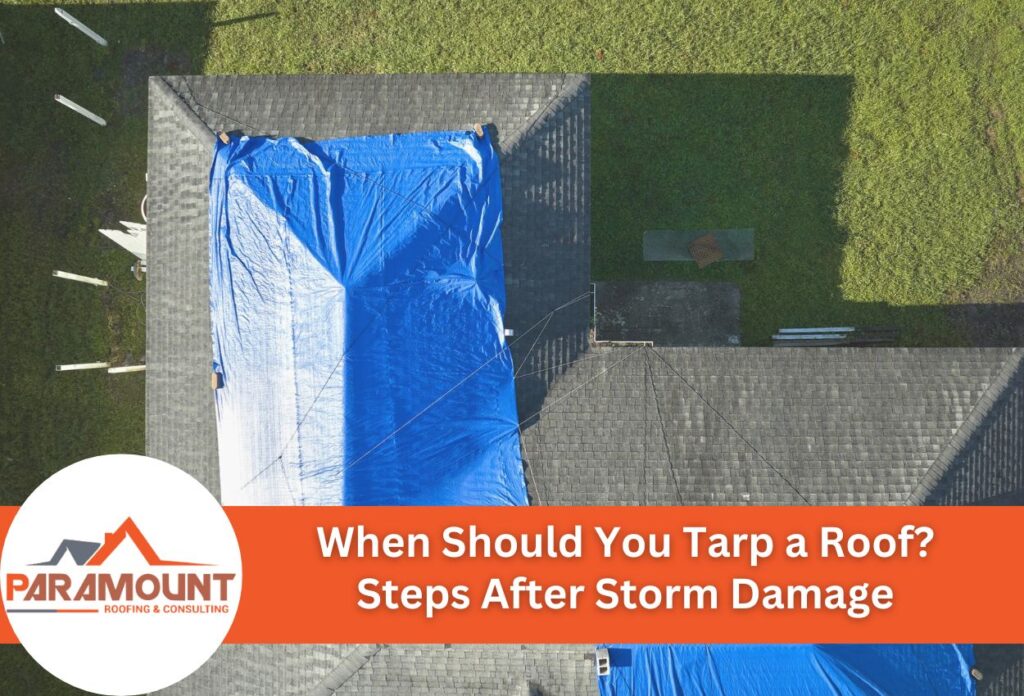
Roof damage often strikes without warning, leaving homeowners unsure how to protect their property from further harm. Emergency roof tarping is an essential temporary solution when structural damage exposes a home’s interior to rain, wind, and debris.
Knowing when to deploy roof damage protection is crucial during severe weather, fallen tree incidents, or sudden structural failures. The difference between acting quickly with a temporary roof cover and waiting for permanent repairs can mean thousands of dollars in prevented water damage to ceilings, walls, furniture, and flooring.
Homeowners often struggle to distinguish between minor roof issues that can wait for a professional assessment and genuine emergencies requiring immediate roof tarp installation. Visible holes in the roof, missing shingles after storms, compromised flashing, or any opening that allows water in need swift action to minimize interior damage.
Time becomes the enemy when roof integrity is compromised. Water infiltration spreads rapidly through building materials, creating conditions for mold growth, electrical hazards, and structural deterioration. Recognizing these critical situations and responding with appropriate temporary roof repair measures protects both the immediate safety of occupants and the long-term value of the property.
Storm Damage Assessment and Immediate Steps to Take
After severe weather strikes, conducting a safe roof evaluation is critical for determining whether emergency roof tarping is necessary. Homeowners should begin their assessment from ground level, using binoculars to examine the roof surface for obvious signs of damage without risking personal safety on potentially compromised structures.
Several warning signs indicate that immediate roof damage protection is required. Missing or severely damaged shingles create direct pathways for water, while visible holes or punctures from hailstorms or fallen debris need urgent temporary roof repair measures. Sagging roof sections, exposed underlayment, or displaced flashing around chimneys and vents signal that the roof’s protective barrier has been compromised.
An interior inspection can also reveal indicators that a roof cover is essential. Water stains on ceilings, active leaks during rainfall, or damp insulation in attic spaces confirm that exterior damage has breached the home’s weatherproof barrier. These conditions require immediate roof tarp installation to prevent extensive interior damage.
High winds often cause subtle damage that becomes apparent only during subsequent rain. Lifted shingles, cracked tiles, or damaged gutters may not immediately reveal the extent of roof compromise. When multiple damage indicators are present or when any opening allows direct water entry into the home, emergency roof tarping becomes necessary to maintain structural integrity until professional repairs can be completed.
Types of Roof Damage That Require Tarping Protection
Missing or damaged shingles are one of the most common situations requiring emergency roof tarping. When storm winds lift or tear away shingles, they expose the underlying roof deck directly to water and the elements. Even partial shingle damage that creates loose or curled edges allows moisture to work beneath the roofing material, making roof tarp installation necessary to prevent progressive deterioration.
Punctures from flying debris during storms create immediate entry points that need quick roof damage protection. Tree branches, construction materials, or hail damage can pierce through roofing materials, creating holes that channel rainwater directly into the home’s interior. These puncture wounds in the roof surface require temporary roof repair measures to prevent widespread water damage to insulation, framing, and interior finishes.
Structural damage from fallen trees or collapsed sections is usually the most serious scenario. When significant portions of the roof structure are compromised or completely removed, extensive tarping becomes essential to protect the entire affected area. Large-scale damage often requires a professional assessment to determine the appropriate emergency roof tarping methods and materials.
Identifying the full extent of the damage helps determine whether tarping provides sufficient protection or if alternative emergency measures are needed. Minor leaks around flashing might be managed with localized sealing, while extensive shingle loss across large roof sections necessitates comprehensive tarp coverage. When damage spans multiple roof planes or involves structural elements, emergency roof tarping becomes the primary defense against continued weather exposure until permanent repairs can restore complete roof integrity.
Emergency Roof Tarping Installation Process
Personal safety is non-negotiable during roofing work, especially emergency roof tarping. Before attempting roof access, homeowners must assess current weather conditions and postpone installation during active precipitation, high winds, or icy conditions that create hazardous working surfaces. Having a reliable spotter and ensuring the ladder is placed against a stable structure reduces the risk of accidents during roof damage protection efforts.
Your weather assessment should extend beyond current conditions to include future forecasts. Emergency roof tarping should be completed with sufficient time before expected rainfall to allow proper securing of all tarp edges and attachment points. Rushing installation as storms approach increases both safety risks and the likelihood of inadequate coverage.
Essential preparation steps include gathering appropriate materials and tools before accessing the roof surface. Heavy-duty tarps sized to extend well beyond damaged areas, sufficient fasteners, and safety equipment must be staged and ready for immediate use. Having an assistant available to pass materials and maintain ground-level communication can be helpful during the storm damage roof cover installation.
Positioning the tarp requires careful measurements and planning to ensure complete protection of compromised roof sections. The tarp should extend at least 4 feet beyond visible damage in all directions, with extra attention paid to overlap at roof ridges and edges. Securing methods must account for wind uplift while avoiding additional punctures to undamaged roofing materials, creating an effective barrier that protects the interior until professional repairs restore the roofing system.
How Long Temporary Roof Tarps Can Protect Your Home
Understanding the expected lifespan of emergency roof tarps helps homeowners plan for permanent repairs while maintaining adequate protection during the interim period. Standard polyethylene tarps typically provide reliable weather protection for 30 to 90 days under normal conditions, though this timeframe varies significantly based on environmental factors and installation quality.
Weather conditions dramatically impact tarp durability. Constant sun exposure causes UV degradation that weakens tarp materials, while repeated freeze-thaw cycles create expansion and contraction stress that can compromise seams and attachment points. High winds place continuous stress on roof tarps systems, potentially loosening fasteners or creating tears that reduce effectiveness over time.
Heavy-duty vinyl tarps generally outlast standard materials, often maintaining integrity for 90 to 180 days when correctly installed. Extreme temperatures accelerate the deterioration of all tarp materials, particularly during summer when constant hot, sunny days create ongoing material stress. Winter conditions present different challenges, as cold snaps can weaken materials, and ice formation along edges may create drainage blockages.
Regular inspections are essential for maintaining effective roof cover while permanent repairs are scheduled. Homeowners should examine the tarp weekly, checking for loose fasteners, developing tears, or areas where water might seep below it. Signs of tarp failure include visible sagging, edge lifting, or water stains appearing on interior surfaces despite the roof tarp installation, indicating that replacement or adjustment is necessary to maintain protection until permanent repairs restore the roof.
Professional vs. DIY Emergency Roof Tarping
Determining whether to attempt emergency roof tarping personally or contact professional services depends on several critical safety and complexity factors. Multi-story homes, steep roof pitches exceeding 6:12 slope, or damaged areas near roof edges create dangerous working conditions that require professional emergency tarping expertise and specialized safety equipment.
Complex damage scenarios involving structural compromise, extensive area coverage, or damage affecting multiple roof planes exceed typical DIY capabilities. When fallen trees have created large openings, when roof decking shows signs of sagging, or when electrical lines pose hazards near damaged areas, professional roofers possess the training and equipment necessary for safe temporary roof tarp installation.
Weather urgency often determines the appropriate response approach. During active storm periods or when severe weather threatens within hours, professional services can mobilize quickly with proper safety protocols and industrial-grade materials. Atlanta’s frequent thunderstorm activity and occasional severe weather create time-sensitive situations where professional storm damage roof cover installation ensures both worker safety and effective protection.
Building code considerations are also relevant for extensive damage requiring permits or insurance documentation. Professional emergency roof tarping services understand local inspection requirements and can provide documentation for insurance claims. When roof tarp installation covers large areas or involves structural modifications, professional expertise ensures compliance with Atlanta area building codes and creates the foundation for subsequent permanent repairs that meet all regulatory requirements while maintaining the home’s insurability and resale value.
Emergency Roof Tarping Services by Paramount Roofing & Consulting
When severe weather strikes, quick action is crucial to protect your home from further damage. If you’re facing storm damage or any situation where your roof’s integrity is compromised, it’s essential to consider emergency roof tarping. Paramount Roofing & Consulting specializes in rapid response to secure your home effectively, preventing catastrophic water damage and protecting your valuables from the elements.
Our team understands the urgency of these situations and provides immediate tarping services that cover damaged roofs temporarily until a full repair can be done. This step is vital to maintain the safety and security of your home’s interior. Call Paramount Roofing & Consulting today at (404) 309-8035 for expert assistance and ensure your home is protected quickly and efficiently.