(404) 971-2880
Understanding Asphalt Shingle Granule Loss and What It Means for Your Roof
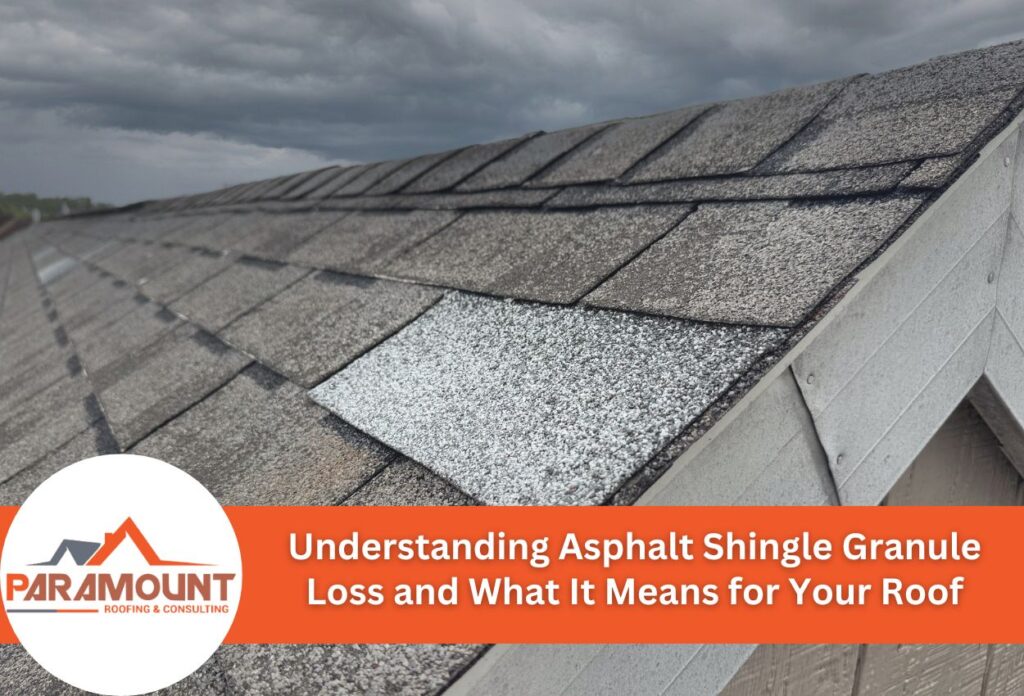

Asphalt shingle granule loss is one of the most common signs that a roof system requires attention. These small, colored mineral particles play a crucial role in protecting shingles from harmful UV rays, extreme weather conditions, and daily temperature fluctuations. When granules begin shedding from roof surfaces, homeowners often notice colored debris accumulating in gutters, downspouts, or around the foundation of their property.
Without the protective granule layer, the underlying asphalt material becomes exposed to elements that accelerate deterioration and reduce the roof’s lifespan significantly. Understanding the difference between normal granule shedding and excessive shingle deterioration helps property owners decide between maintenance and replacement needs.
New shingles typically shed some granules during installation and initial weather exposure, which is considered normal. However, when shingle granule shedding becomes widespread or creates noticeable bare spots on roof surfaces, these signs indicate potential problems that require a professional evaluation. Recognizing these shingle replacement indicators early can prevent water damage and structural issues that develop when deteriorated shingles fail to provide adequate protection.
Signs That Your Shingles Are Losing Too Many Granules
Recognizing excessive asphalt shingle granule loss requires understanding what normal shedding looks like versus problematic deterioration. Homeowners can identify several visual indicators from ground level that signal when granule shedding has become a concern requiring professional attention.
The most obvious sign of shingle granule shedding is bald or bare patches on individual shingles where the underlying black asphalt mat becomes visible. These exposed areas create noticeable color variations across the roof surface, often appearing as dark spots that contrast sharply with surrounding granule-covered areas. When roof granule deterioration advances, entire sections may display uneven coloration that makes the roof appear patchy or worn.
Gutters and downspouts provide another reliable indicator of excessive granule loss. While small amounts of granules in gutters are normal, particularly after severe storms, consistent heavy accumulation suggests accelerated deterioration. Homeowners should look for granule buildup that resembles coarse sand or small pebbles collecting in drainage systems.
Additional aging signs include curling or cupping along shingle edges where granules have fallen off, and visible wear patterns that follow roof slope lines. These indicators often develop gradually but become more pronounced as weather exposure continues to break down the protective granule layer that shields the asphalt mat from the elements.
What Causes Granules to Fall Off Your Asphalt Shingles
Natural weathering processes and external factors both contribute to roof granule deterioration, though they affect shingles at different rates and create distinct patterns of wear. Normal aging is the primary cause of asphalt shingle granule loss over time. Continuous exposure to sunlight gradually breaks down the adhesive bonds that secure granules to the shingle surface. Temperature fluctuations cause shingles to expand and contract repeatedly, which loosens granules and creates microscopic cracks in the protective coating. Rain, snow, and wind provide constant physical stress that slowly wears away the granule layer through natural erosion.
External factors accelerate shingle granule shedding beyond normal aging patterns. Severe storms with high winds or hail impact create immediate granule displacement, often leaving visible bare spots where debris struck the roof surface. Foot traffic from maintenance workers or homeowners walking on the roof also dislodges granules through direct pressure and friction against the shingle material.
Manufacturing defects occasionally contribute to premature granule loss when adhesive application during production fails to meet quality standards. These defects typically manifest as widespread shedding patterns that affect multiple roof sections simultaneously rather than isolated areas of wear. When asphalt shingle aging signs appear prematurely or create unusual patterns of deterioration, manufacturing issues may be responsible. Understanding the causes of shingle granule loss helps property owners recognize when deterioration patterns signal normal aging versus accelerated damage requiring immediate attention.
How Granule Loss Affects Your Roof’s Performance and Protection
When asphalt shingle granule loss progresses beyond normal levels, the protective capabilities of your roof system become compromised. The mineral granules embedded in shingles have multiple functions that directly impact your roof’s ability to shield your home over time.
The most immediate consequence of roof granule deterioration is reduced UV protection for the underlying asphalt mat. Without adequate granule coverage, harmful ultraviolet rays directly hit the shingle base material, causing rapid deterioration and brittleness. This sun damage accelerates thermal cycling issues as exposed asphalt absorbs more heat during the day and releases it at night, creating expansion and contraction cycles that weaken the shingle structure and promote cracking.
Compromised weather resistance develops as shingle granule shedding exposes the vulnerable asphalt to moisture. Water can seep into microscopic cracks and gaps where protective granules once provided a barrier, leading to gradual deterioration from within the shingle material. This moisture infiltration reduces the roof’s energy efficiency as damaged shingles lose their ability to maintain consistent temperature control.
These combined effects of asphalt shingle aging create cascading deterioration that shortens the overall lifespan of the roof. Properties with advanced granule loss face increased risks of water damage, higher energy costs, and accelerated replacement timelines. Recognizing shingle granule loss early allows homeowners to take care of problems before they affect the entire roofing system.
When Granule Loss Becomes a Serious Problem
Determining when asphalt shingle granule loss transitions from normal aging to a serious maintenance concern requires understanding specific timelines and warning signs that indicate premature failure. Most quality asphalt shingles experience minimal granule shedding during their first five to seven years, with gradual increases as they approach their expected lifespan of 15 to 25 years, depending on material grade and environmental conditions.
Warning signs that indicate your shingles are failing prematurely include widespread granule shedding before the 10-year mark, particularly when accompanied by visible bare spots. Roof granule deterioration that creates noticeable color variations across large sections of your roof surface suggests accelerated aging that exceeds normal weathering patterns. These asphalt shingle aging signs become especially concerning when they appear uniformly across multiple roof sections rather than isolated areas that are more exposed to severe weather.
A professional assessment becomes necessary when granule accumulation in gutters occurs consistently throughout multiple seasons rather than only after storms. Homeowners should also watch for curling shingle edges combined with significant granule loss, as this combination indicates structural compromise beyond surface-level deterioration.
The decision point for repairs versus replacement depends on the extent and pattern of damage. Isolated sections showing shingle granule loss may qualify for partial replacement, while widespread deterioration affecting more than 30% of the roof surface typically indicates full replacement needs. These shingle replacement indicators help property owners address granule loss before it compromises the roofing system and home below.
Prevention Strategies to Minimize Future Shingle Deterioration
Implementing regular maintenance can extend the life of your shingles and reduce the rate of granule loss over time. Regular preventive care helps protect the shingles while addressing environmental factors that accelerate granule deterioration before they cause permanent damage.
Adequate attic ventilation is essential to prevent premature shingle granule shedding by maintaining consistent temperatures below the roof. Proper airflow prevents excessive heat buildup that weakens granule bonds and causes expansion-contraction cycles that loosen protective particles. Installing ridge vents, soffit vents, and exhaust fans creates balanced air circulation that protects shingles from temperature extremes that contribute to accelerated aging.
Regular debris removal prevents organic materials from retaining moisture against shingle surfaces, which can accelerate granule deterioration through prolonged exposure to dampness. Tree branches, leaves, and moss should be cleared promptly to maintain proper drainage and prevent water from pooling on roof areas where it can gradually weaken granule adhesion.
Limiting foot traffic and using proper access procedures when roof maintenance is necessary helps prevent mechanical damage that causes immediate granule displacement. Professional roof treatments and protective coatings can provide additional barriers against UV damage and weather exposure, which are common causes of shingle granule loss.
These preventive measures help delay the onset of asphalt shingle aging, maximizing the protective lifespan of your roof through proactive care rather than reactive repairs.
Professional Solutions for Roofs with Significant Granule Loss
When asphalt shingle granule loss reaches advanced stages, professional intervention becomes necessary to restore the roof and prevent further deterioration. Qualified roofing contractors can evaluate the extent of roof granule deterioration and recommend appropriate solutions based on the specific patterns and severity across your roof system.
For localized granule loss affecting individual sections or scattered shingles, targeted repair approaches often provide effective solutions. Individual shingle replacement addresses isolated areas where granule loss has created bare spots or exposed asphalt mat material. This repair method works best when damage remains confined to less than 20% of the total roof area and surrounding shingles have intact granules.
Protective coatings offer another option for roofs showing moderate aging, but retain their structural integrity. These specialized coatings restore UV protection and weather resistance to areas experiencing granule deterioration while extending overall roof lifespan. Professional contractors can assess whether existing shingle conditions support coatings or require more extensive intervention.
Full roof replacement becomes the recommended solution when shingle granule loss appears across 30% or more of the roof surface. Widespread granule loss, multiple leaks, or structural damage typically indicate that repair options cannot adequately address the extent of deterioration present. Timing replacement decisions correctly prevents interior damage while ensuring your property remains protected through comprehensive system renewal rather than temporary repair measures.
Expert Roofing Solutions for Asphalt Shingle Granule Loss in Douglasville
If you’ve seen signs of asphalt shingle granule loss, it’s important to remedy this problem to maintain the integrity of your roof. At Paramount Roofing & Consulting, we can resolve issues related to shingle granule shedding, ensuring your roof continues to offer optimal protection against the elements. Whether it’s through targeted repairs or a comprehensive roof replacement, our experienced team can handle your roofing needs effectively.
Call us today at (404) 971-2880 to schedule an asphalt shingle roof inspection. Early intervention can prevent more extensive and expensive damage, securing your home against future weather challenges. Trust Paramount Roofing & Consulting to provide reliable solutions that extend the life of your roof and enhance your home’s safety and comfort.