Quality Is Doing The Job Right, The First Time!

Quality Is Doing The Job Right, The First Time!
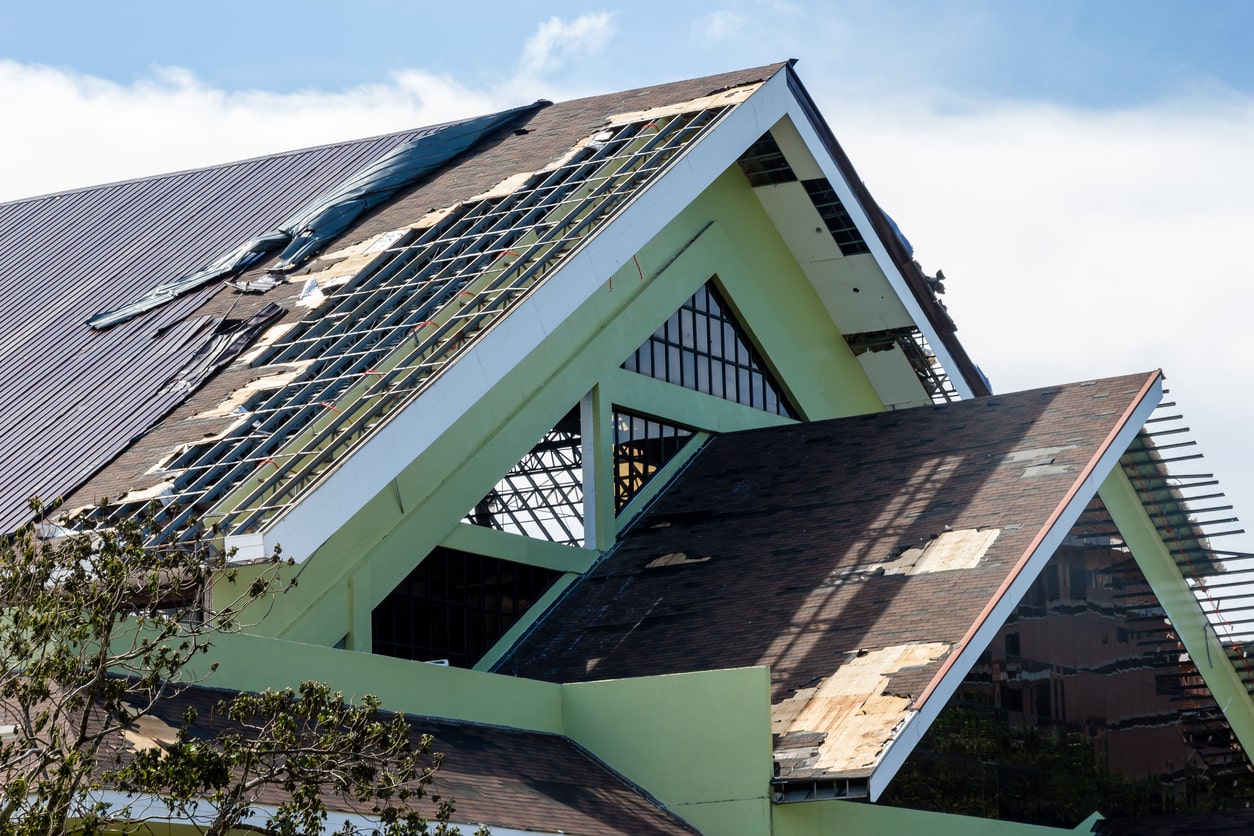
Acworth sits in a part of north Georgia where severe thunderstorms roll through with regularity, and hail is not a rare event. Cobb County sees roughly four hailstorms per year on average, and some of those storms bring quarter-size hail or larger. That kind of impact can leave behind granule loss, bruised shingles, and dented flashing that you would never spot from your driveway. With around 50 inches of annual rainfall spread across the year, any damage that goes unchecked after a storm does not stay dormant for long. Water finds its way in quickly, and what starts as a small repair can grow into something much more involved.
Asphalt shingles are by far the most common roofing material on suburban homes throughout Acworth, and they take the brunt of hail impact differently than you might expect. The damage is often hidden, showing up as soft spots, fractured tabs, or granule loss that shortens the life of the roof even when no leak is visible yet. Older roofs are especially vulnerable because years of heat cycling and repeated storm exposure make shingles less flexible and more likely to crack or break under impact.
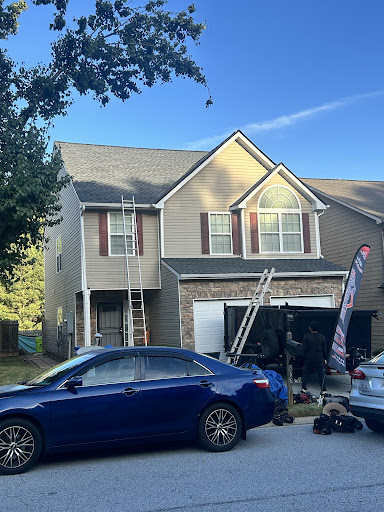
Paramount Roofing & Consulting works with homeowners across Acworth to inspect roofs after hail events and repair damage before it becomes a bigger problem. The team knows what to look for on local homes, from compromised ridge caps and damaged vent covers to flashing that took a hit but has not started leaking yet.
Hail damage is not always obvious from the ground, and a roof can have impact damage even when the shingles still look intact at first glance. Paramount Roofing & Consulting examines the full roof, explains what the damage means, and handles any necessary repairs through a final review.
Hail damage on asphalt shingles is easy to miss from the ground, and that is exactly what makes it risky. Many Acworth homeowners do not realize their roof took a hit until a leak shows up weeks later, often after a heavy rain follows close behind a storm. Knowing what signs to look for helps you act before minor damage turns into a much bigger repair.
| Damage Type | What Causes It | Why It Matters |
|---|---|---|
| Granule loss on shingles | Hail impact knocks granules loose from the surface | Speeds up shingle aging and shortens roof life |
| Bruised or soft spots | Impact fractures the mat beneath the shingle surface | Weakens the shingle and allows water to seep in over time |
| Dented or bent flashing | Metal parts take direct hits from hail | Creates gaps where water can work its way under the roof |
| Damaged ridge caps and vent covers | Exposed position makes them vulnerable to larger hail | Can allow water entry at the most elevated parts of the roof |
| Fractured shingle tabs | Older shingles crack more easily under impact | Creates open areas where rain can leak in directly |
Roofs that have already been through several seasons of North Georgia storms are more likely to show serious damage after a hailstorm. Repeated heat cycling and storm exposure reduce shingle flexibility over time, so even a storm that seems brief can leave behind damage worth addressing quickly.
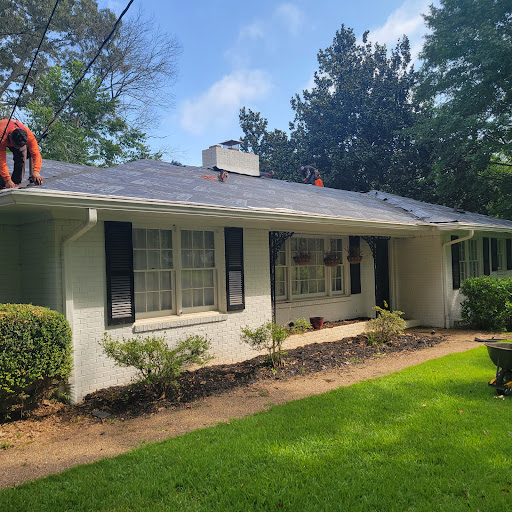
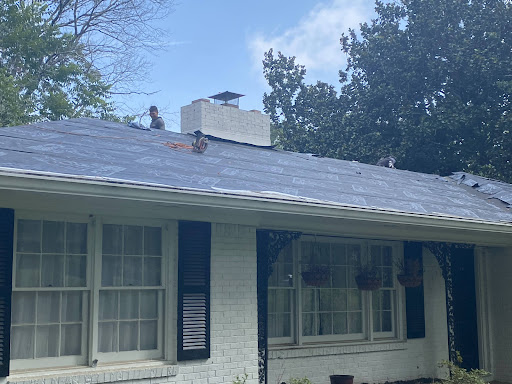
When damaged shingles need to come out, we replace them with materials that closely match your existing roof in color, profile, and weight. A good match matters for both the appearance of your home and the long-term performance of the repaired area.
Hail often dents or loosens the metal flashing around chimneys, skylights, and pipe boots without creating an immediate leak. We repair or reseal these areas as part of the job so water does not find its way in the next time a heavy rain moves through Acworth.
Ridge caps sit at the peak of your roof and take a direct hit in any hail storm, making them one of the first places to fail. Restoring or replacing damaged ridge caps closes off one of the most common entry points for water and helps your roof hold up through the rest of storm season.
Once the work is complete, you get a clear record of what was repaired and where. That documentation is useful if you ever sell your home, deal with future storm damage, or need to show that repairs were made to a specific standard.
Acworth gets its share of strong storms, and roofs here take repeated hits from hail, heavy rain, and heat cycling over the years. That combination wears on shingles faster than most homeowners realize, and a roof that looks fine from the ground may already have spots where water is working its way in. Getting damage repaired after a hail storm protects your home from the kind of expensive follow-up work that comes when small problems go unaddressed through another storm season.
Paramount Roofing & Consulting is ready to take a close look at your roof and give you a straight answer about what needs attention. If you had a storm move through recently or just want to know where your roof stands, reaching out is a simple first step.
Got questions about your roof? We’ve got answers. From maintenance tips to insurance claims and repair timelines, our FAQ section covers the most common concerns homeowners have. Get informed and make confident decisions about protecting your home.
Hail damage often does not reveal itself immediately. Impact can bruise the shingle mat and knock loose granules without creating an obvious hole, but once rain follows, water starts working into those weakened spots. In Acworth, where heavy rain can follow a storm within days, that delay between impact and visible leaking is one of the main reasons damage gets underestimated.
Roof age and material condition make a bigger difference than most homeowners expect. A roof that has been through years of North Georgia heat and repeated storm cycles has shingles that are less flexible and more likely to fracture or lose granules under the same hail that a newer roof handles without issue. Pitch, tree coverage, and the direction a storm travels can also affect how much impact a specific section of roof absorbs.
Metal parts like pipe boots, vent covers, and flashing around chimneys and skylights take direct hits from hail but rarely get much attention in a quick visual check. These areas can dent, crack, or pull away from the surface of the roof without creating an immediate leak, so the damage often goes unnoticed until water finds its way in during a later storm. A complete inspection of these parts is just as important as checking the shingles themselves.


Our clients’ satisfaction speaks for itself! Read about their experiences with our quality service.
Don't wait to protect your home! Our team is ready to assist with all your roofing needs, so contact us now for expert service and peace of mind.
Our roofing experts are here for your help.

 (404) 971-2880