(404) 971-2880

Minor damage affecting less than 30% of your roof’s surface is generally repairable, but damage exceeding 30% or a roof within 5 years of its end of life typically warrants full replacement. These two thresholds give homeowners a starting point before a contractor ever sets foot on the property.
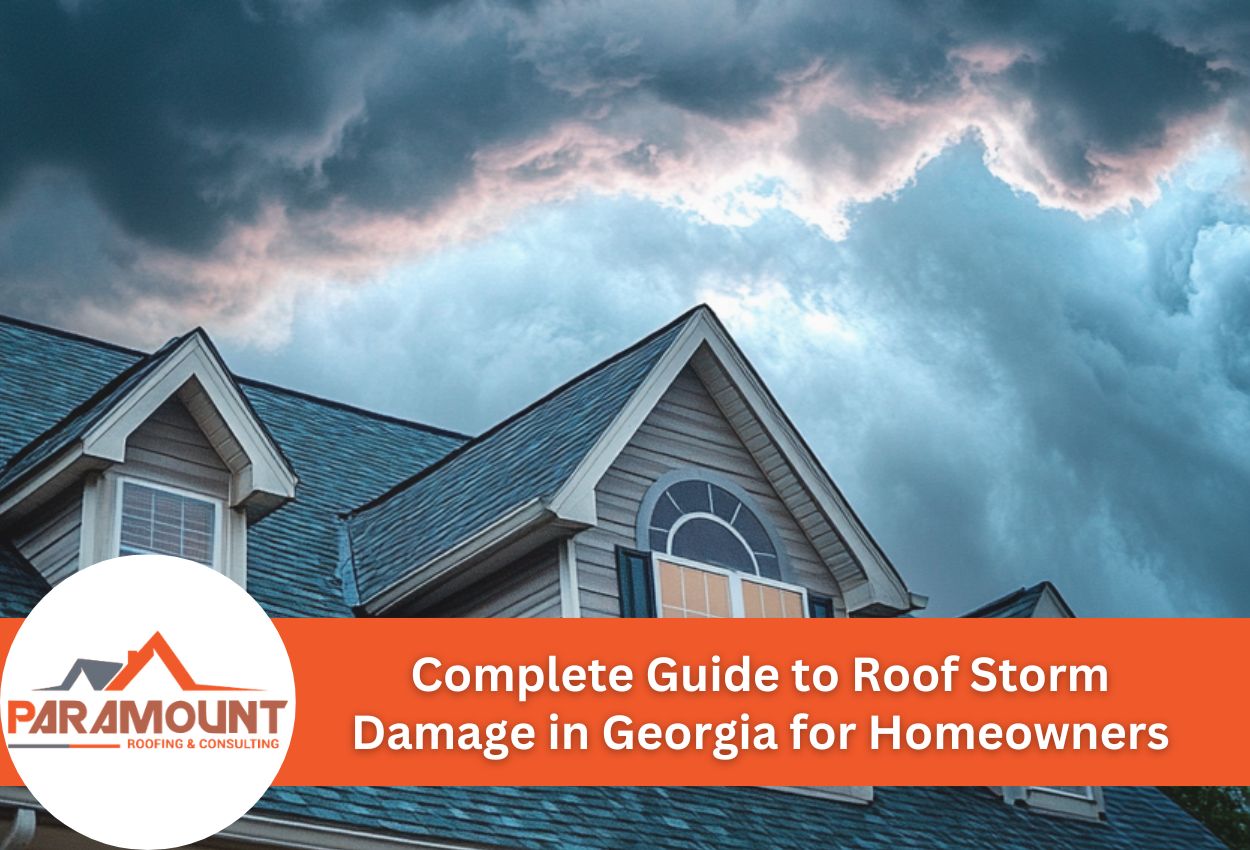
In the Douglasville area and across the greater Atlanta metro, that decision is more time-sensitive than in many other parts of the country. High humidity, intense UV exposure, and frequent severe weather including hail, damaging winds, and heavy thunderstorms wear shingles down faster than in milder climates. What looks like a small problem after one storm can turn into a bigger failure within a single season.
What Are the Signs You Need a New Roof Instead of a Repair?
Replacement is the right call when damage covers more than 30% of the roof surface, when the roof is within 5 years of its expected end of life, or when multiple failure points appear across different sections at once. Here are the specific indicators to look for:
- Granule loss exposing shingle surface: When bare spots or thin areas cover more than 10% of the shingle surface, the shingles have lost the UV protection they need. At that point, repair patches won’t restore the roof’s ability to shed water.
- Missing shingles across multiple sections: Losing shingles in more than 2 separate roof sections signals a pattern of failure, not an isolated problem. Scattered damage like this is a sign the entire system is breaking down.
- Sagging or soft roof decking: Any visible deflection in the roof decking, especially visible from the ground, points to structural damage or long-term leaks. This goes beyond surface repair.
- Flashing failure at gaps: Failed flashing at more than 2 gaps around chimneys, vents, or skylights means water has multiple entry paths and the roofing system is no longer intact.
- Active or recurring interior leaks: Water stains on ceilings or walls that reappear after previous repairs indicate ongoing leaks that a spot fix won’t resolve.
- Roof age approaching end of life: Architectural asphalt shingles in the Atlanta metro typically last 20 to 25 years, but south- and west-facing slopes can reach functional end of life in as few as 15 to 18 years due to UV exposure and thermal cycling. If the roof is within 5 years of either threshold, replacement is the likely recommendation over repair.
- Algae streaking and moss growth: Dark streaks and moss patches on shaded sections of the roof are common in the Douglasville area’s humid conditions. They signal moisture retention and shingle degradation, not just a cosmetic issue.
- Hail impact bruising: Circular granule-loss patterns after a hailstorm are a trigger for an insurance inspection, not a DIY patch. Hail bruising weakens the shingle mat in ways that are not always visible from the ground.
If two or more of these indicators are present at the same time, a full inspection by a qualified contractor is the next step before deciding between repair and replacement.
How Do You Tell If Roof Damage Requires Full Replacement or Just Repairs?
Answer these 6 yes/no questions before calling a contractor. The number of “yes” answers points directly to whether repair or replacement makes more sense for your situation.
- Is the roof older than 20 years? Architectural asphalt shingles in the Atlanta metro typically last 20 to 25 years, with south- and west-facing slopes sometimes reaching end of life in 15 to 18 years. Age alone shifts the math toward replacement.
- Does damage cover more than 30% of the total roof surface? Damage beyond that 30% threshold generally makes full replacement more cost-effective than patching multiple large sections.
- Are there multiple leak points or recurring leaks after prior repairs? If water keeps coming back after a previous fix, the repair didn’t solve the underlying failure and one more patch won’t either. This and the next question directly answer how many repairs before replacing a roof: two or more recurring failures is the line.
- Is there roof decking rot or structural sagging? Soft spots or visible deflection in the roof decking mean moisture has reached the structure itself. Surface repairs cannot fix this.
- Have shingles been replaced or patched more than twice in the last 10 years? Multiple patch cycles on the same roof signal a systemic problem, not isolated damage.
- Is the roof approaching or past manufacturer warranty expiration? Once the warranty window closes, any new repair work carries no manufacturer backing and future claims become harder to support.
Score 1 to 2 “yes” answers: repair is likely viable. Score 3 to 4: get a replacement quote alongside the repair estimate before deciding. Score 5 to 6: replacement is strongly recommended.
One more factor matters in the Atlanta area specifically. Most jurisdictions in the metro require a permit for full reroofing, and permitted work must meet current IRC code standards. That can trigger required upgrades to underlayment and ventilation costs that can narrow the gap between repair and replacement enough to tip the decision toward a new roof.
What Does Roof Repair vs. Replacement Cost in the Atlanta Area?
A full residential roof replacement runs $8,000 to $20,000+ for most Atlanta-area homes, while minor repairs start as low as $150 but cost per year of service life often makes replacement the stronger financial decision once damage crosses the 30% threshold.
| Job Scale | Typical Atlanta-Area Cost Range | Average Lifespan Gained | Warranty Coverage Typical Range |
|---|---|---|---|
| Minor repair (1 to 3 shingles, flashing patch) | $150 to $400 | 2 to 5 years | No warranty extension |
| Moderate repair (storm damage, partial section, up to 10 squares) | $800 to $2,500 | 3 to 7 years | Limited material warranty only |
| Major repair (30%+ damage, multiple gaps) | $2,500 to $5,000+ | 5 to 10 years | Varies by contractor and material |
| Full replacement standard 3-tab or architectural shingle | $8,000 to $14,000 (average suburban home) | 20 to 25 years | Manufacturer system warranty 25 to 50 years |
| Full replacement premium architectural or impact-resistant shingle | $13,000 to $20,000+ | 25 to 30 years | Class 4 rating may qualify for Georgia homeowners insurance discount |
A $2,000 repair that extends roof life by 4 years costs $500 per year of service life. A $12,000 replacement lasting 25 years costs $480 per year, making replacement the stronger long-term value once damage reaches or approaches the tipping point. Homeowners spending $2,500 or more on repairs should always get a full replacement quote before committing, because the per-year cost difference shrinks fast at that spending level. Premium impact-resistant shingles also carry the added benefit of potential insurance savings, which can offset a portion of the higher upfront cost over time.
When Is It Cheaper to Replace a Roof Than Repair It?
When cumulative repair costs over a rolling 5-year period reach or exceed 30% of a full replacement quote, replacement is almost always the more cost-effective choice. Treat that as a hard decision rule, not a rough guideline. For most Atlanta-area homes, a full replacement runs $8,000 to $14,000 for a standard architectural shingle roof. That means if you’ve spent or are about to spend $2,400 or more on repairs over 5 years, the math almost always favors a new roof.
| Scenario | Roof Age | Repair Estimate | Remaining Life | Cost Per Year of Life |
|---|---|---|---|---|
| Scenario A Repair makes sense | 10 years old | $900 | 15 years | $60 per year |
| Scenario B Repair is a poor investment | 21 years old | $2,200 | 3 to 5 years | $440 to $733 per year |
Scenario B is a poor repair investment. Spending $2,200 on a roof with only 3 to 5 years left costs up to $733 per year of service life more than replacing the entire roof at $480 per year. If a roof is within 5 years of its end of life and the repair estimate tops $2,000, get a full replacement quote before signing any repair contract.
Georgia homeowners should also check for documented storm or hail damage before declining a replacement recommendation. When damage qualifies for an insurance claim, most policies in this region cover replacement minus the deductible, typically $1,000 to $2,500, making a full replacement far more affordable than paying entirely out of pocket. Request a complete damage assessment from your contractor before making any final decision. Paramount Roofing & Consulting provides those assessments for homeowners across the greater Atlanta area.
How Does Atlanta’s Climate Affect How Long Your Roof Repair or Replacement Will Last?
Architectural asphalt shingles rated for 30 years by the manufacturer realistically deliver only 20 to 23 years in the Atlanta metro, not because of product failure, but because of what the local climate does to roofing materials year after year. Summer highs in the low 90s and winter lows in the upper 20s put shingles through repeated expansion and contraction cycles. Add 50 to 55 inches of annual rainfall and strong UV exposure, and the cumulative stress shortens shingle life noticeably compared to the 25 to 28 years a similar product might last in a milder, drier climate.
Material Choice Affects How Long Repairs Hold Up
Class 4 impact-resistant shingles are worth considering in this region. The Atlanta metro sees documented hailstorms each spring and fall, and standard shingles absorb that punishment without the reinforced mat that Class 4-rated products offer. Algae-resistant asphalt shingles with zinc or copper granules are a practical choice for the shaded suburban lots common in Douglasville and west Atlanta, where moisture and low sunlight accelerate surface staining and shingle breakdown.
Why Material Compatibility Matters Before Any Repair
A repair using lower-grade or non-matching shingles on an otherwise healthy roof can void manufacturer warranty coverage and create mismatched performance zones. One section of the roof may fail years before the rest because it was patched with material rated for different conditions. Before approving any repair, confirm that the replacement shingles match the existing product line and that the repair work does not cancel remaining warranty coverage.
Ready to Stop Guessing? Get a Professional Roof Assessment in Douglasville and Greater Atlanta
A professional roof inspection that takes 45 to 60 minutes and produces a written scale of damage can save thousands of dollars whether you use it to compare contractor quotes or support a homeowner’s insurance claim.
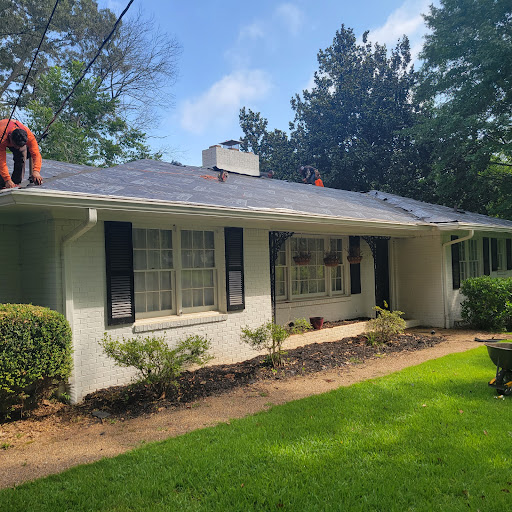
Paramount Roofing & Consulting serves Douglasville and the surrounding area, including Cobb, Cherokee, Fulton, Gwinnett, Carroll, and Coweta counties. One call or contact form submission connects you with a written damage assessment you can actually use, not a verbal opinion.
Schedule your free roof inspection
Not ready. to schedule? Learn more about hail damage roof repair.